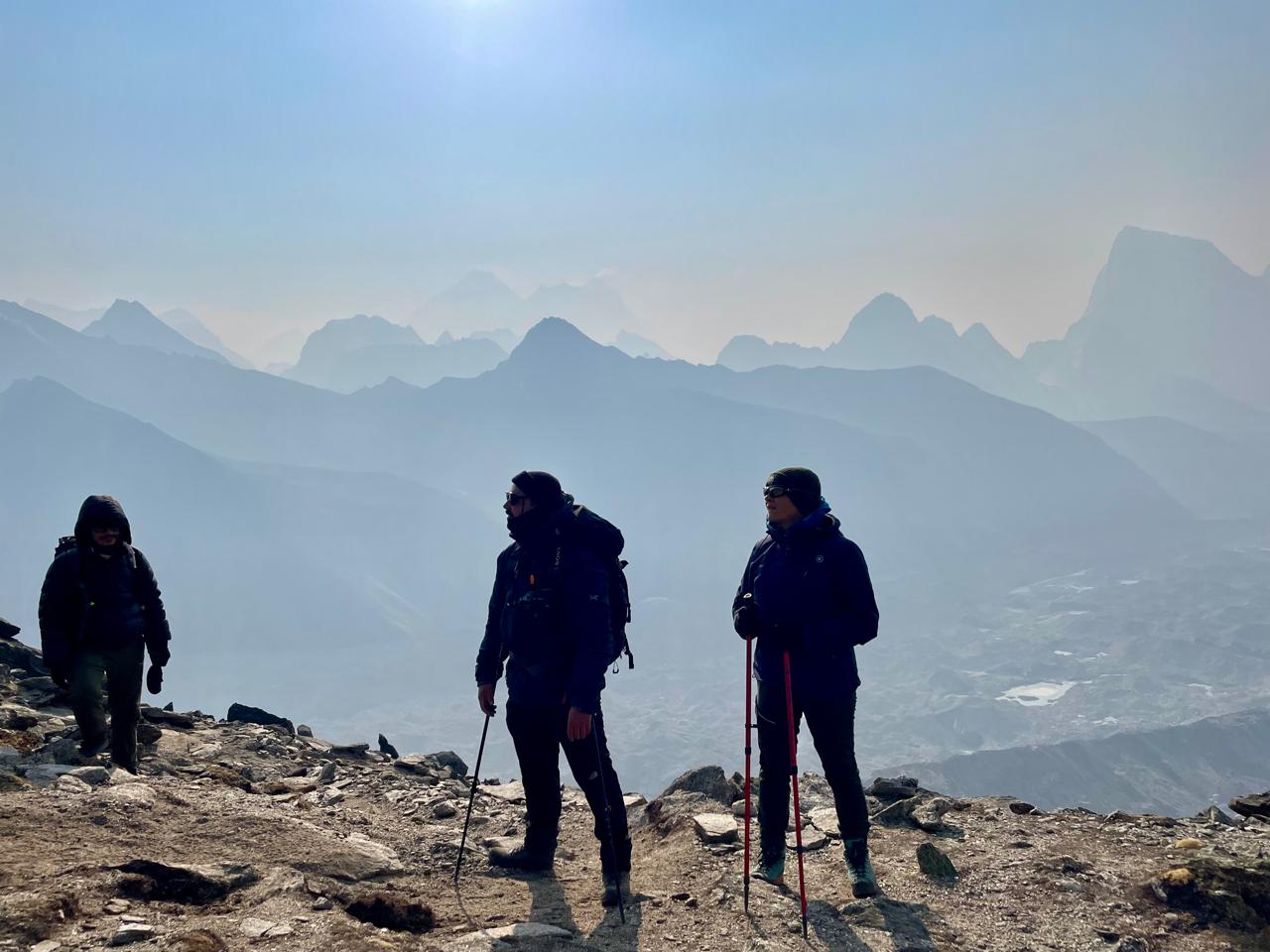
How to prepare for Manaslu Circuit Trek: Complete guide by Local Expert

The Manaslu Circuit Trek is one of the best rewarding off-the-beaten-path trek in Nepal. Rounding the Mt. Manaslu (8,163m), the eighth highest mountain of the world. This trek offers raw Himalayan landscapes, authentic Tibetan influenced village, high mountain passes and less crowd than Everest Base camp Trek or Annapurna Circuit Trek.

However, Manaslu Circuit is also remote, physically demanding, and restricted area. So, proper acclimatization during the trek and proper preparation is needed. Based on our 10+ years of guiding trekker in this region, this guide covers everything you need to do for Manaslu Circuit Trek, from fitness and permit to packing and altitude safety.

  1. Understand the difficulty of Manaslu Circuit Trek

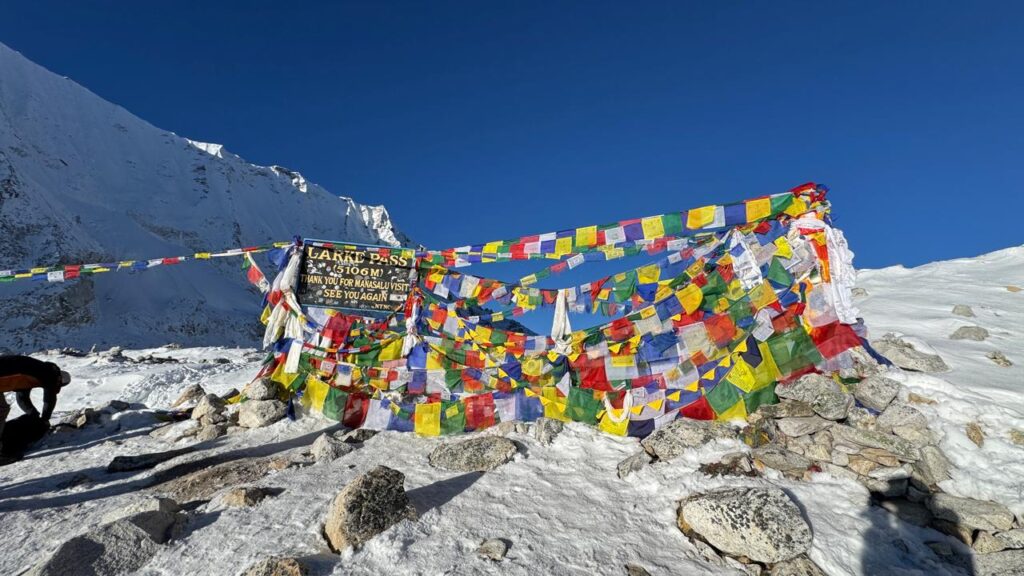
Before preparation begins, it is really important to know what you are signing up for. The maximum duration for this trek is 16 days. The maximum altitude of this trek is Larke pass (5,106m). The trail condition of this trek is remote, rugged, and landslide prone sections. The facilities can be basic teahouse, limited electricity and limited internet during this trek. The daily walking distance will be 5-8 hours daily.

This trek is Moderate trek, suitable for trekker with good fitness and previous high-altitude trekking experience.

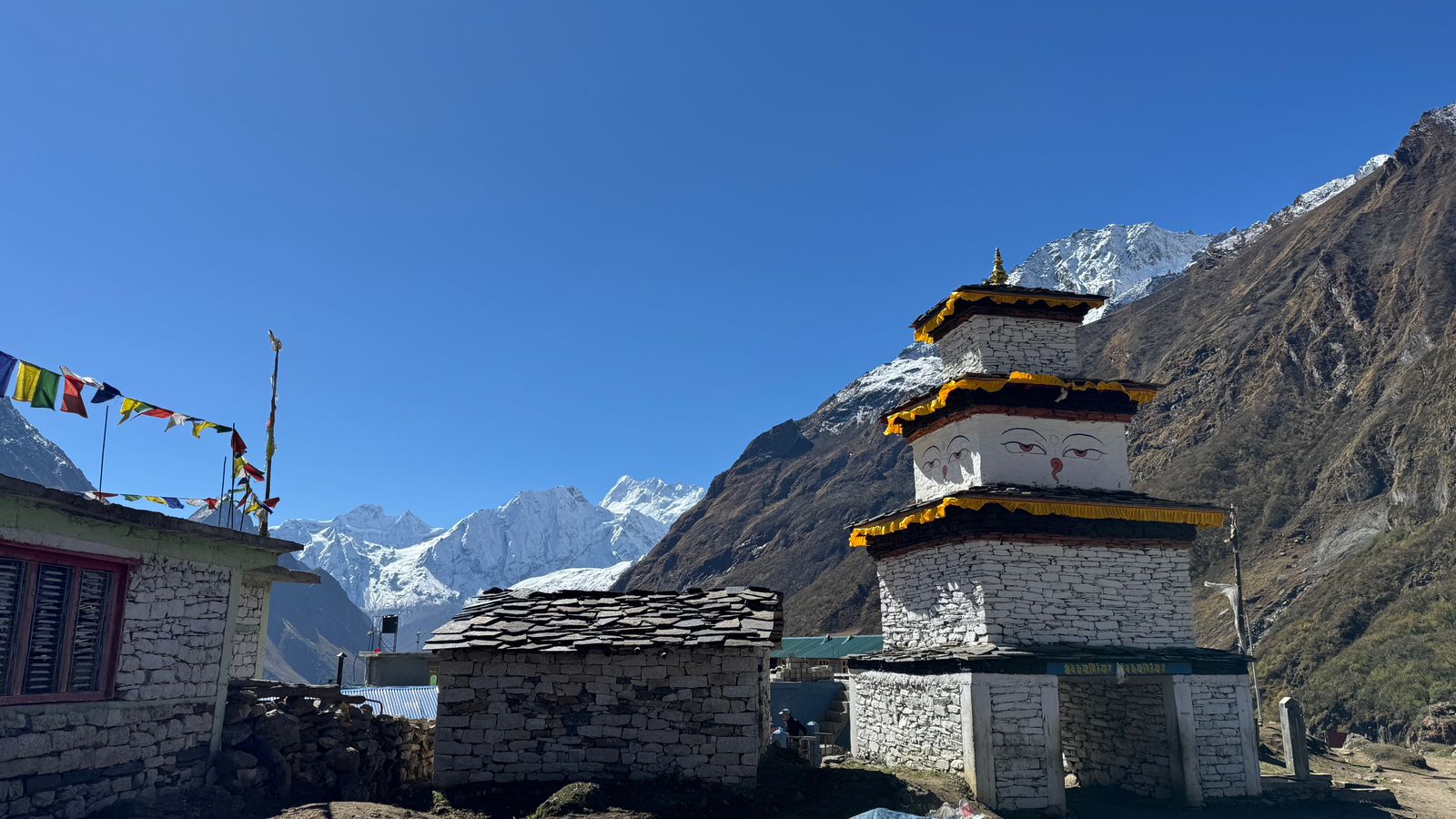
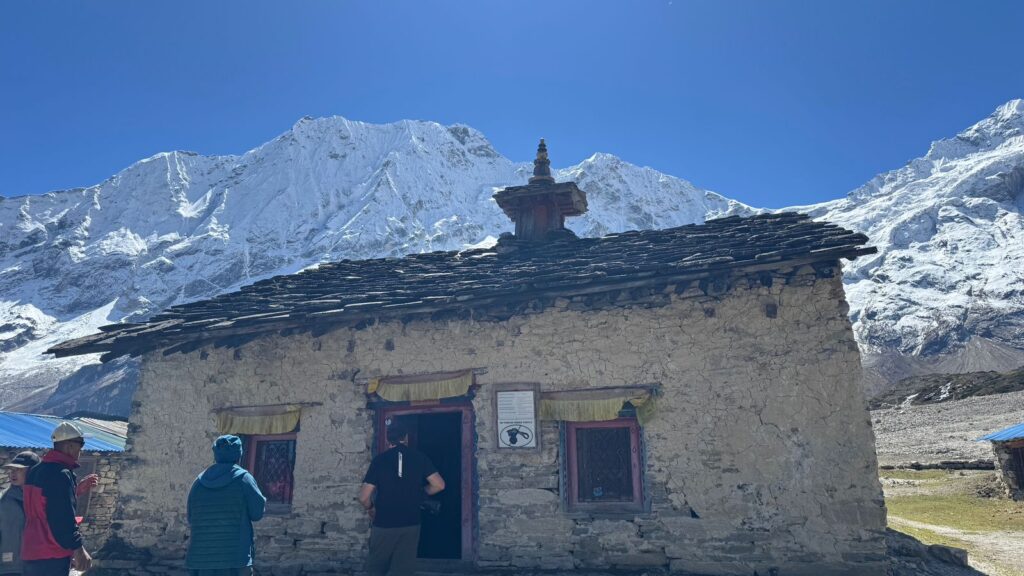
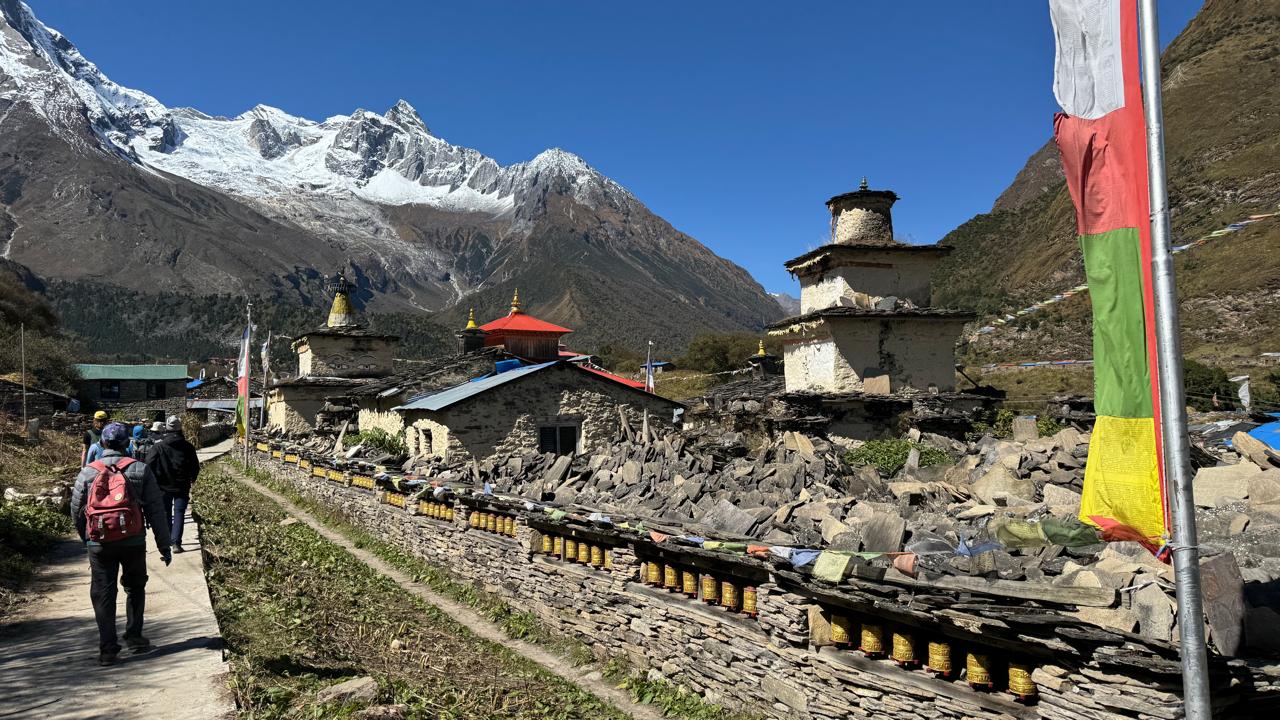
monastry on samdo
monastry on samdo
  • Best Time to Trek Manaslu Circuit

The best time to trek to Manaslu Circuit Trek Autumn that starts from September to the start of December. During this time trekker can see crystal clear view of mountain, clear weather, and best mountain views.

Another best time to trek is Spring which starts from March to the end of May. During this time trekkers can enjoy the views of blooming rhododendron, experience mild temperature, and some snows at the pass.

  • Physical Fitness

For the Manaslu Circuit Trek, you don’t need to be an athlete to complete this trek, but you need good physical fitness. There are various training recommended to do before 5-6 weeks the trekking. Training like: cardio (Hiking, stairs climbing, cycling, jogging), strength (squats, lunges), Practice hiking while carrying 6-10 kg of backpack.

If you can comfortably walk around 6-7 hours a day for several day, you are physically fit for this trek.

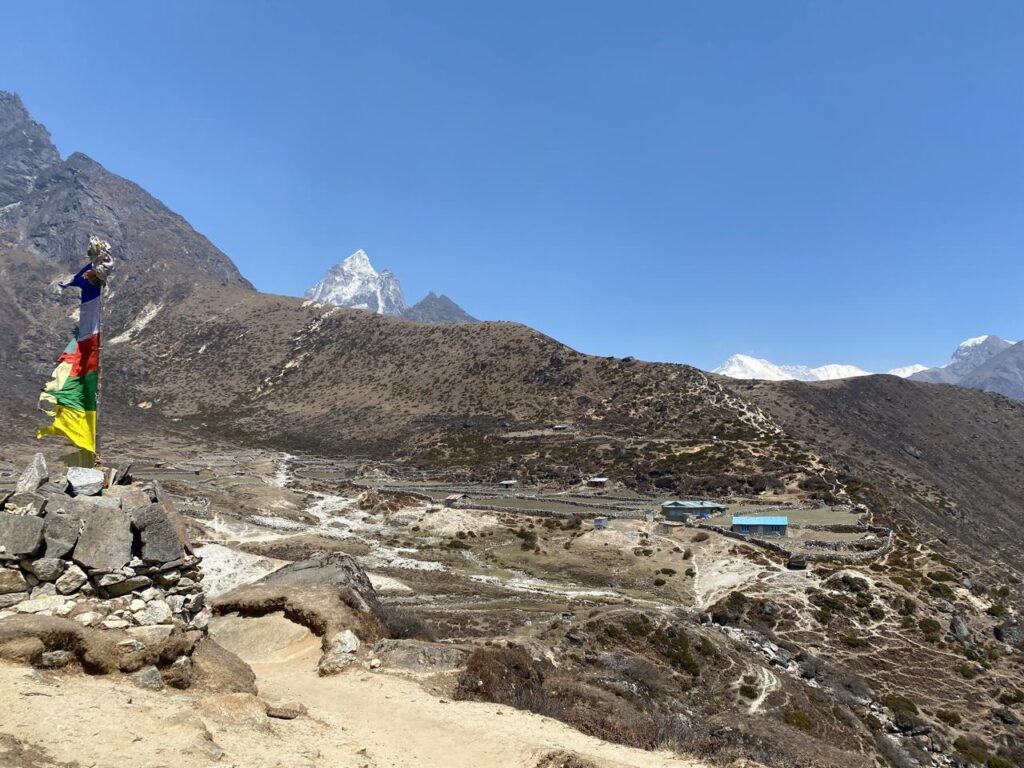
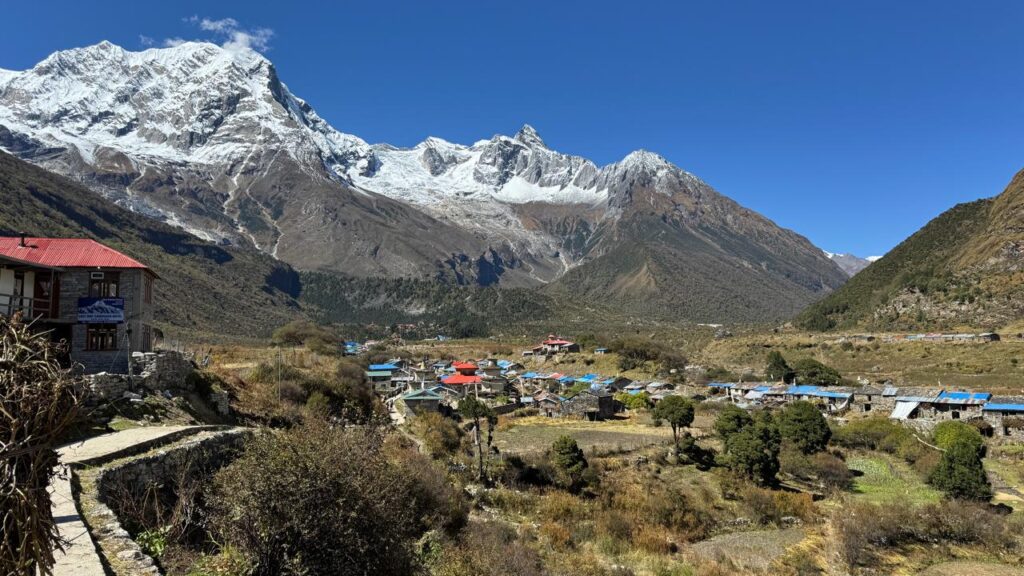
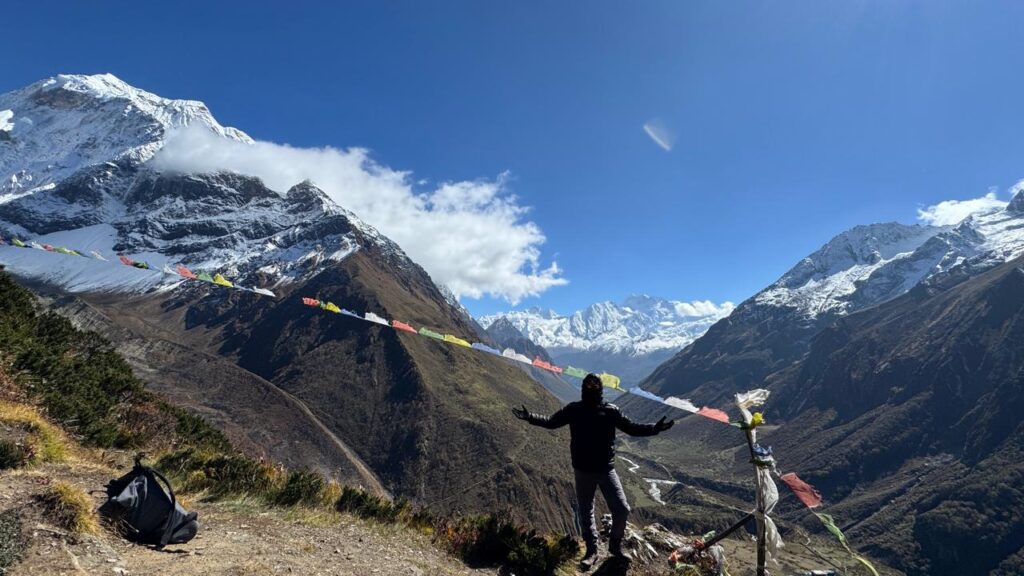
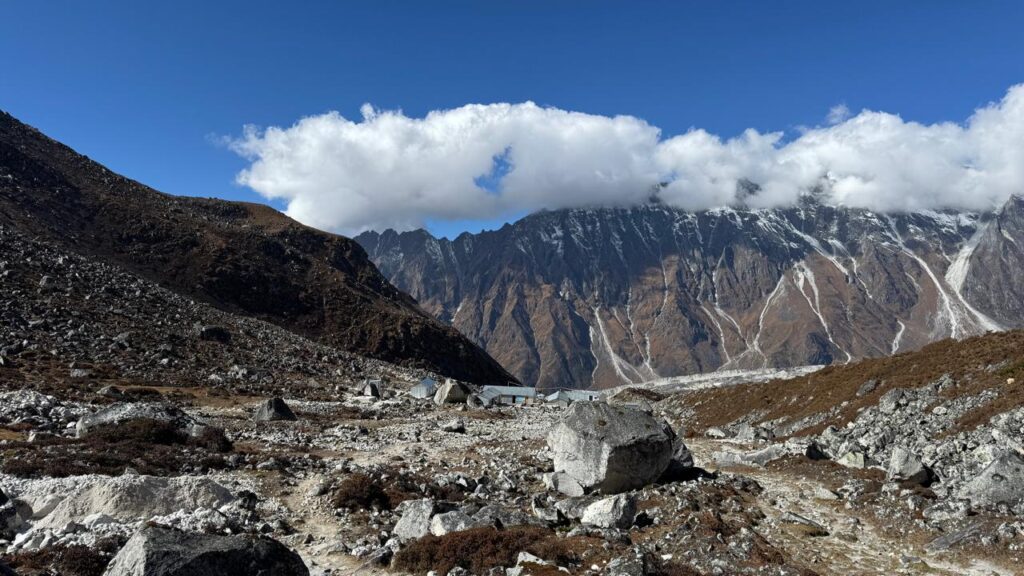
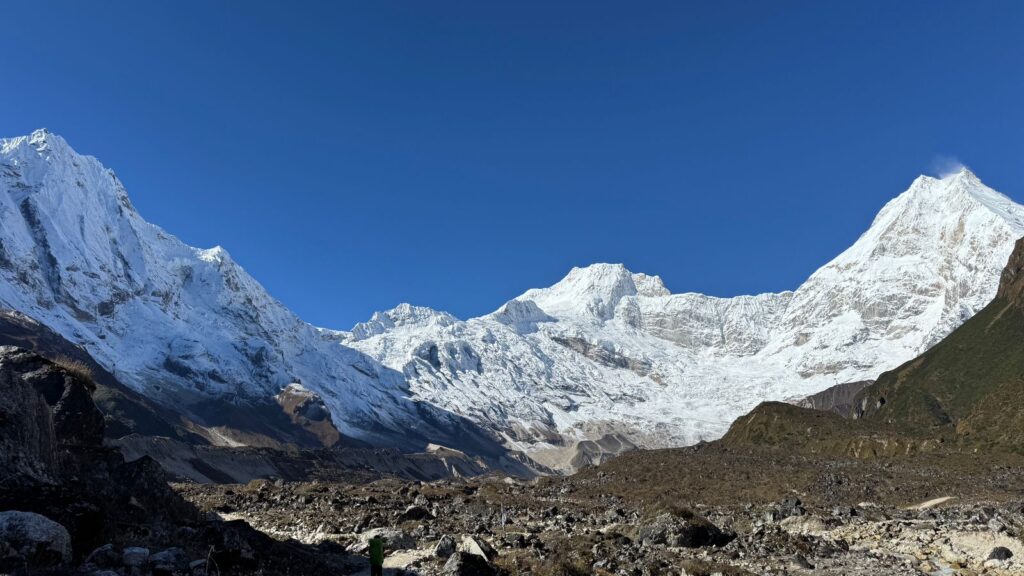
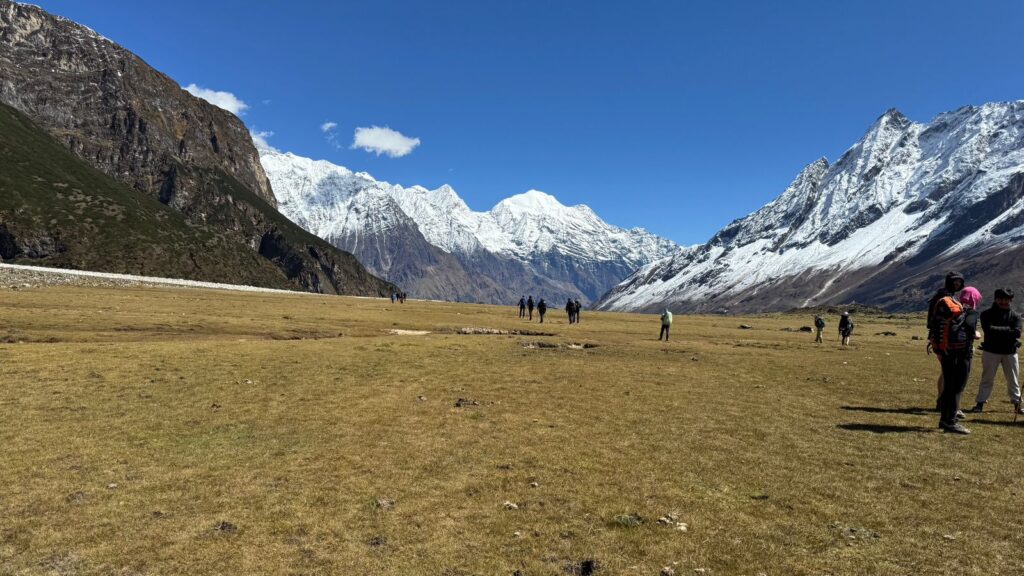
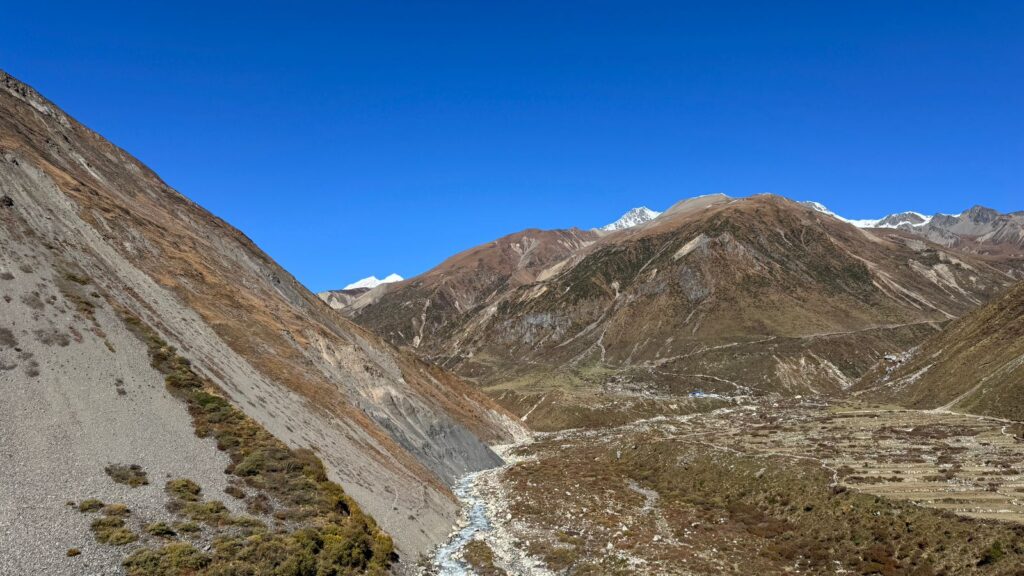
lansdcape view from samdo
  • Permits Required for Manaslu Circuit Trek

Manaslu region is a restricted area, so restricted permits are compulsory while trekking to this region and must arranged through a licenses trekking company from Nepal. There are three permits required to do this trek.

  • Manaslu Restricted Area Permit (MRAP/RAP)
  • Manaslu Conservation Area Permit (MCAP)
  • Annapurna Conservation Area Permit (ACAP)

Note: If you are planning to do this trek solo without guide, it is not allowed in this region as it is restricted area. And minimum 2 people with a licensed trekking guide is compulsory while doing this trek.

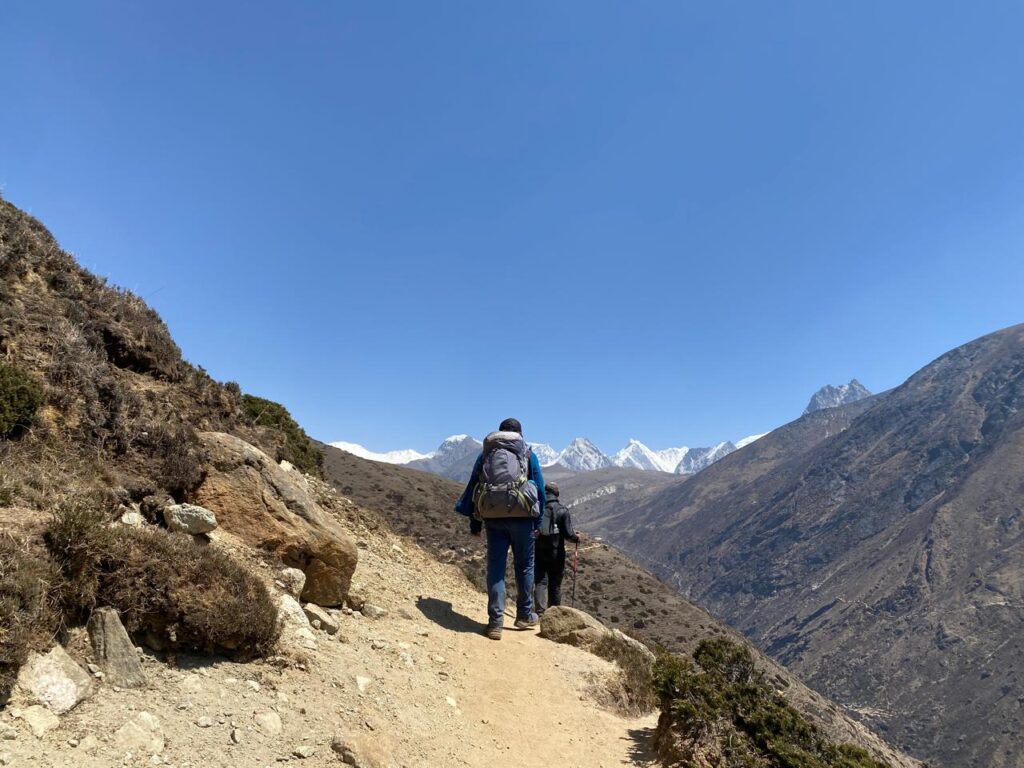
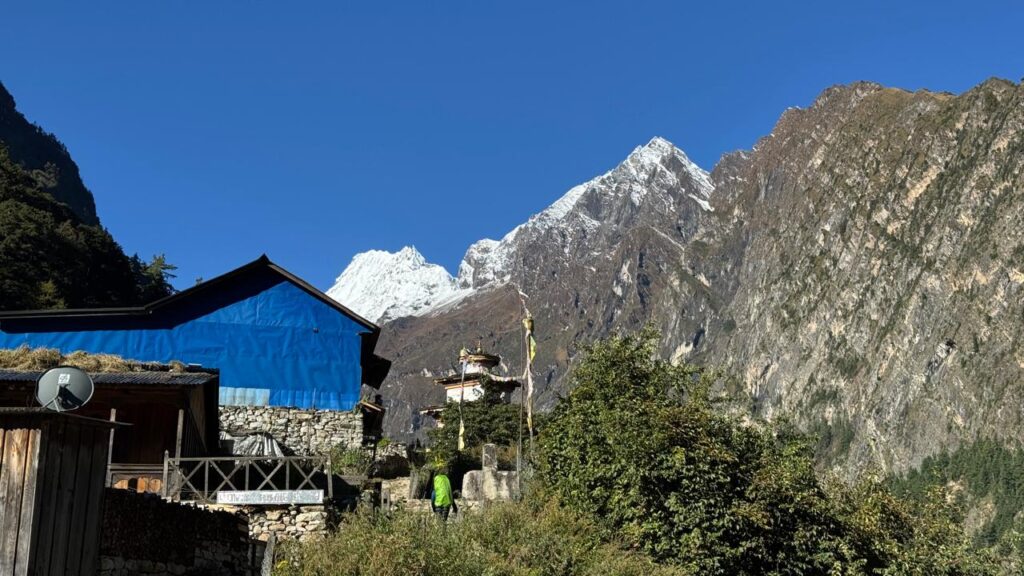
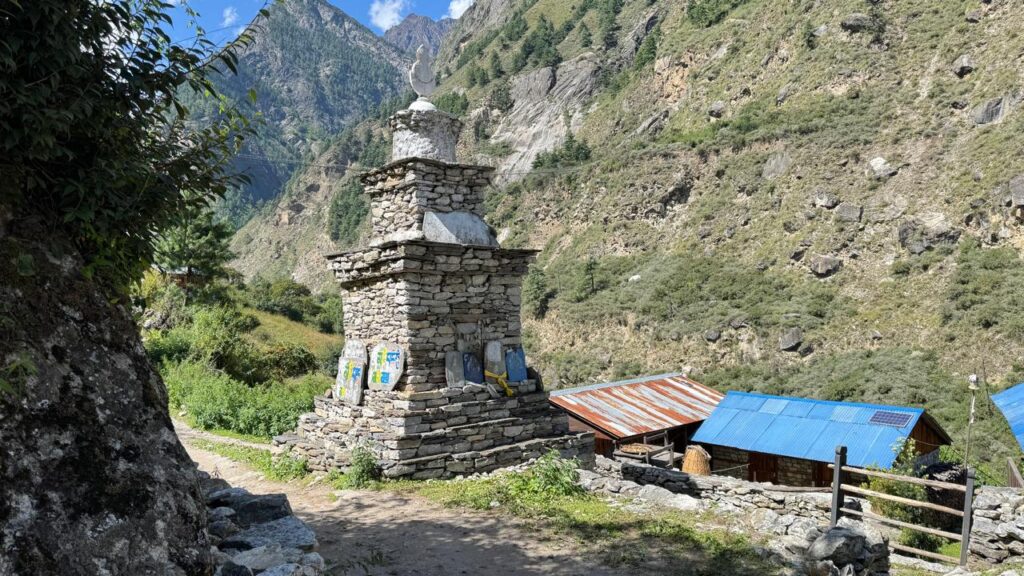
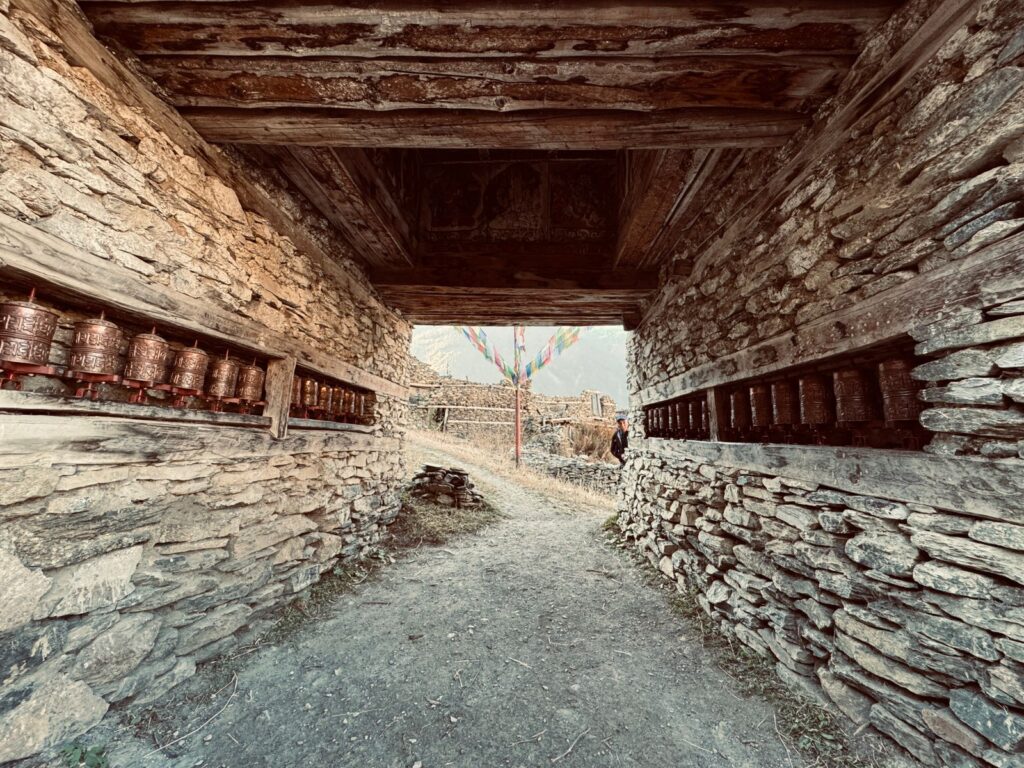
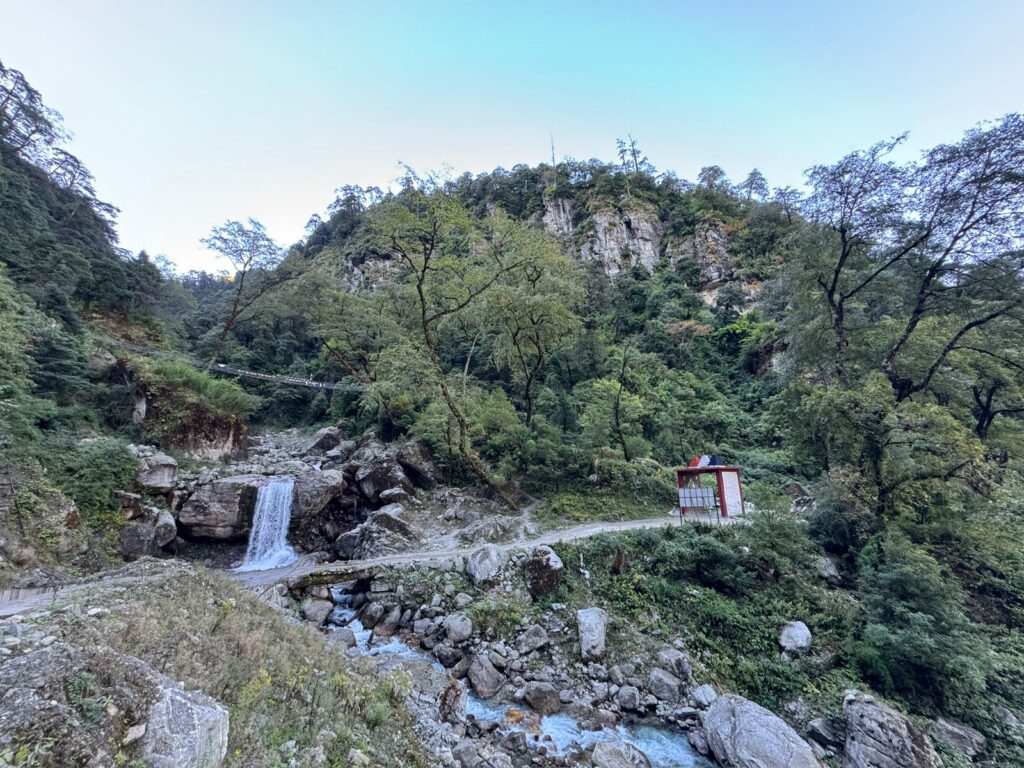
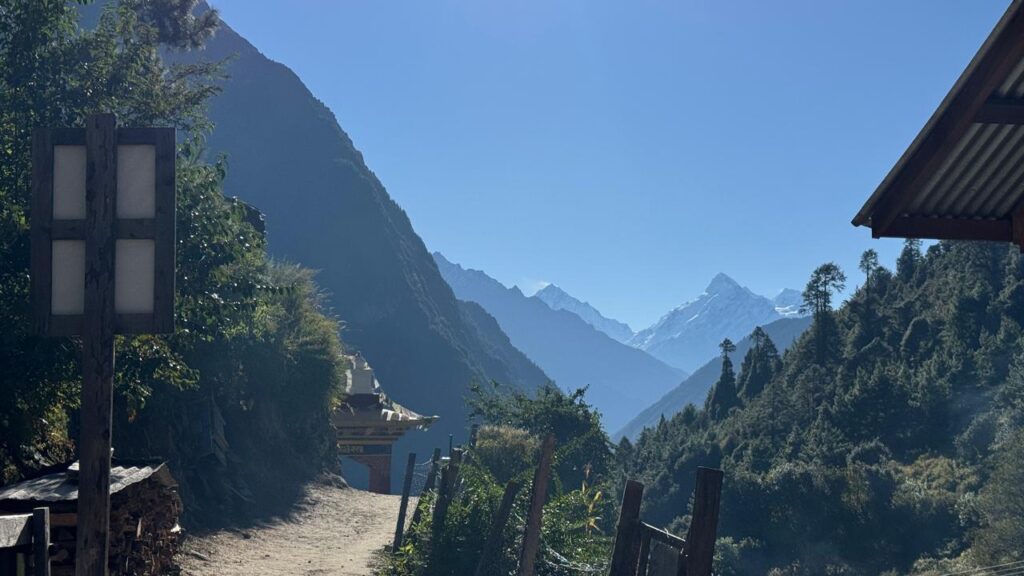
On the way to Pungen gompa
  • Choosing the right guide and agency

Because of its remoteness, Manaslu Circuit is not a trek to do without expert and support. A professional guide ensures proper acclimatization, safe crossing of Larke La pass, communication with locals, emergency handling. While choosing a right agency, you can get experienced local guide, knows seasonal trail well, can get best itinerary according to your physical condition.

Local expertise makes an huge difference in this trek. Choosing an agency like Access The Asia Treks with over 10+ years of experience makes a huge difference in your trekking journey in Nepal.

  • Acclimatization and Altitude sickness Prevention

Altitude sickness is one of the main problem while doing Manaslu Circuit Trek. This causes biggest risk of not completing the trek. Some of the key acclimatization key are;

  • Follow a slow itinerary
  • Gain altitude gradually
  • Drink 3-4 liters of water daily
  • Avoid alcohol and smoking
  • Listen to your body

There are various symptoms that can be seen if you have an altitude sickness. Some of the warning symptoms are as follow:

  • Headache
  • Nausea
  • Dizziness
  • Loss of appetite

If you want to complete this trek without having headache of altitude sickness, you can trek with guide who understands altitude management.

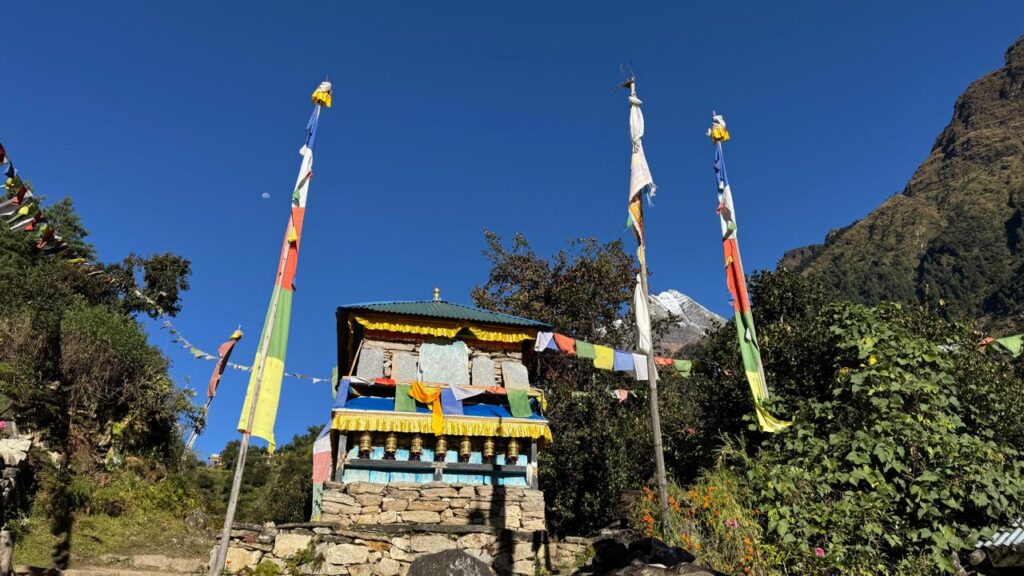
Pungen gompa
Pungen gompa
  • Packing List for Manaslu Circuit Trek

While trekking to this region, packing is one of the important things to do as it is restricted and remote area. Packing correctly keeps you comfortable and safe during the trek. Some of the essential things that you can pack are here;

Essential Clothing

  • Down jacket (-10 to -15 degree Celsius)
  • Thermal base layer
  • Fleece or insulated mid-layer
  • Waterproof jacket and pants
  • Trekking pants and shirts

Footwear

  • Comfortable trekking shoes
  • Trekking shocks
  • Lightweight sandals (for teahouses)

Gears

  • Sleeping bag (-10 degree Celsius)
  • Trekking poles
  • Headlamps
  • Sunglass and sunscreen
  • Water bottle

Medical and Personal

  • Personal medication
  • Diamox (for high altitude)
  • First aid kit
  • Power bank

If you use this tips, it can be really helpful during the trek.

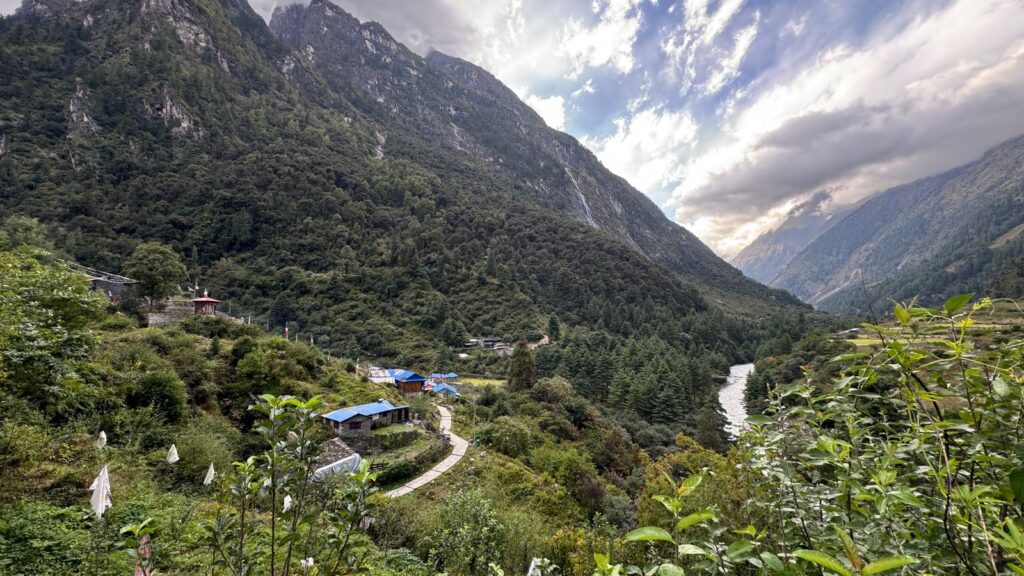
On the way to samdo from Samagaun
  • Food and Accommodation on Trail

The accommodation on Manaslu Circuit Trek is basic but the quality of food is really great. During this trek, you can get basic teahouse, shared rooms, and limited heating at high altitude. You can get good quality food in this trek like Dal Bhat (local dish and best energy source), Noodles, soup, and limited menu at higher villages.

Always focus on eating local food items during the trek, so that it will be easy source of energy and better digestion.

  • Travel Insurance (Don’t Skip This)

The travel insurance is mandatory while trekking in Nepal. This is really important thing to do before doing any treks in Nepal as trekking in Nepal is normally at higher altitude. Your travel insurance must cover High altitude trekking (up to 5,200m), Helicopter evacuation, medical emergencies.

Without proper insurance evacuation by Helicopter costs expensive.

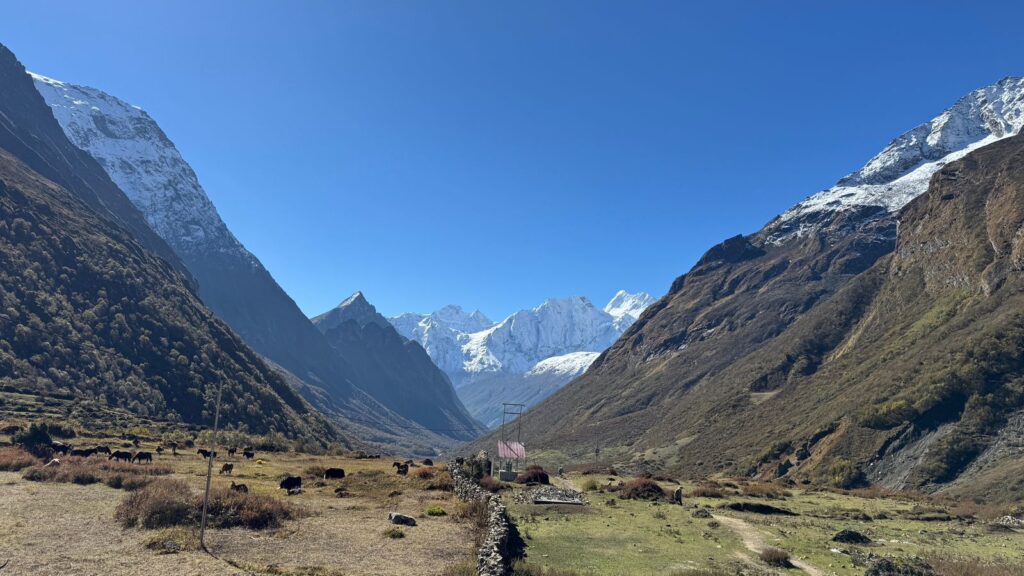
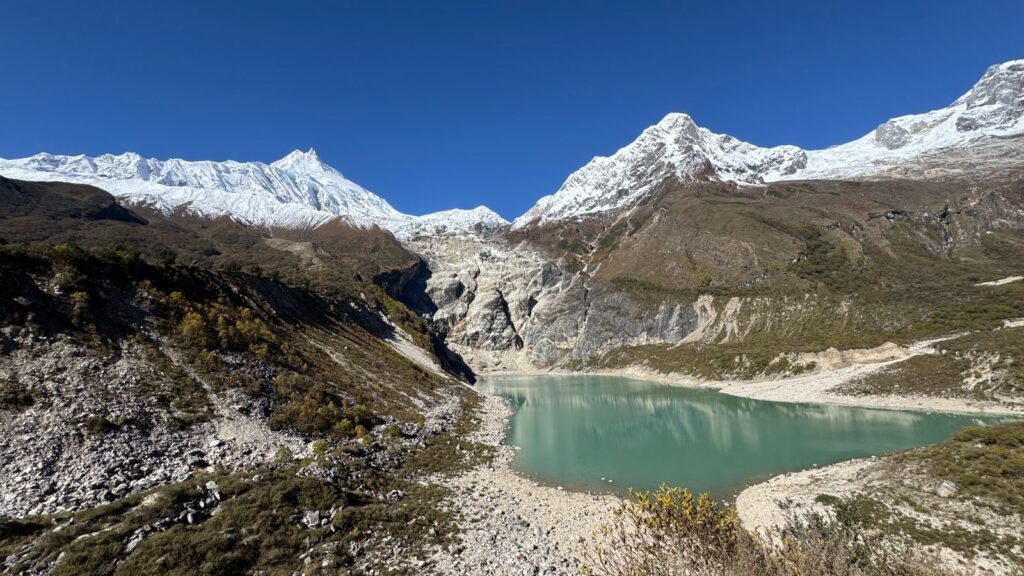
the way to tibet boarder and dharmasala
  1. Mental Preparation and Trekking Mindset

Manaslu Circuit is not about luxury trekking, it’s about Himalayan Adventure. Be prepared for simple living, limited comfort, weather change, and long walking day.
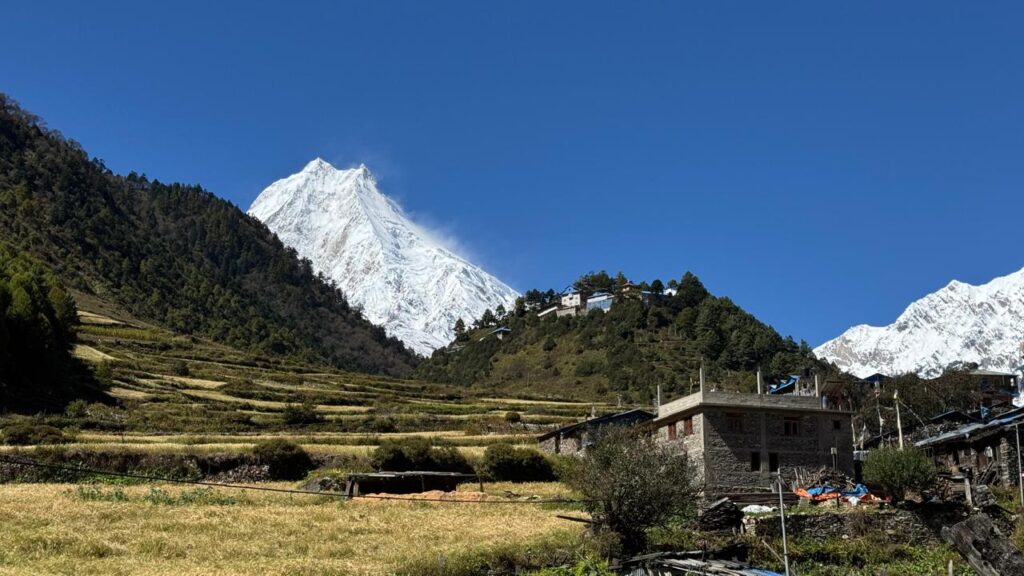
If you can adjust on this you get untouched villages, massive glaciers, Buddhist culture, and Nepal’s one of the spectacular high pass.

Final Conclusion: Why Preparation Matters

The Manaslu Circuit Trek is wild, beautiful, and deeply rewarding, but only if you prepare well. With proper preparation, this trek can become a once in a lifetime journey.  

Manaslu Circuit Trek: The Complete guide 2026/2027

Manaslu Circuit Trek is one of the Nepal’s spectacular and untouched trekking route. Trekker those who are seeking to get the experience of raw Himalayan wilderness, authentic culture, and also challenging but rewarding trek, this trek is perfect. Comparing to Everest and Annapurna circuit, Manaslu remains quite and unspoiled, offering a true sense of exploration.

With over 10 years of guiding trekker, we can say that Manaslu circuit trek is one of the best off the beaten path trek in Nepal.

Here’s everything you need to know before planning Manaslu Circuit trek.

Why Choose Manaslu Circuit Trek?

View from samagaun of mountains

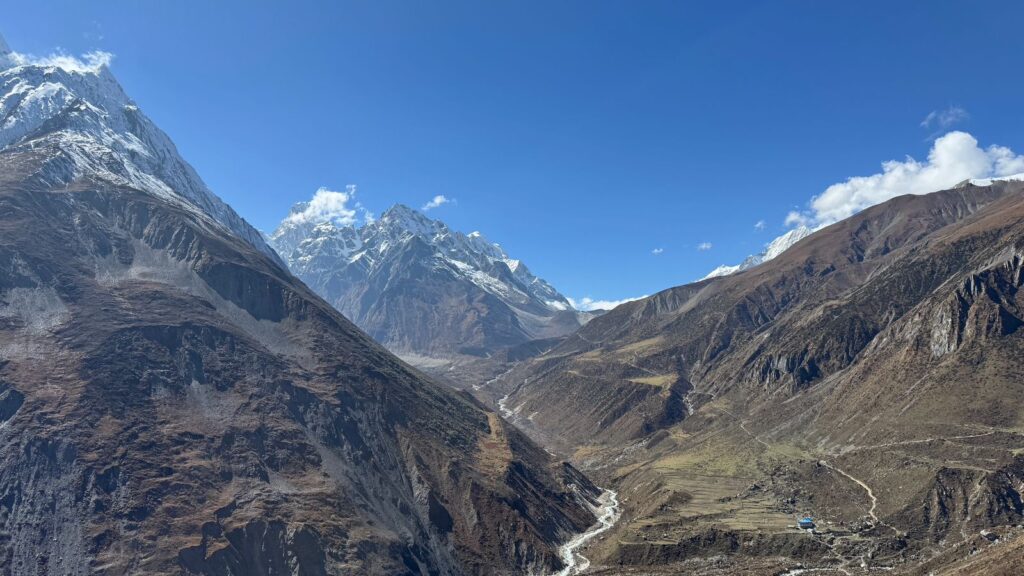
Manaslu Circuit Trek is one of the best off-the-beaten-path trek in Nepal. Here every traveler can experience an authentic blend of Tibetan and Nepalese culture. While trekking to Manaslu region, we can experience diverse landscape from tropical forest to high alpine terrain. We can have really closer view of Mt. Manaslu (8,163m) eight highest mountain in the world from Samagaun. This trek is perfect for those who are seeking to get peace and raw beauty of nature. Manaslu Circuit trek is challenging but very rewarding trek.

Quick facts about Manaslu Circuit Trek

View from Lho village

The maximum altitude for this trek is Larkya La pass which is 5,106m. The trek duration for this trek will be of 16 days. The trek difficulty for this trek will be moderate to challenging. The accommodation will be at local tea houses on the way. This is restricted region so trekker need Restricted Area Permit (ACAP and MCAP) for this trek. The best season for this trek is Autumn which is from September to November and Spring which is from March to May.  
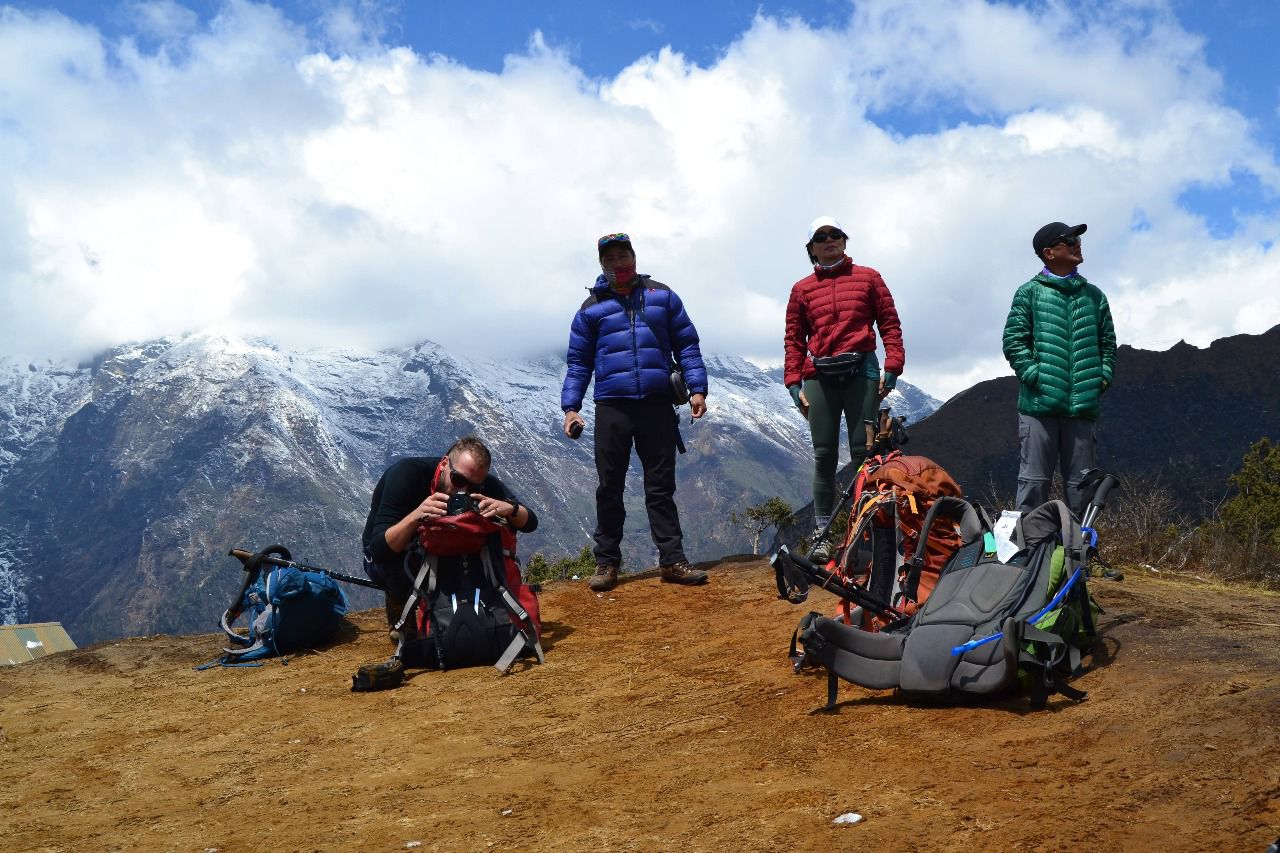
The trek usually start from Machha Khola.
16 Days itinerary for Manaslu Circuit Trek

Day 1: Arrival in Kathmandu

Day 2: Sightseeing in Kathmandu valley

Day 3: Drive from Kathmandu to Machha Khola

Day 4: Trek from Maccha Khola to Jagat

Day 5: Trek from Jagat to Deng

Day 6: Trek from Deng to Namrung

Day 7: Trek from Namrung to Shyala

Day 8: Trek from Shyala to Samagaun

Day 9: Acclimatization day at Samagaun

Day 10: Trek from Samagaun to Samdo

Day 11: Rest day at Samdo

Day 12: Trek from Samdo to Dharmasala

Day 13: Trek from Dharmasala to Bhimthang via Larkya La pass (5,106m)

Day 14: Trek from Bhimthang to Dharapani

Day 15: Drive from Dharapani to Kathmandu

Day 16: Departure

How difficult is Manaslu Circuit Trek?

Samagaun village
Samagaun village

Manaslu Circuit Trek is Moderately challenging mostly because of long walking days, high altitude, and lastly challenging Larkya La Pass.

Those who are good in fitness and with proper acclimatization can easily complete this trek without any difficulty. This trek is perfect for those who have hiking experience previous.

Accommodation and food during Manaslu Circuit Trek

on the way to samagaun
on the way to Samagaun

The Manaslu region offers basic but comfortable tea houses. For the accommodation we can get clean room, warm dinning hall, and blanket (but bring sleeping bag with you). For the food we can get Dal Bhat (fresh, unlimited refill), noodles, pasta, and various items.

The food quality of this trekking region is really good even at higher altitude.

Permits required for Manaslu Circuit Trek

There are three permits required for Manaslu Circuit Trek.

  • Manaslu Restricted Area Permit (RAP)
  • Manaslu Conservation Area Permit (MCAP)
  • Annapurna Conservation Area Permit (ACAP)

The permit prices change depending on which season you are travelling and also sometimes because of government rules.

Note: Government registered guide is compulsory while doing Manaslu circuit trek.

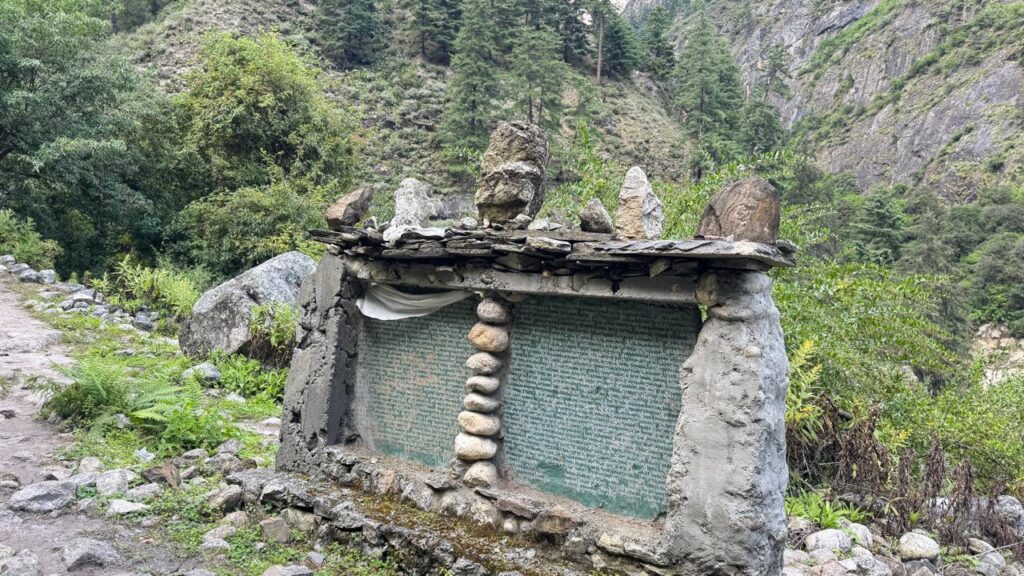
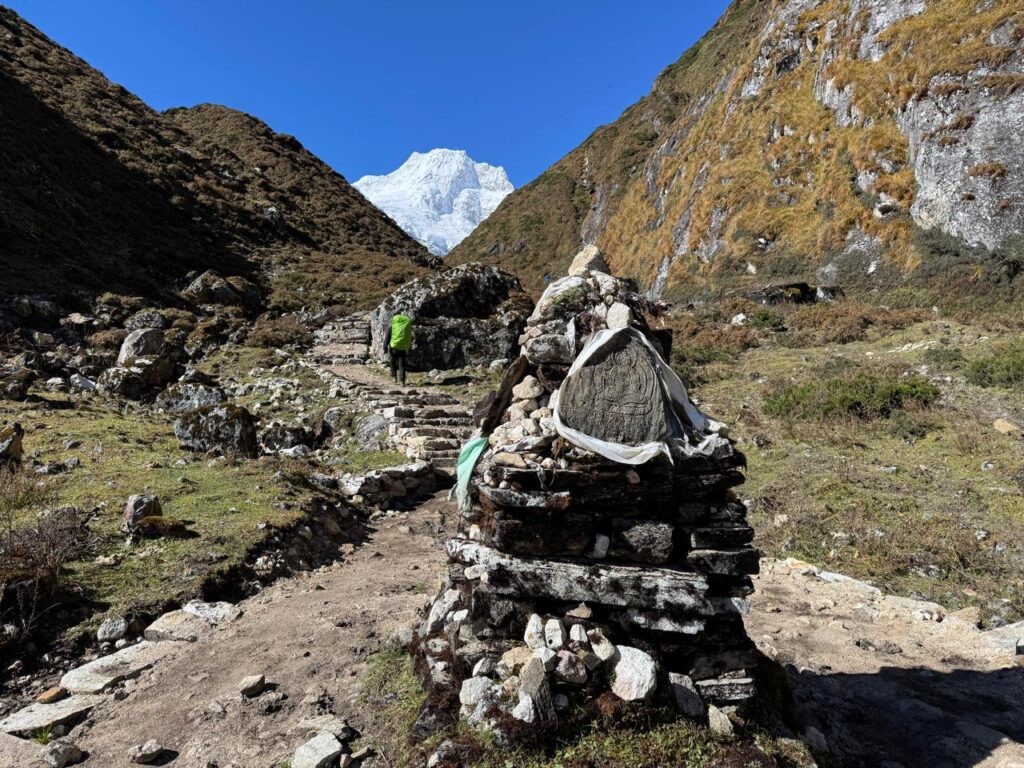
Stone mani on the way to Pungen Gompa

Highlights of Manaslu Circuit Trek

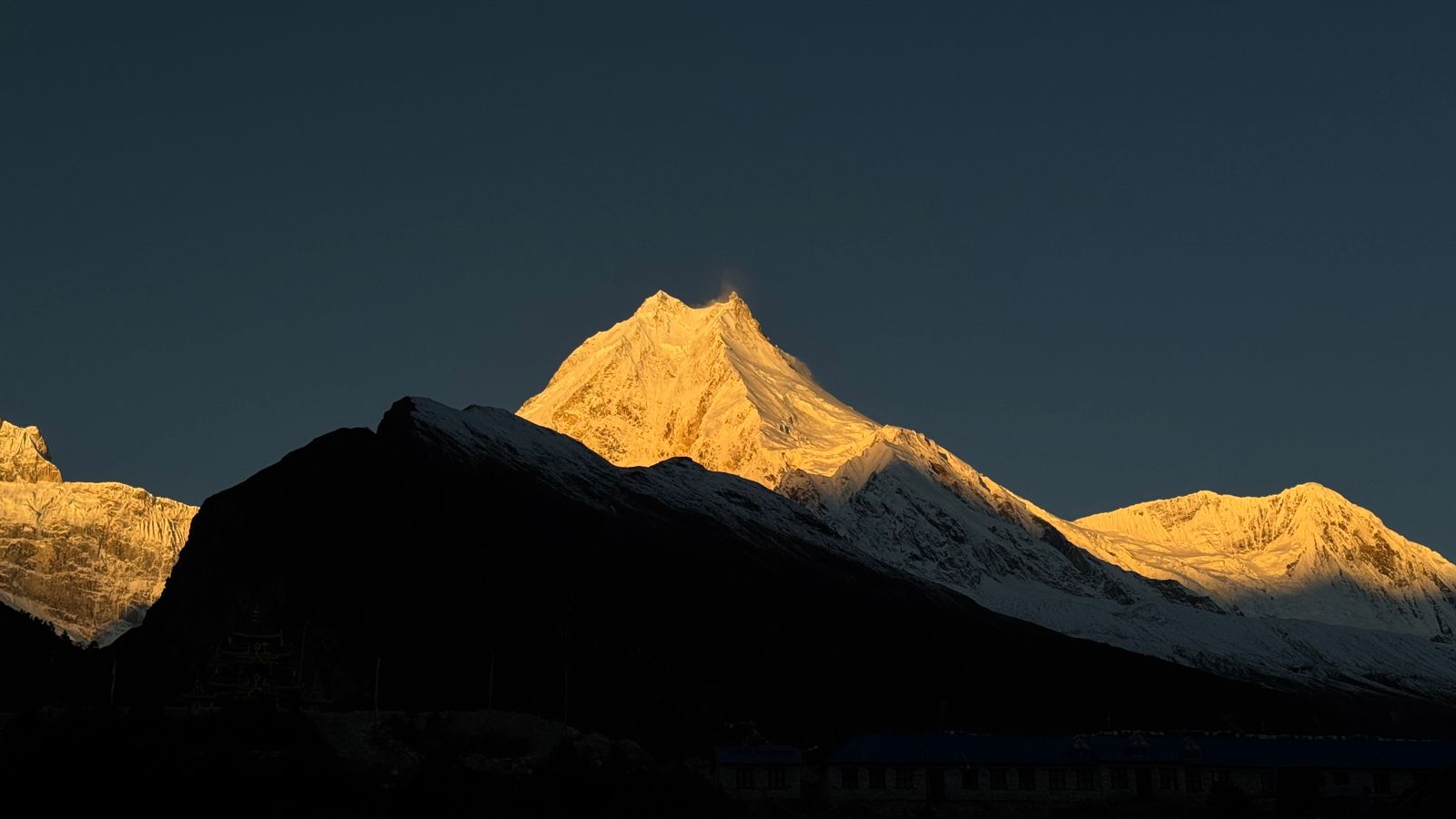
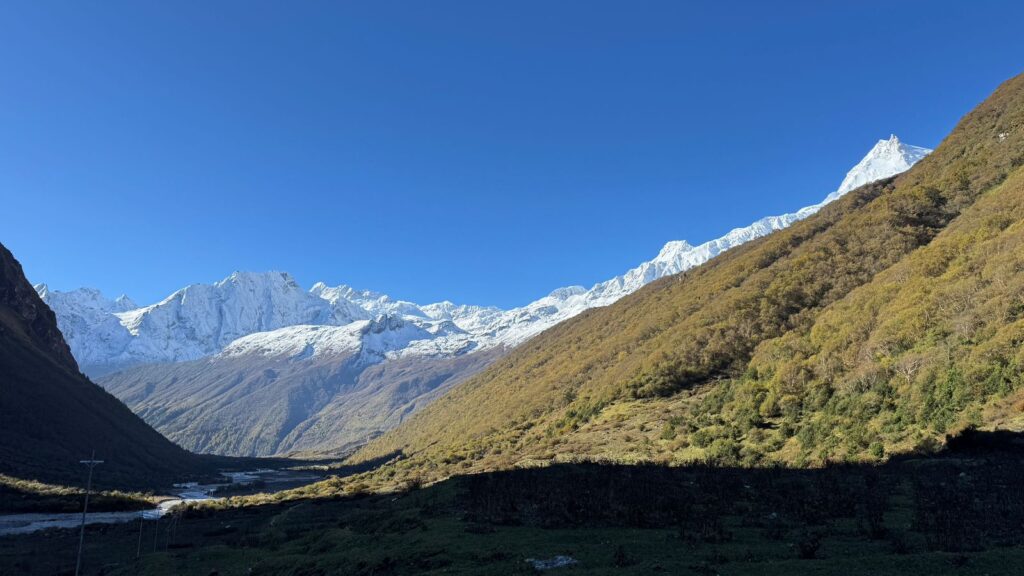
Mt Manaslu from village
  • Crossing Larkya La pass (5,106m)
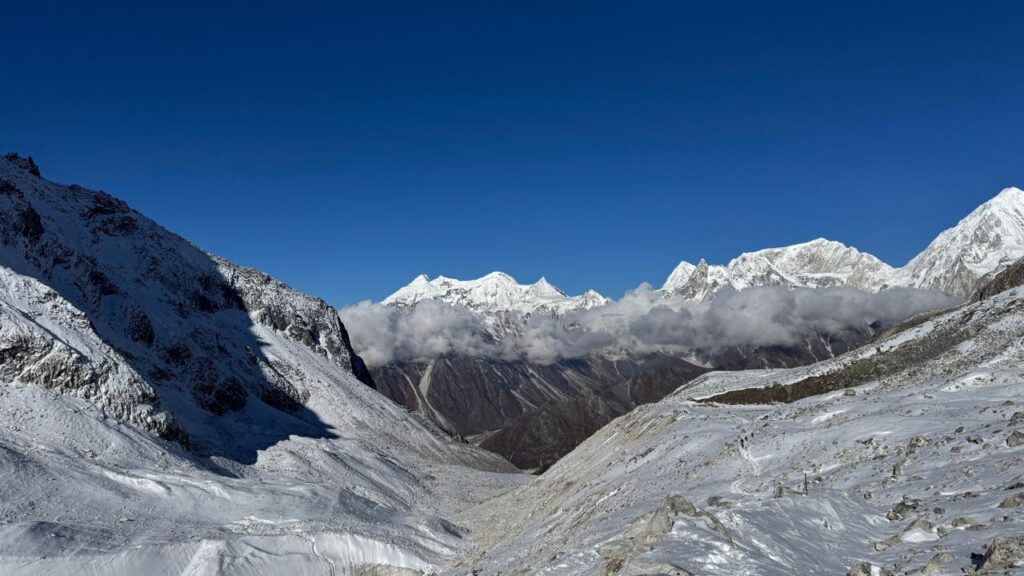
  • Stunning view of Mt. Manaslu, Himalchuli, Ngadi Chuli and many more mountains
  • Experience authentic Tibetan style
  • Less crowded and more nature
  • Rich wildlife

What to pack for Manaslu Circuit Trek?

  • Down jacket and sleeping bag
  • Trekking boots
  • Headlamp
  • Waterproof jacket and pants
  • Layered clothing
  • Trekking poles
  • Power bank
  • Water purification tablets
  • First aid kit
  • Chocolate bars

Safety tips for Manaslu Circuit Trek

local village in Manaslu

Manaslu circuit trek moderately challenging trek. So proper acclimatization is really important while doing this trek. Drink 4-5 liters of water daily, this helps to keep your body hydrated. Always avoid alcohol at high altitude. Walk slowly and focus on breathing on a pass day. Always follow your guide’s instruction. And most importantly carry travel insurance (should include high altitude trekking coverage).

Why trek Manaslu Circuit Trek with Access The Asia Treks?

With over 10 years of providing excellent in service, we serve our customer with everything we can. We ensure safe, acclimatized itinerary, professional English-speaking guide, support for your success trek, real cultural experience with local family.

If you’re thinking of trekking Manaslu Circuit Trek, lets expert guide you. Contact us.

Altitude Sickness in Nepal: The Complete Guide for Trekkers

How Access the Asia Treks Ensures Your Safety in the Himalaya?

The mountain in Nepal is resided in the higher altitude and require multiple days to reach there with gradual ascend everyday. As the mountains in Nepal are in the higher altitude, the proper preparation is the most. The mountain region starts from 3000m and from here the altitude sickness starts to appear. Altitude sickness is one of the most important topics every traveler should understand before trekking in Nepal.

The trekking in Nepal is usually located in the higher altitude. Therefore, we should take proper care of the altitude sickness precautions and pre-preparation. Whether you’re heading toward Everest Base Camp, Island Peak, Annapurna Circuit, Manaslu, or any high-altitude region, proper awareness can make your journey safer and far more enjoyable. Access the Asia Treks provides you with all the necessary information and important guidance for your safety and successful journey.

This guide explains everything about altitude sickness in Nepal, how to recognize symptoms, how to prevent it, and how Access the Asia Treks handles health issues and emergency helicopter evacuation during Himalaya expeditions. Usually, we plan everything before the trek. We believe a good initiation is half done.

Therefore, altitude sickness preparation before the trek is the most. Therefore, we take proper note of the client’s previous health issues, physical condition and all the necessary precautions to be taken before heading for the trek.

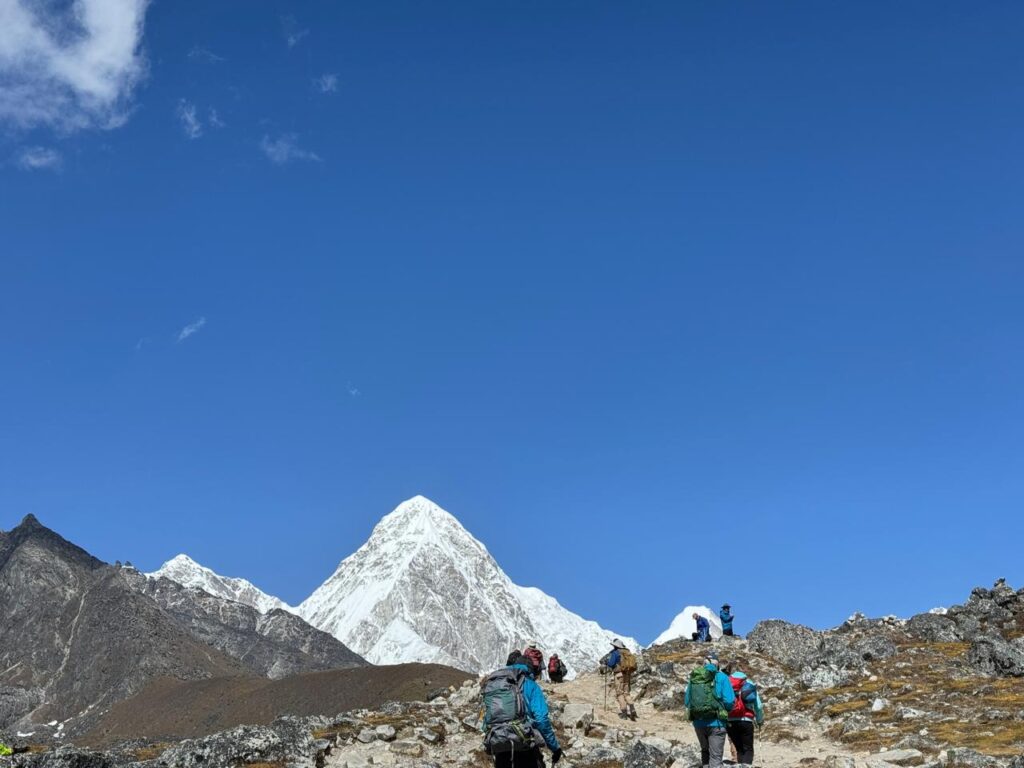
Stunning view of Mt. Pumori

What Is Altitude Sickness? A Must-Know for High-Altitude Trekking in Nepal

Altitude sickness—also known as Acute Mountain Sickness (AMS)—occurs when the body cannot adapt to declining oxygen levels at high elevations. It also happens due to the unfavorable situation in the Himalayas due to the health complications. It typically begins above 3000 meters, making it a primary concern during popular Nepal trekking routes like Everest Base Camp, Gokyo Lakes, Island Peak climbing, Langtang valley and many more.

The symptoms that occur while we experience the altitude sickness are:

  • Common AMS Symptoms
  • Persistent headache
  • Loss of appetite
  • Nausea or vomiting
  • Fatigue and shortness of breath
  • Dizziness or light-headedness
  • Difficulty sleeping

Severe Forms: HAPE & HACE

The severe forms of the Altitude sickness are the HAPE and HACE that affects the lungs and brain respectively affecting the trekkers health to the severe point.

HAPE (High Altitude Pulmonary Edema) – fluid accumulation in the lungs

HACE (High Altitude Cerebral Edema) – brain swelling

Both are life-threatening and require immediate descent and evacuation.

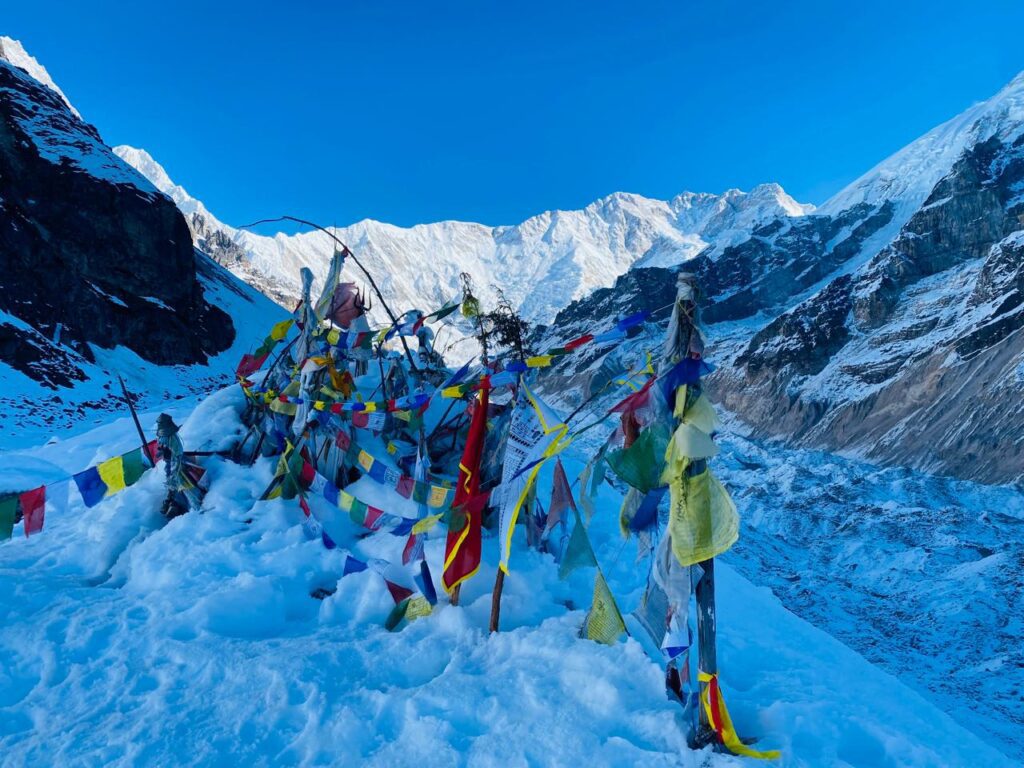
Prayer flag
Prayer flag

Why Altitude Sickness in Nepal Is a Growing Concern Today?

Many trekkers now visit the Himalaya with tighter itineraries and limited acclimatization time. To minimize this issue, our trek itineraries are meticulously designed and have the proper acclimatization day. Combined with unpredictable Himalayan weather and increased foot traffic, Himalaya trekking safety requires more attention than ever.

Travelers today face:

Rapid itinerary schedules

  • Increased social-media-influenced “quick summit” goals
  • More challenging climate patterns
  • Limited awareness of altitude risks

This is why choosing a responsible and experienced company like Access the Asia Treks is essential for safe high-altitude trekking.

How Access the Asia Treks Ensures Safety at High Altitude?

1. Meticulously Designed Acclimatization Itineraries

Our itineraries follow safe ascent rules recommended for higher altitude trek and other activities like climbing peak and all. We never rush the trail and follow the 300–500 m daily altitude gain guideline after 3,000 meters.

2. Highly Trained Guides for Altitude Management

Our guides are certified in:

  • Wilderness First Aid
  • AMS, HAPE & HACE prevention
  • Oxygen saturation monitoring
  • High-altitude response and rescue

Their daily health checks significantly reduce risk during the trek.

3. First-Aid Support and Monitoring

All teams are equipped with:

  • Pulse oximeter
  • First-aid kit
  • Basic altitude medications (administered only as required)

4. Slow, Safe & Responsible Trekking Approach

We follow a “health-first” philosophy. Our staff take proper care of you during the trek. They observe the following deails:

  • Your health condition
  • Your sleep
  • Your food quatity
  • Your water consumption
  • Your pace

Your pace is set based on how your body adapts—not by rushing the itinerary.

How We Handle Altitude Sickness During Island Peak Climbing?

Most of the trekking areas and peak climbing areas are taken into consideration and provided with altitude sickness details accordingly. Few trekking areas like Everest region, Annapurna Region, Makalu region etc. are the regions where altitude affects many trekkers. Understanding this, we implement:

  • Spare Day Policy for Weather or Physical Condition
  • If you need an extra day due to weather conditions or physical challenges during any trek or Peak climbing, we adjust the schedule safely. When required:
  • We fly directly from the respected spot to Kathmandu via helicopter as much as possible,
  • or alternatively fly from the nearest possible Heli destination, depending on conditions.
  • This flexible plan ensures maximum safety without compromising your Himalayan experience.

Emergency Evacuation: Access the Asia Treks Safety Protocol

1. 24/7 Helicopter Evacuation Support

In severe cases of altitude sickness, we arrange immediate helicopter evacuation. We coordinate with experienced Himalayan rescue teams to fly you from:

  • The nearest Heli spot
  • High altitude rescue if the weather permits
  • or the nearest safe landing zone.

Your travel insurance typically covers this, and we help manage the process.

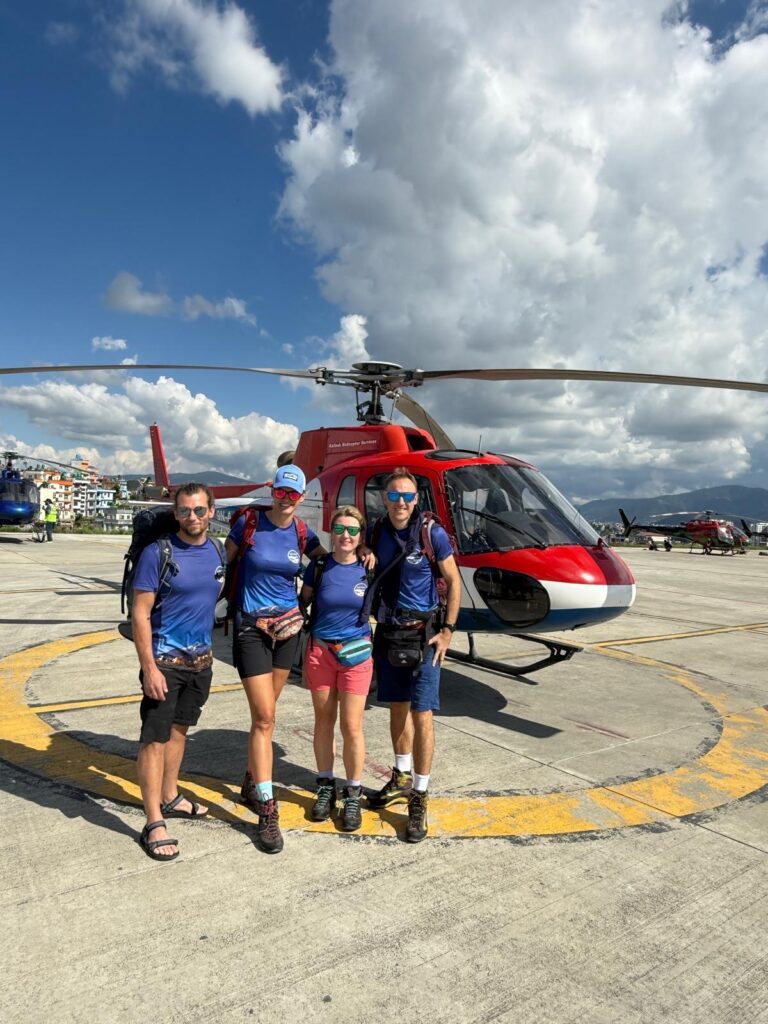
Ready for the flight

2. Reliable High-Altitude Communication

Our guides are equipped with:

  • Satellite phones
  • Emergency contact networks

This ensures instant communication with rescue teams—crucial for Himalaya trekking safety.

3. Post-Evacuation Support in Kathmandu

Once evacuated:

  • We help you check into a hospital
  • Assist with insurance paperwork
  • Arrange accommodation and recovery support
  • We stay with you until you are fully stable.
  • Follow acclimatization days strictly
  • Drink at least 3–4 liters of water daily
  • Avoid alcohol at altitude
  • Ascend slowly, descend if symptoms worsen
  • Eat enough calories
  • Choose proper travel insurance with helicopter rescue
  • Always listen to guide

These simple steps dramatically improve your high-altitude trekking safety.

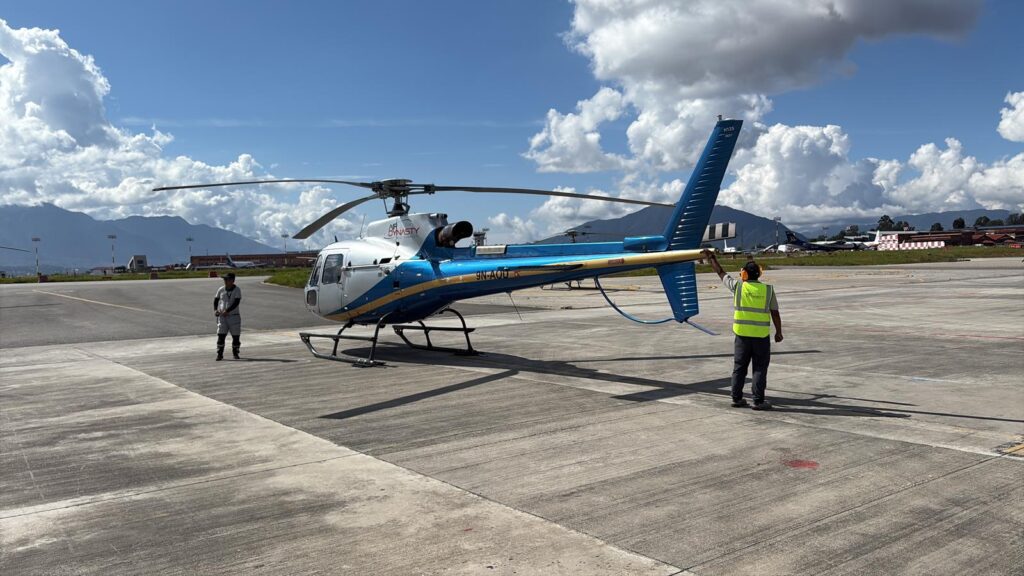
Heli ride
Heli ride

Conclusion: Trek Nepal Safely with Access the Asia Treks

Altitude sickness should never discourage you from trekking in Nepal. Having precautions before the trek allows you to enjoy your trip full heartedly. With the right preparation, professional guidance, and a reliable rescue system, trekking in the Himalaya is both safe and rewarding.

Access the Asia Treks ensures:

  • Safe itineraries
  • Expert guides
  • Reliable acclimatization
  • Fast helicopter evacuation procedures

Your adventure matters—but your safety matters more.

Translate »