pkg image

Narphu Valley Trek

Narphu Valley Trek

Destination: Nepal

Region: Annapurna

Duration
13 Days
Difficulty
Challenging
Country
Nepal
Activity
Trekking and Hiking
Max-Altitude
5322m
Accomodation
Hotel and Lodge
Best Season
Sep to November and March to June
Meals
Lunch, Dinner and Breakfast

Overview

The Narphu Valley Trek is one of the most unique and off-the-beaten-path trekking routes in the Annapurna region of Nepal. This remote trek offers an exceptional combination of cultural richness, historical significance, and breathtaking geographical beauty. The journey takes you through the hidden gem of Narphu Valley, a region that remains largely untouched by mass tourism. With the experienced team of Access the Asia Treks, trekkers are guided through pristine landscapes, ancient Tibetan villages, and remote monasteries, ensuring a fully immersive experience. The trek is perfect for those seeking adventure in a culturally vibrant and less-explored region.

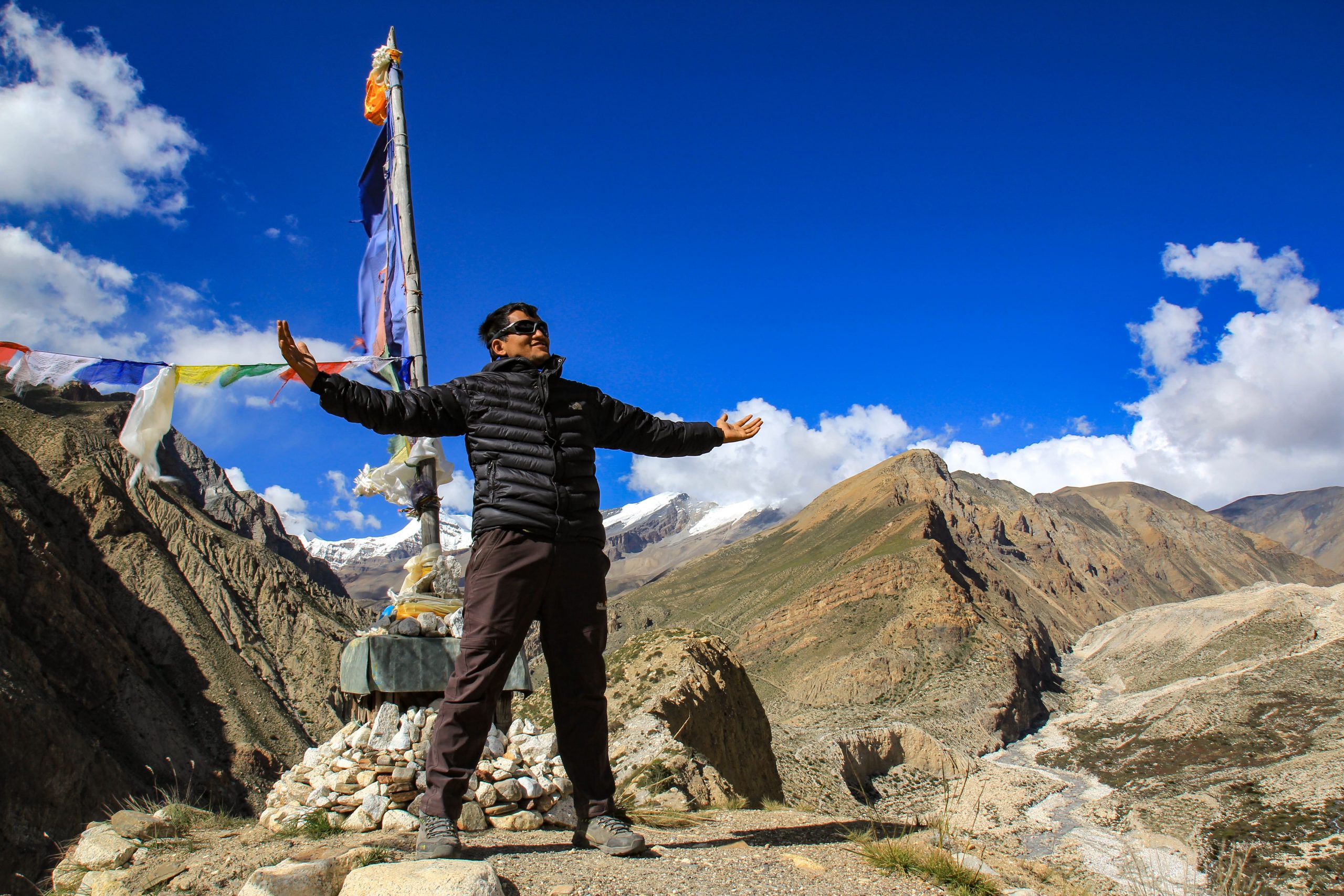
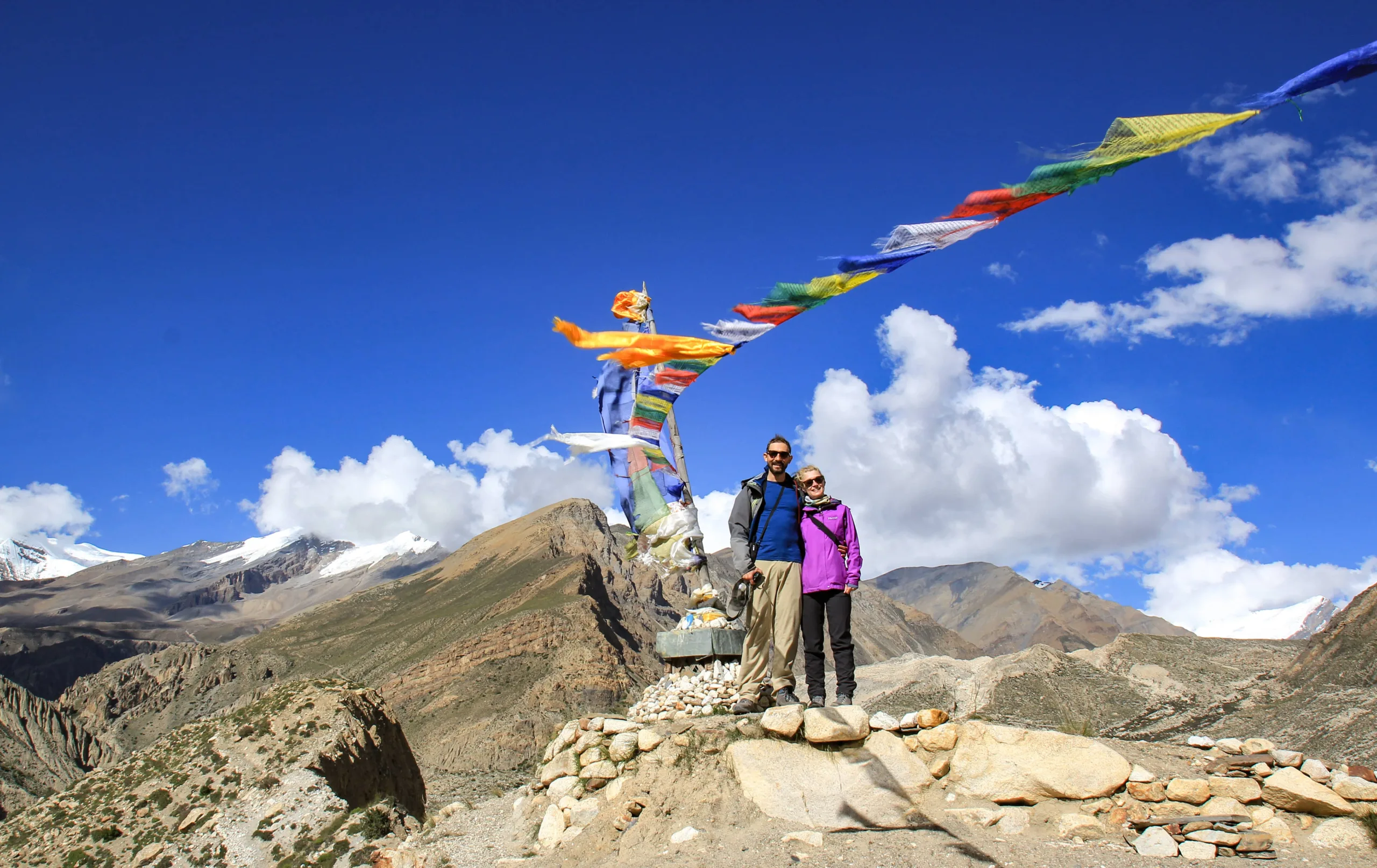
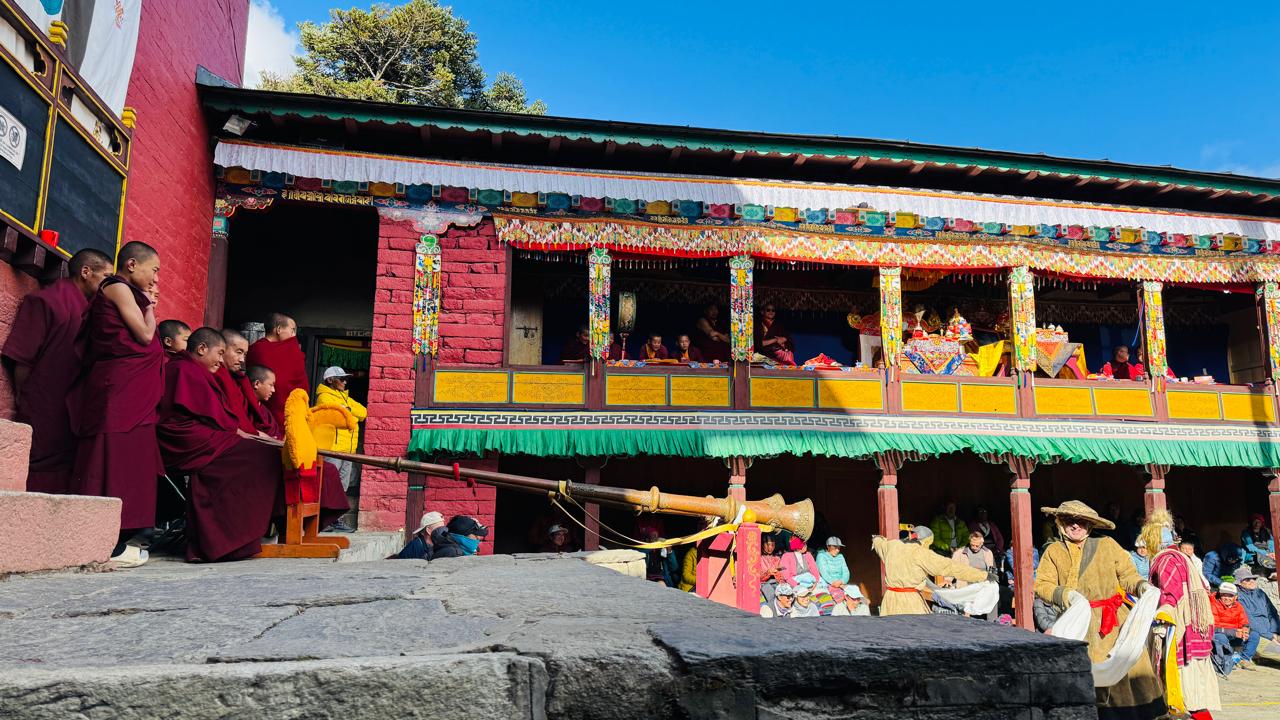
The trek begins at Koto, where trekkers enter the Narphu Valley, passing through picturesque villages such as Chame and Bhote Odar. These villages are home to people who maintain traditional Tibetan Buddhist practices, and visitors notice colorful prayer flags, prayer wheels, and monasteries along the way. The trek provides an unparalleled opportunity to explore Nepal’s hidden culture, with local customs and religious practices offering insights into the lives of these resilient communities. The trekking route is culturally significant as it brings you closer to the remote Tibetan-influenced cultures and their peaceful, spiritual lifestyles.

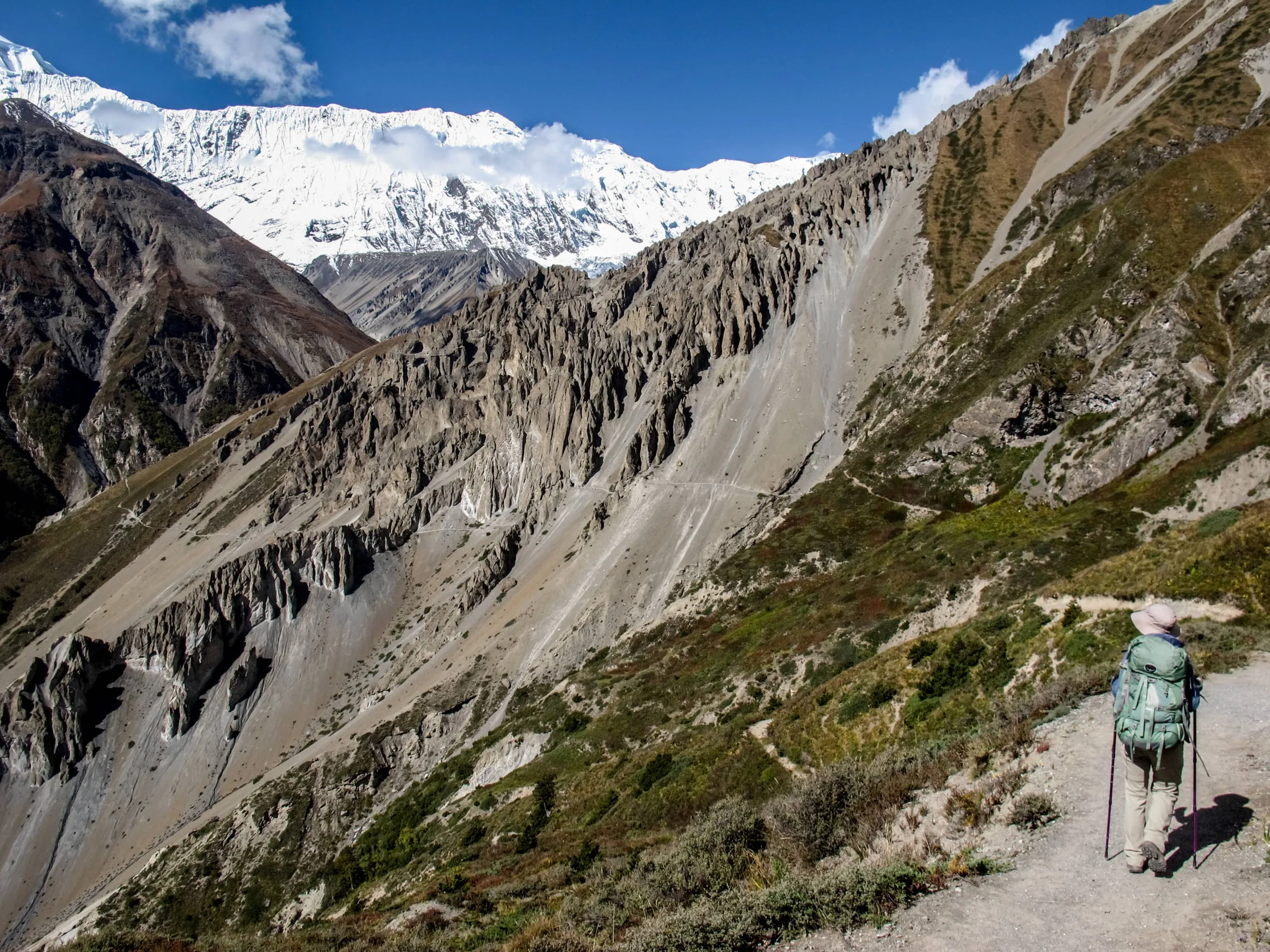
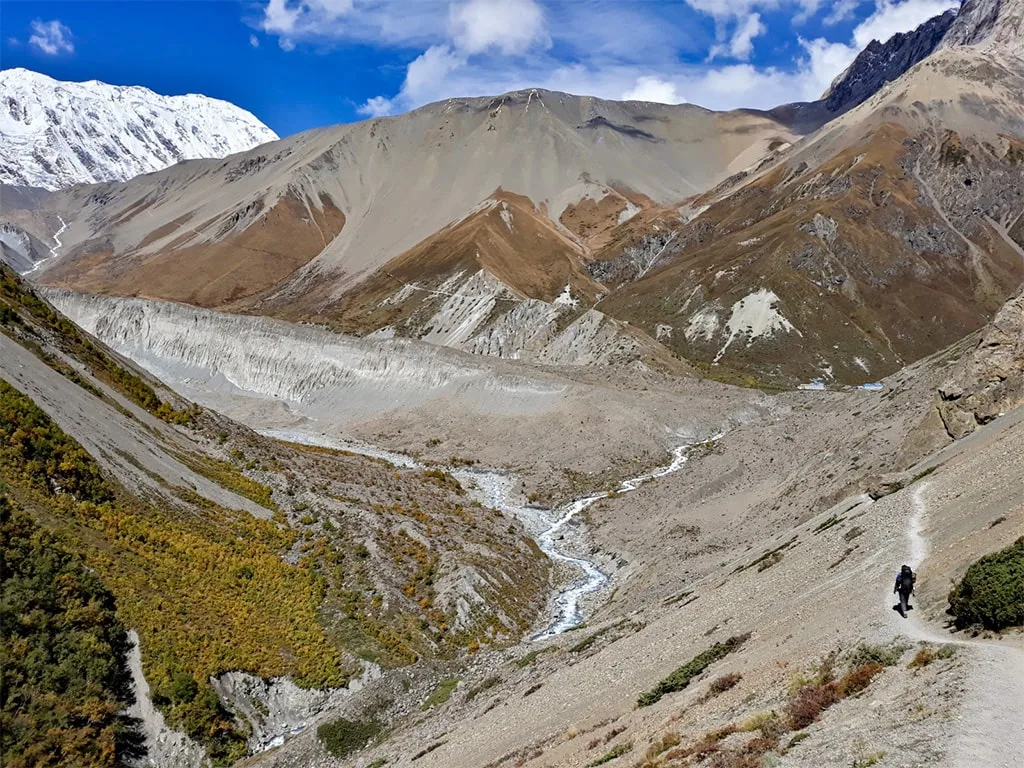
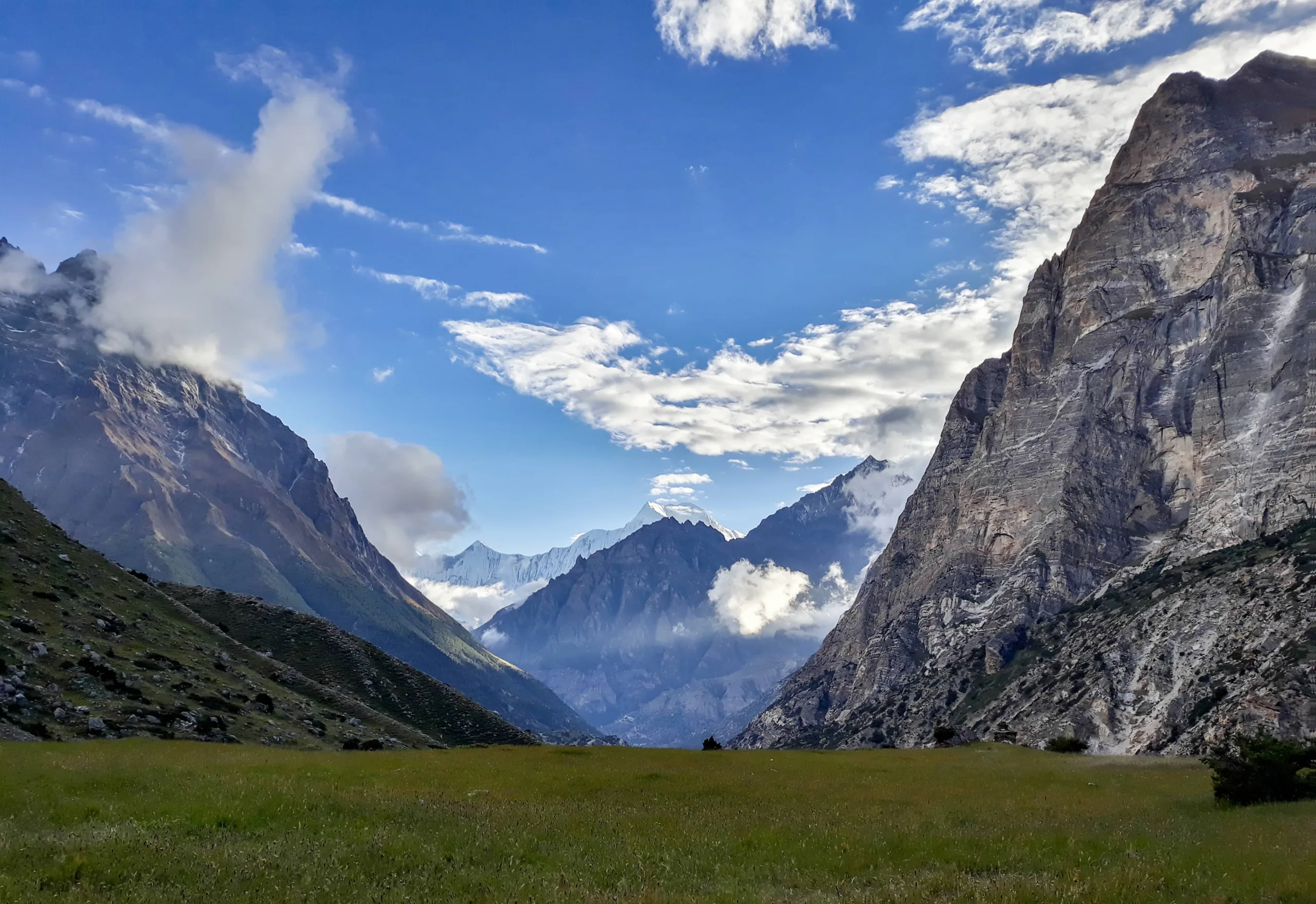
As trekkers ascend, the trek takes you into higher altitudes, where the geographical diversity of Narphu Valley becomes increasingly dramatic. The valley is framed by towering peaks such as Annapurna II (7937 meters), Gangapurna (7454 meters), Himalchuli (7893 meters), and the majestic Manaslu range. The terrain transforms from lush subtropical forests to rugged alpine landscapes, dotted with ancient monasteries and stone stupas. This geographical diversity offers trekkers not only stunning views of some of the highest peaks in the Himalayas but also a true sense of the harshness and beauty of life in these remote, high-altitude regions.

The Narphu Valley Trek also has significant historical value, as it traces ancient trade routes between Nepal and Tibet. The region is home to historical monasteries, such as the Phu Monastery, that have been standing for centuries, serving as spiritual centers for the local Tibetan Buddhist communities. The ancient ruins and stone inscriptions along the route highlight the area’s historical connection to Tibet and its importance as a hub for trade and culture in the past. The trek offers a rare glimpse into a world that has remained largely unchanged for centuries, providing trekkers with a sense of walking through history.

With the expert guidance of the Access the Asia Treks team, trekkers can enjoy a hassle-free and comfortable journey through Narphu Valley. The team ensures the best trekking experience by managing all logistics, from trekking permits to the experienced guides, and providing high-quality services throughout the journey. Access the Asia Treks is committed to delivering a safe and enriching experience in Narphu Valley, allowing trekkers to enjoy the serene beauty, ancient culture, and history of this captivating part of Nepal. Whether you’re looking to explore remote villages, witness stunning Himalayan landscapes, or immerse yourself in Nepal’s spiritual heritage, the Narphu Valley Trek offers an unforgettable adventure.

Trip Highlights

  • Experience the unique Tibetan Buddhist culture with traditional villages, ancient monasteries, prayer flags, and stone stupas along the trail.
  • Enjoy breathtaking views of towering peaks, including Annapurna II, Gangapurna, Himalchuli, Manaslu, and other majestic Annapurna Range summits.
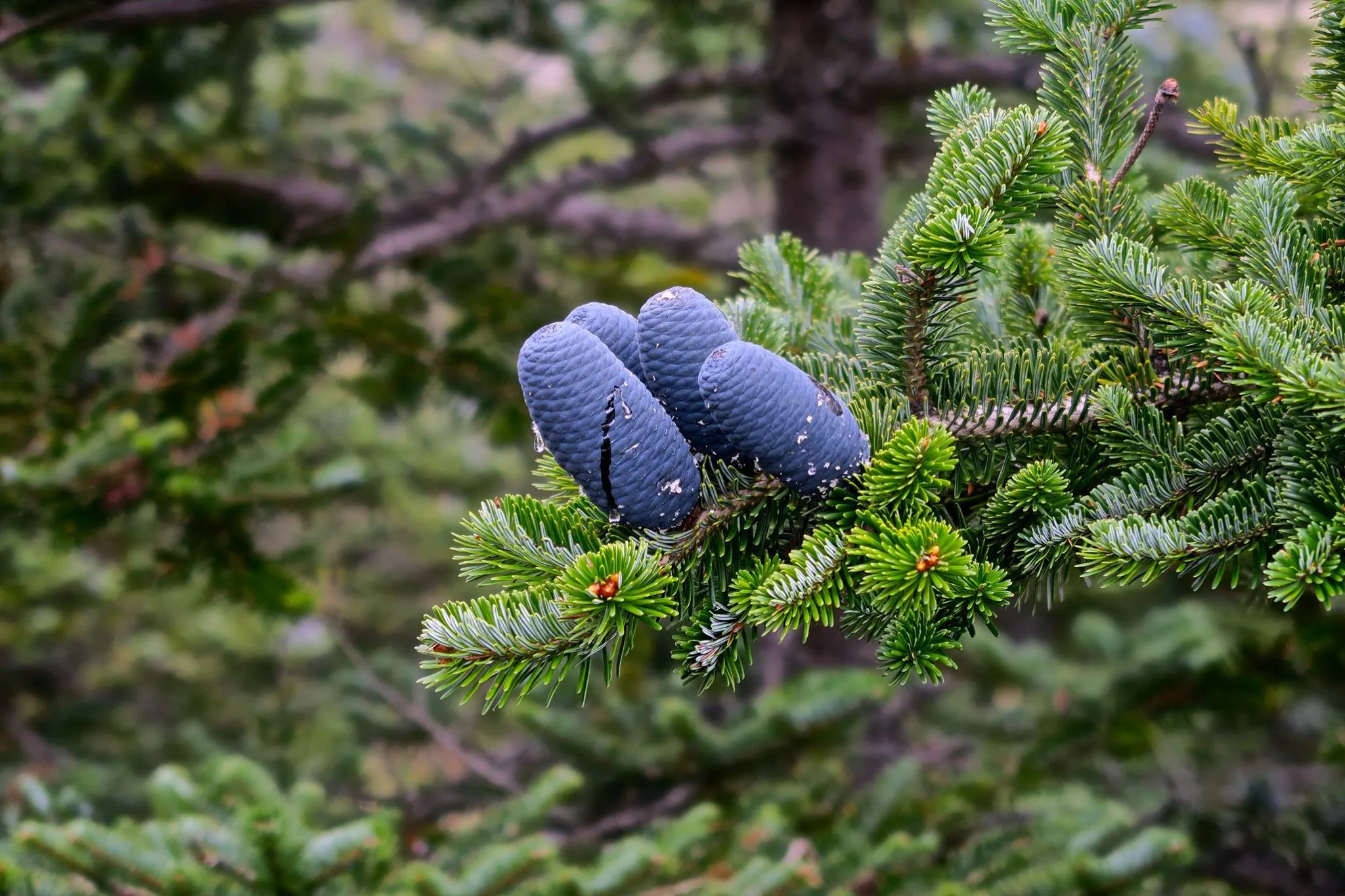
  • Trek through diverse landscapes, from lush subtropical forests to high-altitude alpine meadows and rugged rocky terrain, offering a variety of ecosystems and flora.
  • Visit the ancient Phu Monastery, a historical and spiritual hub for the local Tibetan Buddhist community, reflecting the region’s deep spiritual heritage.
  • Walk through remote villages like Chame, Koto, Narphu, and Bhote Odar, where locals still follow age-old customs and lifestyles shaped by Tibetan influences.
  • Marvel at intricate Tibetan Buddhist art, architecture, and religious symbols throughout the trek, including beautifully painted stupas and prayer wheels.
  • Conquer rugged terrains and high-altitude paths, including passes like Kangla Pass (5306 meters / 17,406 feet), offering stunning panoramic views of the surrounding mountain ranges.
  • Trek across Kangla Pass, one of the highest points of the journey, providing dramatic views of the snow-capped peaks of the Annapurna and Manaslu ranges.
  • Experience the pristine beauty of the Narphu Valley, a less-explored region in Nepal, offering a peaceful and untouched natural environment that promises tranquility and serenity.
  • Embrace the spiritual atmosphere of the valley, where Buddhist prayer flags flutter in the wind, and trekkers can witness the harmony between nature, culture, and religion.

Itinerary

Day 1

When you arrive at Tribhuvan International Airport (TIA) in Kathmandu, situated at an altitude of 1,400 meters (4,593 feet), a warm and traditional welcome awaits you. A friendly representative from Access the Asia Treks greets you with a garland of fresh flowers or a ceremonial Khada (scarf), a gesture symbolizing good luck and respect in Nepali culture. This personalized reception ensures that you feel comfortable and cared for from the very moment you step foot in Nepal. Our representative, holding a placard with your name, makes it easy to connect and provides seamless assistance for a stress-free arrival.

After the traditional welcome, you are escorted to your designated hotel in a private vehicle, offering comfort and convenience. On the way, you can enjoy your first glimpses of Kathmandu, a city alive with vibrant streets, ancient temples, and unique cultural charm.

Once at the hotel, you can relax and unwind after your journey.

An overnight stay at Kathmandu.

Drive duration: 30 minutes

Accommodation: Star Hotel in Kathmandu

Day 2

One of the explorative days begins with your breakfast and the wonderful morning vibes of the center of Kathmandu.

Highlighting Swayambhunath, Pashupatinath, and Boudhanath as the main attractions.

Swayambhunath (Monkey Temple)

Start your exploration at the iconic Swayambhunath Stupa, perched on a hill offering breathtaking views of Kathmandu Valley. Known as the Monkey Temple due to its lively monkey inhabitants, this UNESCO World Heritage Site is a revered Buddhist sanctuary.

Pashupatinath Temple

A sacred pilgrimage destination for Hindus, Pashupatinath Temple is dedicated to Lord Shiva. Located along the banks of the holy Bagmati River, this UNESCO World Heritage Site is an architectural marvel and spiritual hub.

Boudhanath Stupa

The grand Boudhanath Stupa, one of the largest in the world, stands as a beacon of peace and spirituality. Surrounded by a lively marketplace, this UNESCO World Heritage Site is a haven for Buddhist pilgrims and enthusiasts.

Optional Destinations

  • Kathmandu Durbar Square (Kumari Ghar)
  • Bhaktapur Durbar Square
  • Patan Durbar Square

Note: Generally, we conduct the briefing after the city tour. Therefore, we have to be prepared accordingly as per the given time frame.

An overnight stay in Kathmandu.

Sightseeing: Around 4-5 hours

Drive Duration: Around 2 hours

Briefing duration: Around 1 hour

Accommodation: Luxury Hotel in Kathmandu

Day 3

After breakfast, you set out for the journey from Kathmandu (1,400 meters / 4,593 feet) to Dharapani (1,860 meters / 6,102 feet) which takes approximately 8 to 10 hours by road, offering a scenic adventure through Nepal’s diverse landscapes. Departing Kathmandu, you travel through winding highways, lush hills, and terraced fields, passing through vibrant towns like Besisahar and picturesque villages steeped in culture and tradition. As you ascend, the scenery transitions from bustling city life to tranquil mountain views, providing an enchanting glimpse into rural Nepal. Along the route, you encounter charming roadside eateries where you can enjoy authentic Nepali cuisine, adding a delightful cultural experience to your journey.

Dharapani, located in the Manang District, is a gateway to the Annapurna Circuit/Narphu Valley Trek and a hub of Gurung and Tibetan-influenced culture. The village is surrounded by stunning natural beauty, with majestic peaks, traditional stone houses, and prayer flags fluttering in the wind. It’s a perfect spot to observe the unique blend of Hindu and Buddhist traditions practiced by the locals. The drive not only connects you to the starting point of your trekking adventure but also immerses you in Nepal’s rich heritage and awe-inspiring landscapes, setting the tone for an unforgettable journey.

An overnight stay at Dharapani.

Drive duration: 8-10 hours

Accommodation: Hotel/Lodge/Tea House

Day 4

The trek from Dharapani (1,860 meters / 6,102 feet) to Koto (2,600 meters / 8,530 feet) takes around 5 to 6 hours, offering a moderate ascent through stunning natural landscapes and culturally rich villages. As you leave Dharapani, the trail winds through lush forests of rhododendron and pine, with breathtaking views of the Himalayas gradually unfolding. The trail follows the Marsyangdi River, providing soothing sounds of flowing water as you trek. Along the way, you pass through charming Gurung villages where you can observe traditional stone-built houses, terraced farmlands, and local lifestyles deeply rooted in Himalayan culture.

Koto, a picturesque village at the confluence of the Marsyangdi and Nar Khola rivers, is the entry point to the Nar Phu Valley and a hub of Tibetan-influenced culture. The village is adorned with prayer flags, chortens (Buddhist shrines), and mani walls inscribed with sacred mantras, reflecting the spiritual heritage of the region. You can also interact with locals and learn about their unique customs and traditions. The trek from Dharapani to Koto not only connects you to the Annapurna wilderness but also immerses you in the rich cultural tapestry of Nepal’s high-altitude communities.

An overnight stay at Koto.

Trek duration: 5-6 hours

Accommodation: Hotel/Lodge/Tea House

Day 5

The trek from Koto (2,600 meters / 8,530 feet) to Meta (3,560 meters / 11,680 feet) takes approximately 5 to 6 hours, offering a gradual ascent through stunning landscapes and remote mountain villages. As you leave Koto, the trail climbs steadily through pine forests and along the Nar Khola River. The path winds through dramatic gorges, providing breathtaking views of the surrounding peaks. As you trek higher, you encounter traditional Tibetan-style settlements, where you can immerse yourself in the unique culture of the region. This route also leads you deeper into the Nar Phu Valley, a restricted area known for its pristine natural beauty and rich cultural heritage.

Meta, a small village nestled at the heart of the Nar Phu Valley, is a beautiful stop on the Narphu Valley trek. At an elevation of 3,560 meters (11,680 feet), Meta offers awe-inspiring views of snow-capped peaks and high-altitude landscapes. The village is home to Tibetan Buddhist traditions, with prayer flags fluttering in the wind, mani walls lining the trails, and local monasteries offering a glimpse into the spiritual life of the residents. The trek from Koto to Meta takes you deeper into the rugged beauty of Nepal’s remote regions, providing both physical challenge and cultural immersion in the ancient traditions of the Nar Phu people.

An overnight stay at Meta.

Trek duration: 5-6 hours

Accommodation: Hotel/Lodge/Tea House

Day 6

The trek from Meta (3,560 meters / 11,680 feet) to Phu Gaun (4,080 meters / 13,386 feet) takes around 5 to 6 hours and offers an exciting journey through the rugged landscape of the Nar Phu Valley. As you leave Meta, the trail ascends steeply, crossing high-altitude terrain, including rocky paths and alpine meadows, with stunning views of snow-capped peaks such as Himalchuli and Manaslu. Along the way, you pass through traditional Tibetan-style settlements, where you can witness the simple, yet vibrant lifestyle of the locals. The journey offers a deep cultural immersion, as you come across mani walls, prayer flags, and chortens, which are important symbols of Tibetan Buddhism.

Phu Gaun, a picturesque village at an elevation of 4,080 meters (13,386 feet), is a peaceful and remote settlement in the Nar Phu Valley. The village is home to Tibetan Buddhist traditions, and you can observe the locals practicing their spiritual rituals and interacting with their livestock. Phu Gaun offers a glimpse into the ancient ways of life in the high Himalayas, where people continue to live in traditional stone houses, cultivating barley and yak herding. The trek from Meta to Phu Gaun allows you to experience the serene beauty of the region while connecting with the unique culture of the Phu Valley, which remains largely untouched by modern development.

An overnight stay at Phu Gaun.

Trek duration: 5-6 hours

Accommodation: Hotel/Lodge/Tea House

Day 7

Spending an acclimatization/rest day at Phu Gaun (4,080 meters / 13,386 feet) is essential for adjusting to the high altitude before continuing your trek in the Nar Phu Valley. During this day, you can take a short hike to higher elevations, such as to the nearby Himalayan ridges, and then return to Phu Gaun to sleep, following the “hike high, sleep low” principle to help your body adjust. This rest day is not only crucial for acclimatization but also offers an opportunity to explore the rich Tibetan Buddhist culture of the village. You can visit local monasteries, observe the daily life of the villagers, and enjoy the tranquil environment surrounded by dramatic mountain views. The day is also an excellent time to interact with the friendly locals and learn about their traditional lifestyles, including yak herding and farming.

An overnight stay at Phu Gaun.

Hike duration: 2-3 hours

Accommodation: Hotel/Lodge/Tea House

Day 8

The trek from Phu Gaun (4,080 meters / 13,386 feet) to Naar (4,110 meters / 13,484 feet) is a short but scenic journey that takes about 3 to 4 hours. The trail ascends gradually through the Nar Phu Valley, offering stunning views of the surrounding peaks, including Himalchuli and Manaslu. As you trek, you cross rivers, pass through alpine meadows, and navigate rocky terrain. Along the way, you experience the serene beauty of the region, with Tibetan Buddhist influences evident in the many mani walls, chortens, and prayer flags that line the path. The journey allows for a peaceful immersion in the region’s spiritual culture, with the opportunity to observe the simple, traditional lifestyles of the local communities.

Upon reaching Naar (4,110 meters / 13,484 feet), a remote village tucked in the highlands, you encounter a blend of Tibetan Buddhist culture and stunning natural beauty. The village is known for its stone houses and yak herding, with locals continuing to follow traditional practices passed down for generations. As you explore Naar, you are able to witness its peaceful lifestyle and the unique way of life in this remote corner of Nepal. The trek from Phu Gaun to Naar provides an authentic experience of the Nar Phu Valley, giving trekkers an opportunity to connect with both the landscape and the culture of this hidden Himalayan paradise.

An overnight stay at Naar.

Trek duration: 3-4 hours

Accommodation: Hotel/Lodge/Tea House

Day 9

Spending an acclimatization/rest day at Naar (4,110 meters / 13,484 feet) is crucial for proper adaptation to the high altitude before continuing your trek in the Nar Phu Valley. During this day, you can take a short hike to higher elevations, such as a nearby ridge or viewpoint, and then return to Naar to sleep, following the “hike high, sleep low” principle. This not only aids in acclimatization but also provides the chance to explore the Tibetan Buddhist culture of the village. The peaceful settlement is known for its stone houses and yak herding traditions, where you can witness daily life that has remained largely unchanged for centuries. You may also visit local monasteries, interact with villagers, and enjoy the stunning panoramic views of the Himalayas, including Himalchuli and Manaslu, all while preparing for the next stage of your Himalayan adventure.

An overnight stay at Naar.

Hike duration: 2-3 hours

Accommodation: Hotel/Lodge/Tea House

Day 10

The trek from Naar (4,110 meters / 13,484 feet) to Ngawal (3,660 meters / 12,008 feet) via the stunning Kangla Pass (5,306 meters / 17,408 feet) is a challenging yet rewarding journey that takes about 7 to 9 hours. Starting from Naar, the trail ascends toward the Kangla Pass, passing through remote villages and rugged terrain. As you approach the pass, you are treated to panoramic views of the Himalayas, including peaks like Manaslu and Annapurna II. The trek offers an opportunity to experience the high-altitude landscape, where the air is thin and the beauty is unparalleled. Reaching the Kangla Pass is a significant achievement, as it is the highest point on this trek, providing a unique perspective of the Annapurna and Manaslu regions.

Kang La Pass is a high-altitude mountain pass located at 5,306 meters (17,408 feet), connecting the Nar Phu Valley. It offers breathtaking panoramic views of the Annapurna and Manaslu ranges, making it a highlight for trekkers. Crossing the pass is a challenging but rewarding experience, showcasing the rugged beauty and remote culture of the region.

After crossing the Kangla Pass, the descent to Ngawal (3,660 meters / 12,008 feet) takes you through traditional Tibetan-style villages, offering glimpses of Tibetan Buddhist culture. Ngawal is a charming village, known for its stone houses, narrow alleyways, and incredible mountain vistas. As you arrive in Ngawal, you can rest and explore the local culture, interacting with the villagers who still practice traditional agriculture and yak herding. The trek from Naar to Ngawal via the Kangla Pass is a highlight of the Nar Phu Valley trek, providing an unforgettable blend of stunning natural landscapes and rich cultural experiences.

An overnight stay at Ngawal.

Trek duration: 7-9 hours

Accommodation: Hotel/Lodge/Tea House

Day 11

After breakfast, you set out for an unforgettable drive from Ngawal, situated at 3660 meters (12008 feet), to Besi Sahar, located at 760 meters (2493 feet), through the breathtaking landscapes of the Annapurna region in Nepal. This scenic drive takes approximately 6 to 7 hours, passing through traditional villages like Manang, along with stunning views of the Himalayas, including peaks such as Annapurna II and Lamjung Himal. As you descend, experience the changing climate and culture, from the Tibetan-influenced architecture and lifestyle of Ngawal to the more subtropical atmosphere of Besi Sahar. The route offers a rich cultural experience, with opportunities to witness local customs, try traditional foods, and interact with the friendly people of the region. Whether you’re a nature lover or culture enthusiast, this journey provides an immersive experience of Nepal’s diverse landscapes and heritage.

An overnight stay at Besi Sahar.

Drive duration: 6-7 hours

Accommodation: Hotel/Lodge/Tea House

Day 12

On this day, after breakfast you set up for a scenic drive from Besi Sahar, located at 760 meters (2493 feet), to Kathmandu at 1400 meters (4593 feet), taking approximately 6 to 7 hours. This journey passes picturesque landscapes, lush valleys, and charming villages, offering a glimpse into Nepal’s diverse geography and culture. Key stops along the route include Dumre, a bustling town known for its vibrant market, and the historical town of Malekhu. As you approach Kathmandu, the landscape transforms from rural serenity to the hustle and bustle of Nepal’s capital, where the rich history, vibrant culture, and ancient temples await. The drive showcases a mix of subtropical and temperate climates, with opportunities to experience the warm hospitality of the locals and the region’s unique blend of Hindu and Buddhist influences. This journey is a perfect way to explore Nepal’s natural beauty and cultural heritage on the way to Kathmandu.

An overnight stay at Kathmandu.

Drive duration: 6-7 hours

Accommodation: Hotel

Day 13

For a smooth departure from Tribhuvan International Airport (TIA) in Kathmandu, it’s highly recommended to arrive a few hours earlier than your flight departure time. TIA, Nepal’s main international gateway, is located at an altitude of 1400 meters (4593 feet) and serves as an airport for both domestic and international travel. Arriving 3 hours prior to your flight ensures ample time for check-in, security checks, and to enjoy the cultural atmosphere of the airport.

Drive duration: 30 minutes

Route Map

Route Map coming Soon!!!

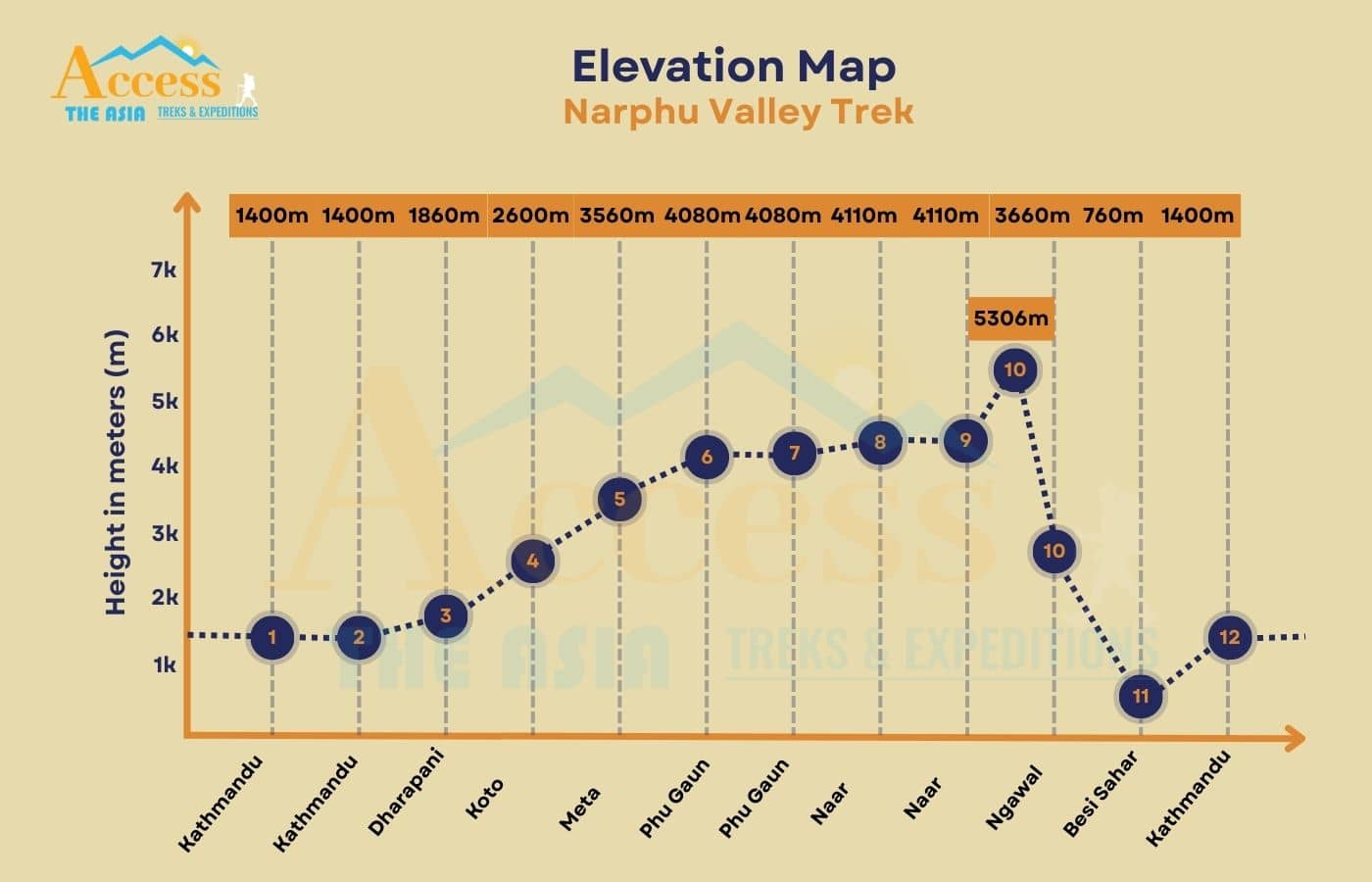
Elevation Map

elevation map

Included & Included in the Cost

Standard Package Cost $1290 Per Person
Standard Package Service Includes
  • All transportation is grounded transportation
  • Two nights’ accommodation with breakfast in a luxurious hotel in Kathmandu and one night at Pokhara
  • Full board meals breakfast, lunch, and dinner with tea/coffee during the trek
  • Best available twin sharing lodge for accommodation
  • Snacks of seasonal fruits during the trek (optional)
  • Sightseeing tours in the areas covered by the trek.
  • One highly experienced, helpful, and friendly guide. Porters at your own cost (1 porter for two people) and their insurance, food, accommodation, salary, and equipment.
  • Company’s Duffle bag and hat
  • Trekking map and trip achievement certificate
  • First aid medical kit
  • Annapurna conservation area Permit fees
  • Restricted aria permit fees
  • TIMS Fee- Trekkers’ Information Management System
  • All government taxes and office service charge
Standard Package Service Excludes
  • Meals not specified in the inclusions
  • Hot shower and extra hot water
  • Personal equipment
  • Cold drinks and sweets like cholate bar and other snacks
  • Travel insurance
  • Tips for guide and porters
  • Battery charging above 3820m
  • No extra expenses from the company if there is an emergency or bad weather

Equipments

A detailed gear list is crucial for trekking. With Access the Asia Treks, we ensure the clients safety, comfort and success in the challenging Himalayan environment. To support clients who doesn’t have personal specific equipment, Access the Asia Treks offers rental facilities for high-quality trekking gear, ensuring that all participants are properly equipped. This service not only guarantees safety but also makes the adventure more accessible and stress-free, allowing trekkers to focus on the experience while adhering to professional safety standards.

 Here’s a list of essential gears for trekking:

Clothing:       

Upper Body:

  • Base Layers – Moisture-wicking t-shirts (2-3) and Thermal tops and bottoms (2 sets)
  • Mid Layers: Fleece jacket or Down jacket (lightweight but warm)  (Down jackets can be hired in  Nepal)
  • Outer Layers: Waterproof and windproof jacket and Waterproof trekking pants

Lower Body: Trekking pants (2-3 pairs), Thermal leggings and Hiking shorts (optional)

Head and Hands: Hat or cap, wool hat, neck gaiter and Lightweight gloves (Insulated gloves)

Footwear: Trekking boots (waterproof), Camp shoes (sandals or sneakers) and Wool or synthetic trekking socks (3-4 pairs)

Backpacks and Bags:

  • Large duffel bag (for porters) – (Provided by the company)
  • Daypack (30-40L, for personal items)
  • Waterproof rain covers for backpacks

Sleeping:

  • Sleeping bag (rated for cold weather, depending on the trek) – (Can be hired in Nepal)
  • Sleeping bag liner (optional for extra warmth)

Trekking Gear:

  • Trekking poles (adjustable, lightweight) – Optional
  • Headlamp (with extra batteries)
  • Sunglasses (UV protection)

Personal Items:

  • Water bottles (insulated)
  • Water purification tablets or filter
  • Quick-dry towel
  • Toiletries (biodegradable soap, toothpaste, wet wipes)
  • Sunscreen
  • Lip balm
  • First aid kit (basic, including medication)
  • Hand sanitizer
  • Cash for your personal expenses as per your necessity

Miscellaneous:

  • Snacks and energy bars
  • Power bank and charging cables
  • Camera (optional)
  •  Trekking permits and documentation (Provided by the company)
  • Travel documents (Passport and Travel insurance)
  • Plastic bags (for wet or dirty clothing)
  • Duct tape (for repairs) – (Provided by the company)

Optional:

  • Lightweight crampons (for icy sections, if necessary) – (Can be hired in Nepal)
  • Portable altitude chamber or oxygen (if the trek includes extreme altitudes) – (Provided by the company)
  • Personal thermos for hot beverages

This gear list should be customized based on the specific trek, altitude, and weather conditions.

Company provides the following facilities regarding the trekking gears

Duffle bag – Company provides the duffle bag to carry all your trekking gears except your light luggage during the trek.

Company provides you the renting facilities of the gears and you can rent the gears in Nepal and you have to pay on your own. The gears renting costs around USD 2 to USD 2.5 per day.

Note: If there is any damage in the rented gears, then you must reimburse for the damaged material as per its original cost.


Things To Know before the Trip

Planning a trek with Access the Asia Treks is an adventure of a lifetime, offering breathtaking views, cultural immersion, and unforgettable memories in the land of paradise. To ensure your journey is seamless and enjoyable, here are the essential things to know before starting on your trekking adventure. This comprehensive guide covers all aspects of preparation, including visas, required gear, cash, first aid, and other important considerations.

Trekking in the majestic Himalayas with Access the Asia Treks is an extraordinary experience that combines nature, culture, and adventure. Whether you’re heading to Everest Base Camp, the Annapurna Circuit, or less-trodden paths like the Manaslu Circuit, preparation is key. Each trek offers unique challenges and rewards, so understanding the terrain, weather, and local customs is crucial. Trekkers should be prepared for altitudes ranging from 1,000 meters to over 5,500 meters and varying climates from subtropical to alpine conditions.

Important Aspects to Know Before the Trek

Physical Preparation: Trekking in Nepal demands a moderate to high level of physical fitness. Begin training several months before your trek with a mix of cardio, strength training, and hiking practice. Consider altitude acclimatization as a part of your preparation.

Trekking Permits: Most trekking regions in Nepal require specific permits like the TIMS (Trekkers Information Management System) card and area-specific permits. For example, the Annapurna Conservation Area Permit (ACAP) or Sagarmatha National Park Permit may be necessary. Access the Asia Treks will assist you with the paperwork. Therefore, our package includes these permit fees and other required documentation.

Cultural Sensitivity: Nepal’s diverse cultures and religions require respect and understanding. Familiarize yourself with local customs, avoid gestures that might be considered offensive, and follow Leave No Trace principles to preserve the environment. Access the Asia Treks is involved in various sanitation campaigns that is directly or indirectly providing the necessary support in preserving the environment being associated with the reputed NGO “Inspire the Youth”.

Visa Requirements

Nepal requires most international travelers to obtain a visa. You can apply for a visa on arrival at Kathmandu’s Tribhuvan International Airport or at Nepalese embassies abroad. The visa fee depends on the duration of your stay (e.g., 15, 30, or 90 days). Ensure your passport is valid for at least six months beyond your travel dates and bring passport-sized photos for the visa application. Access the Asia Treks provides assistance if you need guidance during the visa process.

Gears According to the Trip

Packing the right gear is vital for a successful trek. Access the Asia Treks offers gear rental options for specific items to reduce the burden of carrying everything from home. We have provided the gear details needed in our gear section. We are always ready to guide you for the perfect solution regarding acquiring the complete gears.

Cash Requirements

ATMs are scarce in remote trekking regions, so carry sufficient cash in Nepali rupees for the entire trip. While larger towns like Pokhara and Namche Bazaar may have banking facilities, many tea houses and shops along the trekking routes only accept cash. Budget for accommodation, meals and permits are provided by the company in our package. However, your personal expenses, extra food item, energy bars and incidental expenses are on your own which require the Nepali cash with you during the trek.

First Aid and Health Precautions

Access the Asia Treks provides basic first-aid support during your trek, but you should carry a personal first-aid kit for your personal medication. First aid includes essentials like:

  • Pain relievers – (On your own)
  • Band-aids and antiseptics – (Provided by the company. Better to have your own)
  • Altitude sickness medication (Diamox or equivalent) – (On your own)
  • Blister care (moleskin or blister plasters) – (Provided by the company. Better to have your own)
  • Prescription medications – (On your own)
  • Electrolyte powders for hydration – (On your own)
  • Water Purification tablets – (On your own)
  • Oximeter – (Provided by the company)
  • Thermometer – (Provided by the company)

Most of the medications and first aid equipment are carried by the guide. Somehow, it is important for you to take it on your own for your safety and reliability. Stay hydrated, eat well, and listen to your guide’s advice about acclimatization. If symptoms of Acute Mountain Sickness (AMS) occur, inform our guide immediately.

Travel Insurance

Comprehensive travel insurance covering high-altitude trekking and emergency evacuation is mandatory along with the medical expenses occurred during the process.

Communication

Mobile networks are limited, but Access the Asia Treks provides updates about connectivity. Satellite phones may be available for emergencies. We will work out on this one. We will provide you the details regarding the mobile networks and connectivity throughout the trek so that you can be updated with its details. We will also provide you the essential communication medium during the emergency situation.

Environment and Sustainability

Minimize waste by avoiding single-use plastics and use refillable water bottles. Respect wildlife and stay on marked trails. Our guide provides you the spot briefing related to the trekking destination and you must follow the guide’s guidelines and implement accordingly. The main motto of our trekking must be to respect the nature and environment and the sustainable tourism.

Read More

ADVISORY

  • Non-bio degradable materials are not allowed to dispose in the trekking route randomly.
  • Proper follow of the guidance provided by the leader/guide of the trek.
  • Alcoholic beverages and other intoxicating substances are highly discouraged.
  • There might be the chances of bad weather so be prepared for the inconvenience caused by the unpredictable weather.
  • Try to be mentally and physically prepared before this trek with few short hikes before this trek is highly recommended.

IMPORTANT THINGS REQUIRED

  • Passport
  • Few passport size photos for TIMS and other official documents
  • Personal trekking equipment
  • Snow goggles
  • Personal handbag and luggage
  • Snacks and sweets like chocolate bar (if required)
  • Warm clothes, down jacket and multilayered clothes
  • Trekking shoes
  • Some personal items and sunscreen/sun cream
  • Water bottle and hat

PRELIMINARY AND KEY NOTES

  • Greeting ‘Namaste’ (your palms held together) is the most respectful and attractive way to greet somebody and is practiced profoundly.
  • Accessibility of internet and phone calls can be made efficient using the mobile SIM Card provided by the company itself or you can buy easily in the local market. All you need is one passport sized photo and a photocopy of your physical passport in either case.
  • There are lots of major cultural heritage sites in Kathmandu along with the ancient monasteries and sculptures. Photos are not taken unless you have asked for the permission.
  • The nightlife in Kathmandu is mostly safe and concentrated in Thamel area, one of the busiest destinations for foreigners to hang out with varied options of bars, restaurants and other places to choose from. Somehow, other areas including small towns are closed before 10pm.


  • Nepalese people are friendly, truly kind and incredibly welcoming as there is a phrase in Nepali culture ‘Guests equal Gods’. Out of the blue moon, there are several chances of being cheated. Saying this, you are somehow prone to possible travel scams. Keep yourself and your belongings safe, if you are travelling solo. It is highly recommended to have one experienced guide, taking safety into consideration.

PAYMENT INFORMATION

To confirm you’re booking with Access the Asia Treks, payment for the selected trek can be made via bank transfer. Please ensure that all applicable bank charges, including transfer fees or intermediary bank fees, are covered by you at the time of payment. This will help us receive the full amount without any deduction.

Once the payment is sent, kindly provide us with the transaction details or remittance slip for verification.

If you experience any issues during the payment process or require assistance of any kind, please feel free to contact us immediately. We are always available to support you and ensure a smooth and reliable booking experience.

GEAR RENTAL AND TREK INFORMATION

For your convenience, we provide the option to hire trekking gear in Nepal. This includes essential items such as:

  • Trekking poles
  • Sleeping bags
  • Down jackets / fleece jackets
  • Crampons and other technical gear (for high-altitude treks)

We recommend renting gear locally only if you do not already own quality trekking equipment, as renting ensures reliable and well-maintained gear suited for Nepal’s conditions.

FULL TREK PREPAREDNESS

To ensure a safe and enjoyable trek, please make sure you are fully prepared before departure:

  1. Proper Clothing: Layered clothing, thermal wear, waterproof jackets, trekking shoes, gloves, and hats.
  2. Health and Safety: Carry a basic first aid kit, personal medications, and consider altitude sickness medication if trekking above 3,000 meters.
  3. Fitness: Moderate to high physical fitness is recommended depending on the trek’s difficulty level.
  4. Essential Gear: Backpack, water bottles, headlamp, sunglasses, sunscreen, and personal hygiene items.
  5. Documentation: Passport, necessary permits (Provided by Access the Asia Treks. Inclusive in package), travel insurance, and emergency contact information.

Being fully equipped and prepared ensures a comfortable, safe, and memorable trekking experience in Nepal.

TREKKING PACKAGES – TAILORED FOR YOU

We offer three types of trekking packages to suit your preferences and budget:

  1. Economy Package – Ideal for budget-conscious travelers who want a basic yet comfortable trekking experience.
  2. Standard Package – A balanced option offering enhanced comfort, quality accommodation, and well-planned itineraries.
  3. Luxury Package – Designed for those seeking premium comfort, exclusive services, and top-notch amenities throughout the trek.

All our packages are flexible and customizable, allowing you to tailor your trek according to your personal preferences, schedule, and interests.

Visa Requirements

Access the Asia Treks provides you the full information prior to the trek. Our representatives are always standby to support you in every situation from the beginning to the final departure. We try our best to make you feel like home with supportive staffs and friendly environment.

You can get VISA on Arrival at Tribhuvan International Airport; or online in advance through Nepal’s Department of Immigration website (for a pre-arrival application).

You will need:

  • A passport valid for at least six months beyond your arrival date
  • A passport-sized photo (if applying on arrival)
  • Visa fees in cash (USD or major currencies)

Welcome and escorting to hotel

Upon your arrival at Tribhuvan International Airport in Kathmandu, you are warmly welcomed by a representative from Access the Asia Treks highlighting the Nepali tradition. You are then escorted to the hotel, where you can take some time to rest and settle in after your journey to Nepal.

Depending on your flight’s arrival time, the trip briefing will be conducted either the same day or the following day.

Guide & Safety Information

You are provided with an experienced leader who can lead you to your destination with proper supervision and care. You are taken care of your comfortable stay and day to day supervision of your balanced diet, water intake, gradual ascend and proper sleep.

As Altitude Sickness is most probable in this region, thus, proper acclimatization and day to day strategy is necessary which is taken into proper consideration from our staffs.

During emergency situation, evacuation procedure is also made standby and your travel insurance must be provided before the trek which must cover the higher altitude evacuation with medical expenses.

Transportation Facilities

Access the Asia Treks provides reliable and comfortable transportation facilities suitable to the category of your trekking package. Transportation is arranged on either a private or sharing basis, depending on the selected itinerary and service chosen.

  • Private Transportation
  • Sharing Transportation

Whether traveling on a private or sharing basis, Access the Asia Treks ensures smooth transfers between airports (Private only)cities (Private only), and trekking trailheads (Private or Sharing) according to your package category.

Note: For transportation facilities, you can consult with our staffs for more information.

Eco-Friendly & Responsible Trekking

At Access the Asia Treks, we are committed and dedicated to promoting eco-friendly and responsible trekking practices that preserve the natural environment and support local communities.

Our staffs are well trained and provided with proper training for the responsible trekking. Our treks are designed to make lesser environmental impact while supporting cultural respect and sustainability. Cultural immersion, healthy participation in community activities and respecting their cultural and natural values are our priorities.

We encourage the “Leave No Trace” principle by reducing waste, avoiding single-use plastics, and ensuring proper disposal of all non-biodegradable materials. We look forward to creating the trekking campaigns supporting the nature and preserving its values for future. We work closely with local guides, porters, and communities to support the local economy and preserve traditional lifestyles.

Our trekking routes prioritize conservation areas, and we strictly follow government and park regulations to protect wildlife, forests, and fragile mountain ecosystems. We are always committed in respecting the laws to promote the Government and local people initiation to save the nature.

By choosing eco-friendly trekking with us, you can contribute to environmental preservation while enjoying an authentic and responsible Himalayan adventure.

Help & Support Services

Access the Asia Treks provides necessary information and comprehensive help regarding your stay in Nepal. Our professional dedicated team is committed to assisting you from your planning to the competion of the trek.

Pre-Trip Support: Before your trek begins, our staff offers personalized details to assist you choose the most suitable trekking package based on your interests, fitness level, and travel time frame.

Transportation & Accommodation: We manage and assist you with arranging transportation to and from trekking starting points, whether on a private or sharing basis, according to your package category. As per your interest and service needed, our team also provides sufficient information regarding accommodation options.

On-Trek Guidance & Safety: After your arrival, we will provide you the trek briefing details for your assurance regarding your trek information, gears and overall details. During the trek, our experienced leader will support you who is government-licensed and well-trained porters. Our leaders provide daily briefings on trekking distances, altitude changes, weather conditions, and safety measures which play the vital role for you to cope up with the altitude minimizing the risk of altitude sickness. Monitoring regarding your daily food intake, water intake, gradual ascend, physical and mental condition along with proper sleep, and emergency response coordination are integral parts of our service.

Emergency & Communication Support: In case of emergencies, we provide 24/7 support and coordination for medical assistance or evacuation services when required. We assist you to manage the travel insurance accordingly.

Post-Trek Assistance: After completion of the trek, we assist you with various options as per your feasibility. We arrange your return transportation, travel extensions, sightseeing arrangements, and onward travel plans. We also welcome feedback to continuously improve our services.

For further details or specific inquiries regarding your trekking package, our knowledgeable staff is always available to assist you.

Trek Briefing Details Provided by Access the Asia Treks

During the official trek briefing, our guide or trek leader will cover all essential details to ensure you are fully prepared and informed. The briefing typically includes:

Trek Itinerary Overvieww

Day-to-day details of the trek and it makes you your vision clear before the trek.

Average trek duration, daily walking hours and the altitude profile to make you understand about the various situations during the trek.

Significant spots and highlights of the trek for you to encounter during the trek.

Safety & Altitude Guidelines

Proper information about the altitude sickness, symptoms and preventive measures. You are introduced with your trek guide so that you feel comfortable to share your opinions regarding it.

Acclimatization days and rest days during the trek for your adaptation with the altitude and the surrounding. This minimizes the risk of Altitude sickness.

You need the travel insurance which covers your emergency evacuation and medical expenses from the higher altitude.

Necessity of oxygen cylinder or portable altitude chambers whenever necessary during the trek or climbing or expedition.

Accommodation & Meals

The information related to mountain accommodation regarding your stay, food, amenities, room facilities, hot water and local tradition.

Meal plans, safe food practices, and dietary options

Packing & Gear Check

We will re-check all your personal gear and clothing whether they match the requirement for the trek or not. If not, we will help you to buy or hire as per the situation.

Recommendations for any missing or optional items that may be rented or purchased in Kathmandu

Weather Conditions & Trail Expectations

Typical weather patterns during your trekking season

Estimated temperatures at different elevations

Terrain details and trekking difficulty levels

Team Introduction

Introduction to the trek leader, assistant guides, and porters

Roles and responsibilities of each team member

Porter weight limits and packing guidelines

Communication & Connectivity

Availability of Wi-Fi, charging facilities, and mobile network

Recommended SIM cards (if needed)

Depending upon the necessity of the satellite phones and emergency contact, we will provide you all the information regarding it.

Insurance & Documentation Check

Verification of travel and rescue insurance

Passport copies, permits, and TIMS/park entry requirements

Final Question & Answer Session

Time for you to clarify doubts

Last-minute advice before departure

Confirmation of departure time for the following day

Read More

FAQ

Narphu Valley is a remote and breathtaking region situated in the northeastern part of the Annapurna Conservation Area, Nepal. Tucked between the Annapurna and Manaslu Mountain ranges, this hidden gem is renowned for its unspoiled natural beauty and rich Tibetan culture. The valley encompasses the ancient villages of Nar and Phu, offering trekkers an authentic Himalayan experience with traditional stone-built houses, ancient Buddhist monasteries, and spectacular views of Himlung Himal, Kang Guru, and Annapurna II.


To reach this secluded paradise, the trek begins along the popular Annapurna Circuit, Dharapani, eventually leading to the remote trails of Narphu. For an unforgettable adventure in this pristine region, consider trekking with Access the Asia Treks, known for expert-guided journeys into off-the-beaten-path destinations like Narphu Valley.

The best time to trek in Narphu Valley, including routes like Mesokanto La Pass and Thorong La Pass, is during the spring (March to May) and autumn (September to November) seasons. In spring, the trails come alive with blooming rhododendrons, clear skies, and mild temperatures, making it an ideal time for trekkers to enjoy the vibrant landscapes and panoramic views of Annapurna, Manaslu, and Himlung Himal. Autumn, on the other hand, offers stable weather, crisp air, and exceptional visibility, providing some of the most picturesque settings for high-altitude trekking.


These months are also perfect for crossing high passes like Kang La, Mesokanto La, and Thorong La, as the trails are less affected by snow and weather disruptions. While winter (December to February) can offer a serene and uncrowded experience, the harsh cold and snow-covered trails make it more challenging. Monsoon (June to August) is generally not recommended due to heavy rains, slippery paths, and limited visibility, though the Narphu Valley’s rain shadow area sees relatively less rainfall. For a seamless and well-planned trek, consider opting Access the Asia Treks, ensuring safety and an unforgettable Himalayan adventure.


Yes, trekkers require special permits for the Narphu Valley Trek, as it is located in a restricted area within the Annapurna Conservation Area. The essential permits include a Restricted Area Permit (RAP) for Narphu Valley, which costs $90 per person per week during the peak trekking seasons (September-November) and $75 per week in the off-season (December-August). Additionally, an Annapurna Conservation Area Permit (ACAP) is mandatory to enter this region. The RAP ensures controlled tourism to protect the unique culture, heritage, and environment of the valley. For a hassle-free trekking experience, including assistance with all necessary permits, trust Access the Asia Treks, known for expertly managing treks in restricted areas of Nepal like Narphu Valley.

The Narphu Valley Trek typically takes 12 to 15 days, depending on the itinerary, acclimatization needs, and trekking pace. This duration covers the journey from Jagat or Chame through the pristine Nar-Phu Valley and the ascent of Kang La Pass (5,320m), before reconnecting with the popular Annapurna Circuit.

For those opting to extend the trek with Mesokanto La Pass or Thorong La Pass, the total duration can range from 16 to 20 days. The trek offers a mix of cultural exploration, remote Himalayan landscapes, and high-altitude challenges. For a customized itinerary and expert guidance, trust Access the Asia Treks, specialists in crafting seamless adventures in Narphu Valley and the Annapurna region.

The highest point of the Narphu Valley Trek is the Kang La Pass, situated at an altitude of 5,320 meters (17,454 feet). This stunning high-altitude pass serves as a gateway between the remote Nar-Phu Valley and the popular Annapurna Circuit trail. Trekkers crossing Kang La Pass are rewarded with breathtaking panoramic views of Annapurna II, Gangapurna, Tilicho Peak, and the surrounding Himalayan giants. The ascent to the pass is a challenging yet exhilarating experience, requiring good acclimatization and preparation. For a safe and unforgettable journey through this remarkable region, book your trek with Access the Asia Treks, experts in crafting guided adventures to Narphu Valley and beyond.

The Narphu Valley Trek is considered a moderate to challenging trek, requiring good physical fitness, endurance, and prior trekking experience at high altitudes. The trail involves long trekking days, steep ascents, and descents, with highlights like crossing Kang La Pass (5,320m) and navigating remote, rugged terrain.

For those extending the trek with Mesokanto La Pass (5,121m) or Thorong La Pass (5,416m), the difficulty level increases due to higher altitudes and more strenuous paths. Altitude sickness is a potential risk, making proper acclimatization essential. To tackle these challenges safely and efficiently, opt for expert guidance from Access the Asia Treks, a trusted name for treks in Narphu Valley and other high-altitude destinations in Nepal.

Accommodation on this trek is typically in teahouses or lodges, offering basic but comfortable facilities for trekkers. These teahouses provide twin-sharing rooms with simple wooden beds and common dining areas where you can enjoy traditional Nepali meals and hot drinks. While amenities are basic, trekkers can expect hot showers in some areas, though these may be limited at higher altitudes. As you trek through remote villages like Nar and Phu, the accommodation becomes more rustic, adding to the authenticity of the experience. For a seamless and comfortable trekking experience, Access the Asia Treks ensures well-planned accommodations along the Narphu Valley Trek, making sure your journey is both enjoyable and safe.

Trekking alone on the Narphu Valley is not recommended due to the remote nature of the region, challenging terrain, and high-altitude conditions. While it’s possible, trekking with a guide or as part of a group is much safer. The trail can be difficult to navigate, especially in isolated areas, and the risk of altitude sickness increases at higher elevations like Kang La Pass (5,320m) or Mesokanto La Pass (5,121m). Additionally, there is limited communication and infrastructure in some sections of the trek. To ensure your safety and make the most of your adventure, it is advisable to trek with a professional guide. Access the Asia Treks specializes in guided treks in Narphu Valley and other remote regions of Nepal, ensuring expert navigation, safety, and support throughout your journey.

Yes, altitude sickness is a potential risk on the Narphu Valley Trek, particularly as trekkers ascend to higher elevations like Kang La Pass (5,320m). Due to the remote and high-altitude terrain, the oxygen levels decrease significantly, which can lead to symptoms such as headaches, dizziness, and nausea if proper acclimatization is not followed. The trek requires trekkers to gradually adjust to the increasing altitude, and it’s crucial to pace yourself to avoid altitude-related complications.

To reduce the risks of altitude sickness on the Narphu Valley Trek, it’s highly recommended to trek with an experienced guide. Access the Asia Treks is a trusted operator specializing in high-altitude treks in Narphu Valley and the surrounding regions. We ensure safe acclimatization schedules, provide expert advice, and monitor your well-being throughout the journey. With Access the Asia Treks, you can confidently tackle the challenges of the trek, knowing your safety and health are their top priority.

Preparing for the Narphu Valley involves physical fitness, mental readiness, and proper gear. To build the necessary strength and endurance, focus on cardiovascular exercises like hiking, running, and stair climbing. Regular trekking or hiking on uneven terrain will also help you get accustomed with steep ascents and descents. Additionally, practice walking before the trek to simulate the trek’s conditions, especially for high-altitude passes like Kang La Pass (5,320m).

In terms of gear, ensure you have layered clothing to manage temperature changes, sturdy trekking boots for rough terrain, and a high-quality sleeping bag for colder nights. Don’t forget essential items like a first-aid kit, water purification tablets, and sun protection. To ensure you’re fully prepared, it’s advisable to consult with Access the Asia Treks, experts in managing treks in Narphu Valley. We provide personalized advice on training, gear, and acclimatization schedules, ensuring you have a safe and enjoyable trekking experience in this remote, high-altitude region.

The Narphu Valley Trek is a challenging trek that may not be ideal for complete beginners, as it involves high-altitude pass like Kang La Pass (5,320m) which require physical endurance and acclimatization. However, with the right level of fitness, preparation, and guidance, beginners with some trekking experience can successfully complete the trek. It is crucial for beginners to gradually build up their fitness through cardiovascular exercises and strength training before attempting the Narphu Valley Trek.

For beginners, it is highly recommended to trek with an experienced guide. Access the Asia Treks specializes in organizing treks in the Narphu Valley, providing expert support, tailored acclimatization schedules, and ensuring safety throughout the journey. With our guidance, beginners can navigate the challenging terrain, understand the signs of altitude sickness, and enjoy the spectacular Annapurna region safely. Access the Asia Treks offers a well-managed trekking experience that makes this unforgettable adventure accessible to all levels of trekkers.

Yes, the Narphu Valley Trek offers rich cultural highlights, providing trekkers with a unique opportunity to explore the traditions and lifestyles of remote Himalayan communities. As you journey through the valley, you’ll encounter ancient Tibetan Buddhist villages like Nar and Phu, where traditional stone houses, monasteries, and prayer flags are an integral part of daily life. The local culture in these villages remains largely unchanged, offering an authentic glimpse into the spiritual and cultural practices of the inhabitants.

Key cultural highlights of the Narphu Valley Trek include visits to ancient Buddhist monasteries, such as the Phu Monastery, where you can witness rituals, chanting, and the spiritual atmosphere of the region. The local people, primarily Tibetan in origin, maintain traditional farming methods, and their hospitality offers trekkers a chance to engage with the local culture through storytelling, sharing meals, and understanding their way of life. Trekking with an experienced guide from Access the Asia Treks ensures you gain deep insights into the cultural heritage of the Narphu Valley, making your trek not just a physical journey, but a cultural exploration as well.

The Narphu Valley Trek offers a wealth of natural beauty and cultural experiences. One of the primary attractions is the stunning scenic landscape, including breathtaking views of Himlung Himal, Annapurna II, Kang Guru, and other towering peaks in the region. The trek takes you through dramatic canyons, alpine meadows, and high-altitude pastures, offering trekkers a close encounter with the raw, untamed beauty of the Annapurna Conservation Area.

Culturally, the trek provides access to remote Tibetan villages like Nar and Phu, where trekkers can experience the ancient, unspoiled Tibetan Buddhist culture. Highlights include visits to Buddhist monasteries, traditional stone houses, and interaction with the friendly locals, who follow a lifestyle that has remained unchanged for centuries. Additionally, trekking through Kang La Pass offers a sense of achievement and panoramic views that are unforgettable. With expert guidance from Access the Asia Treks, trekkers can experience all these attractions in a safe, well-managed, and culturally enriching manner.

Mobile network coverage and Wi-Fi are limited on the Narphu Valley, especially in the higher, more remote areas of the region. While you may have mobile network coverage in lower-altitude villages like Chame and Jagat, the signal becomes spotty or unavailable as you venture deeper into the valley. In villages like Nar and Phu, you may find very limited or no mobile coverage at all. However, some of the lodges and teahouses along the trail may offer Wi-Fi services for an additional fee, but the connection can be slow and unreliable due to the remote location.

Yes, travel insurance is highly recommended for the Narphu Valley Trek. Due to the challenging nature of the trek, including high-altitude pass like Kang La Pass (5,320m), having comprehensive travel insurance is essential for your safety and well-being. The insurance should cover emergency evacuation and medical treatment. It’s particularly important to ensure that your insurance includes coverage for high-altitude trekking and potential altitude sickness.

Review

  • star ratingFantastic service, fantastic people!! - Access the Asia are a great company - I was well looked after from the moment I contacted them. Arjun helped me tailor a trek to suit what I wanted... read more

    avatar thumb Jodi B
    April 24, 2017

    star ratingtraumtour zum everest bacecamp  - in einer kleinen gruppe von drei personen begleitete uns arjun von der agentur access the asia,ich reise viel hatte aber noch nie so einen guten service.arjun hat sich um alles... read more

    avatar thumb Navigate221478
    December 10, 2017
  • star ratingI travelled with my husband to Nepal and we contacted access the Asia to help us on our trekking to base camp. It was one of the best experience in... read more

    avatar thumb María S
    February 15, 2017

    star ratingExpereinced, Thoughtful, Informative uide - Arjun was my guide for a Everest Base Camp. Excellent guiding experience and informative of his country and the areas features as we hiked, He had the trip well planned... read more

    avatar thumb cbski13
    January 1, 2018
  • star ratingKathmandu/Everest Base Camp - Best trek ever! The staff, especially Arjun was extremely knowledgeable, friendly, and supportive through the entire trip starting with the airline losing my luggage, trekking to base camp, and returning... read more

    avatar thumb TheJeff413
    May 15, 2018

    star ratingEverest Base Camp  - Words can never express the love, respect, admiration and sentiment I have with Nepal. I was completely and utterly blown away with such a wonderful gem of a country. Outside... read more

    avatar thumb gatty21
    January 15, 2018
  • star ratingHighly recommend Access the Asia. Will definitely trek with them again! - Excellent service all around. Tailored itinerary which was great for us. Comprehensive service from the day we arrived to the day we left. Arjun runs a tight ship, and is... read more

    avatar thumb Ayla C
    October 25, 2018

    star ratingGreat Trekking Experience with a Great Team - Mr. Arjun did a great job, He is always fun to be around and very helpful person. He took good care of us and described everything on the way so... read more

    avatar thumb rambknows
    February 16, 2017
  • star ratingTrekking mit Arjun - Namaste.

    Nach einem 2 wöchigen Trekking Richtung Everest Base Camp mit Arjun muss ich mich sehr für diese unvergesslichen Trip bedanken. Man merkte von der ersten Sekunde an, dass... read more

    avatar thumb lurhstaap
    May 1, 2019

    star ratingHighly recommend - Arjun was our brilliant tour guide when we trekked base camp. He was professional, kind and extremely accommodating. Would highly recommend

    avatar thumb James V
    April 22, 2019
  • star ratingWild Dreams Also Come True - I have done the Everest Base Camp trek with Arjun and it was undoubtedly the most memorable trek of my life as I finished my 3 years travels on top... read more

    avatar thumb Ravi K
    March 11, 2019

    star ratingEverest Basecamp Trekking - In February 2018 we did a Basecamp Trekking Tour with Arjun as our guide. It was an unforgettable experience and Arjun always tried to make everything as comfortable for us... read more

    avatar thumb D_av_id_94572
    February 26, 2018
  • star ratingAwesome Experience with team in Pokhara last months. Highly dedicated access the asia team with many experience in tourism sector.

    avatar thumb Prajjwal S
    June 3, 2022

    star ratingI did the Everest Base Camp trek and returned for the Mera Peak Climbing with Access The Asia. Mountain Guide Arjun was superb! Great organization, local knowledge of the region... read more

    avatar thumb robG3276OI
    March 30, 2018
  • star ratingFantastic, personalized service! An unforgettable way to see Nepal! - Arjun and team is your best choice for exploring Nepal. Just recently completed the Nar-Phu Valley track with Mesokanto-La Pass, two weeks of trekking through amazing villages “off the beaten... read more

    avatar thumb 861lindsaya
    November 21, 2018

1290

Offer Price

$ 1161

/ Person
No. of People Price per Person
1 USD $1650
2-4 USD $1290
5-10 USD $1190
Translate »