Overview
Are you searching for the trek in the Himalaya with the cultural immersion? The Mani Rimdu Festival Trek in the Everest region offers the unique opportunity to blend the Himalayan trekking with an immersive cultural experience which is deeply rooted in Tibetan Buddhism. Join Mani Rimdu Festival Trek in Everest also known as Khumbu region to gain once in a lifetime experience. It is one of the most exciting Buddhist festival treks in the land of paradise. You merely don’t go through witnessing breathtaking panoramic views and scenery, but also you can grab the chance to participate in a living spiritual tradition that has been practiced and preserved for centuries. The Mani Rimdu Festival Trek in 2026 is ideal for travelers seeking a blend of adventure, culture, and meaningful local experiences in the Himalayas.
What is Mani Rimdu Festival?
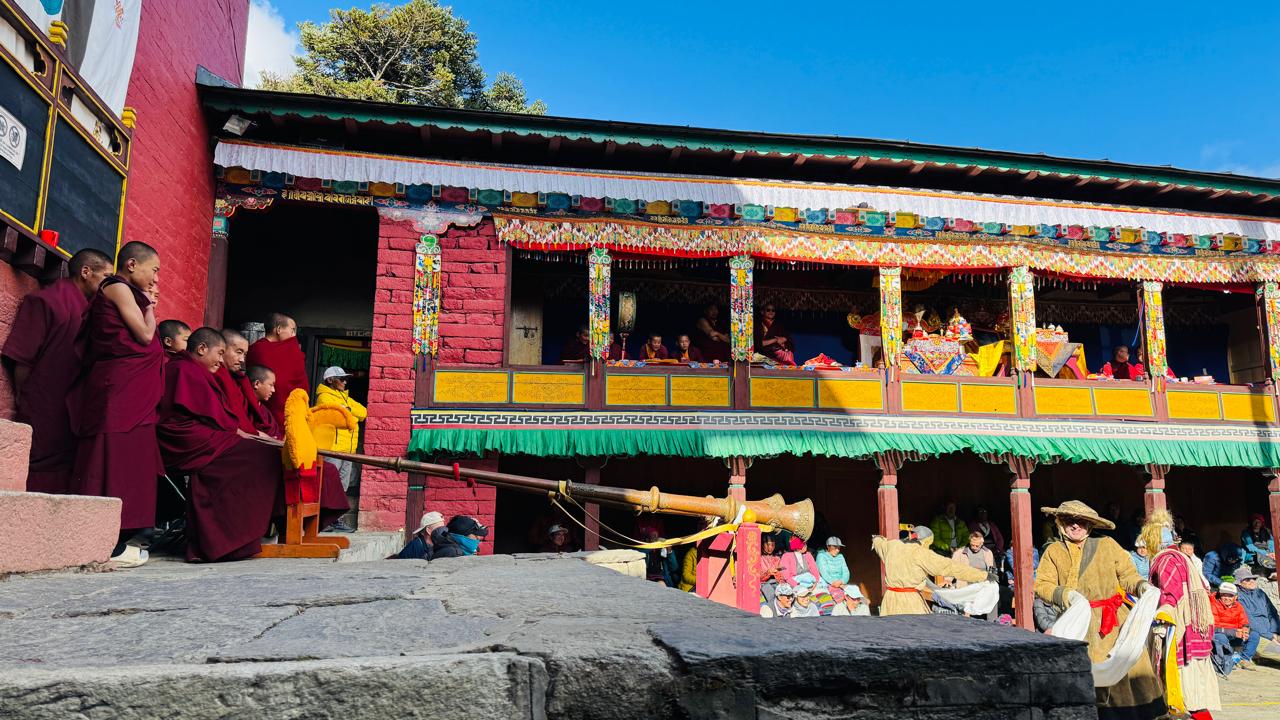
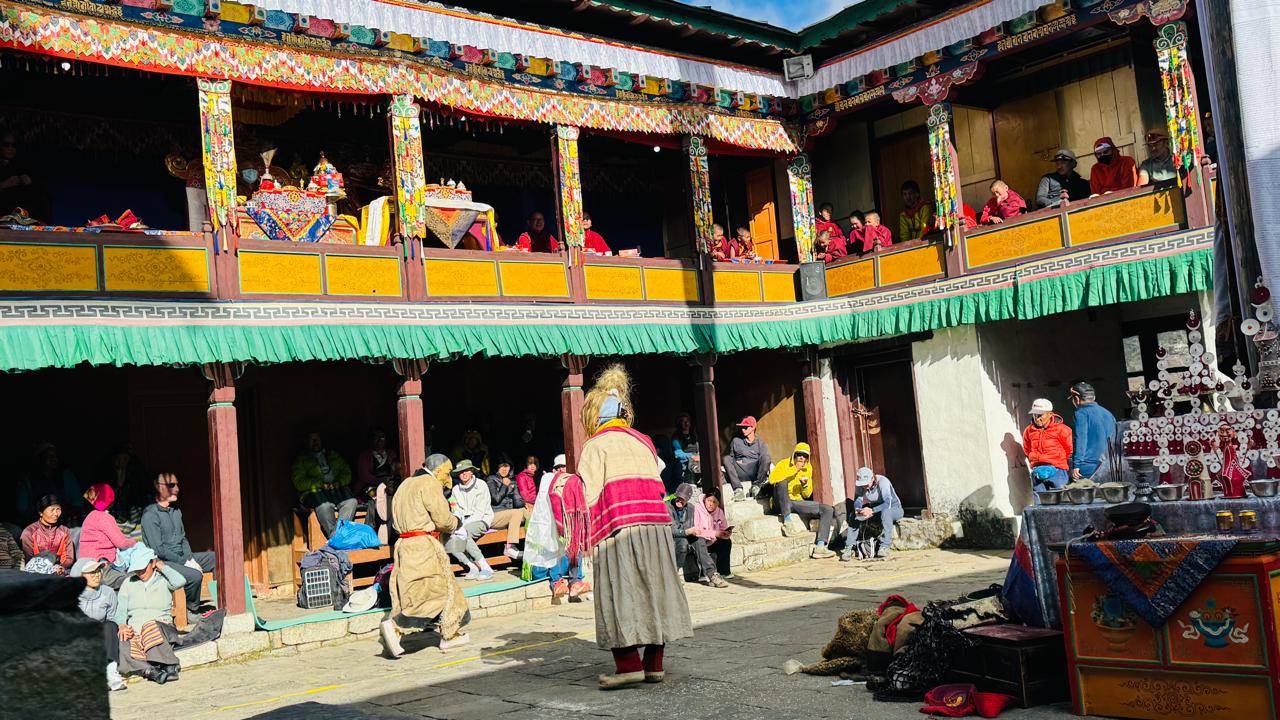
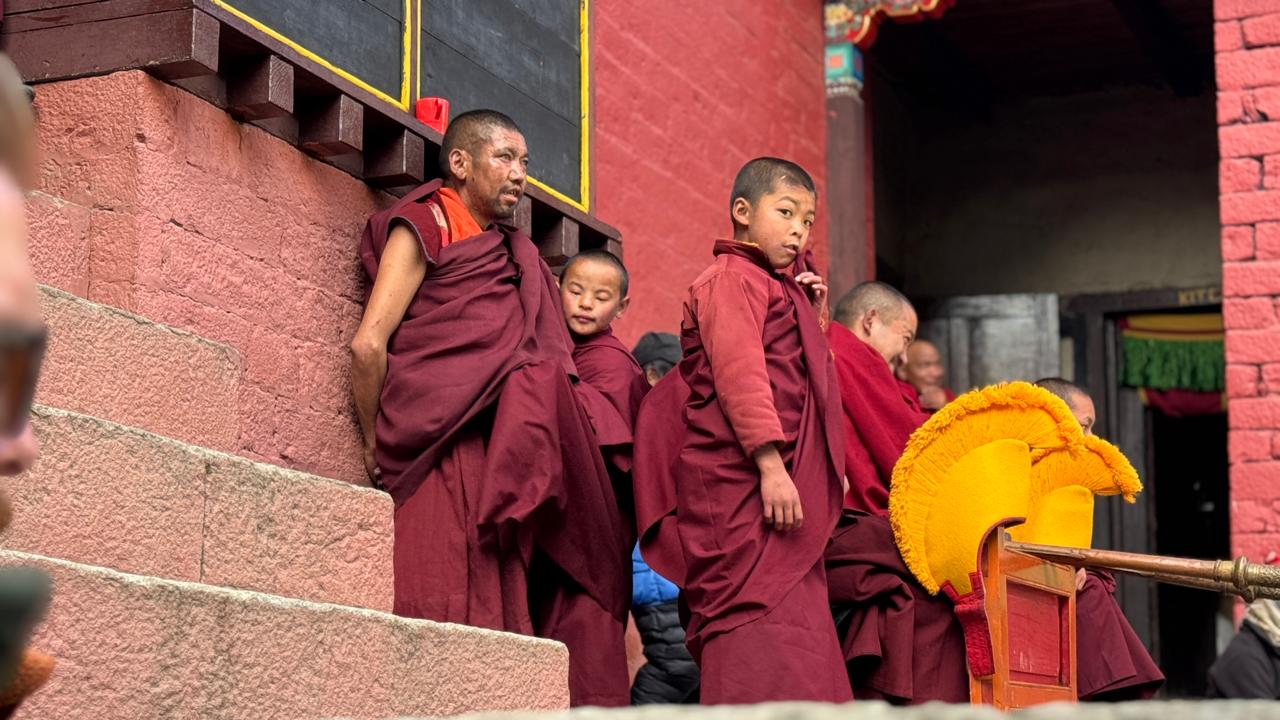
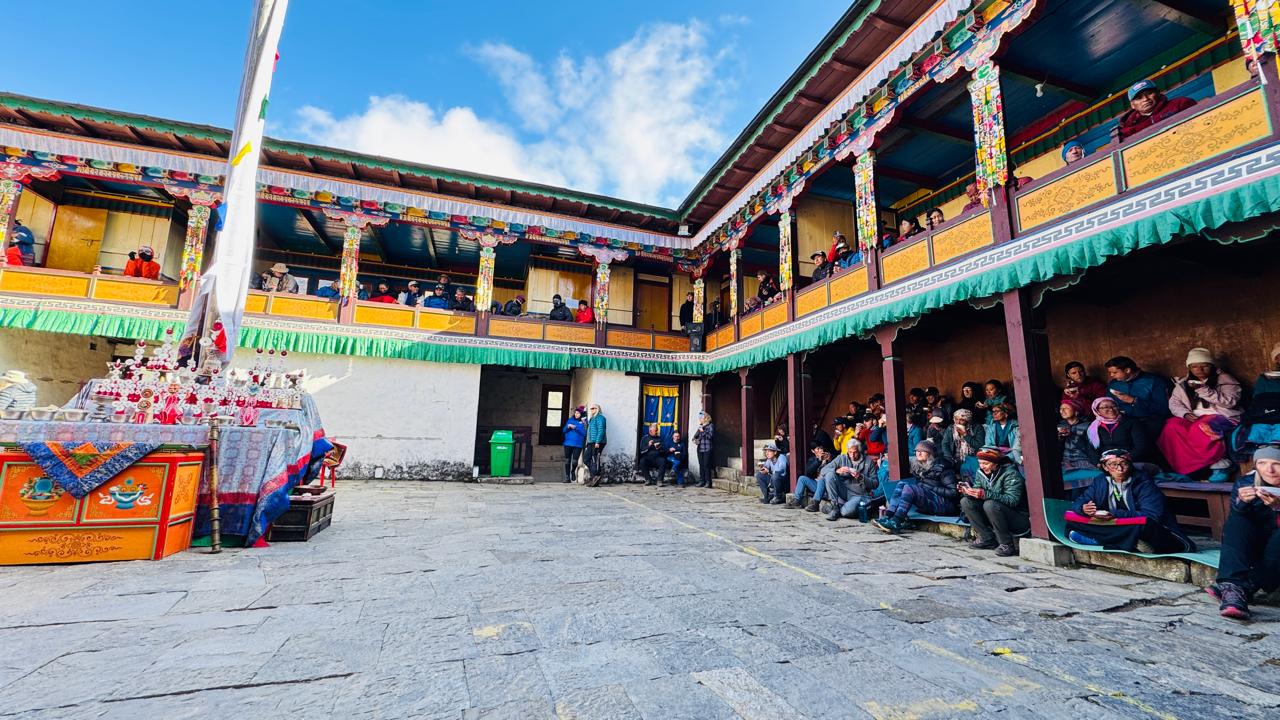
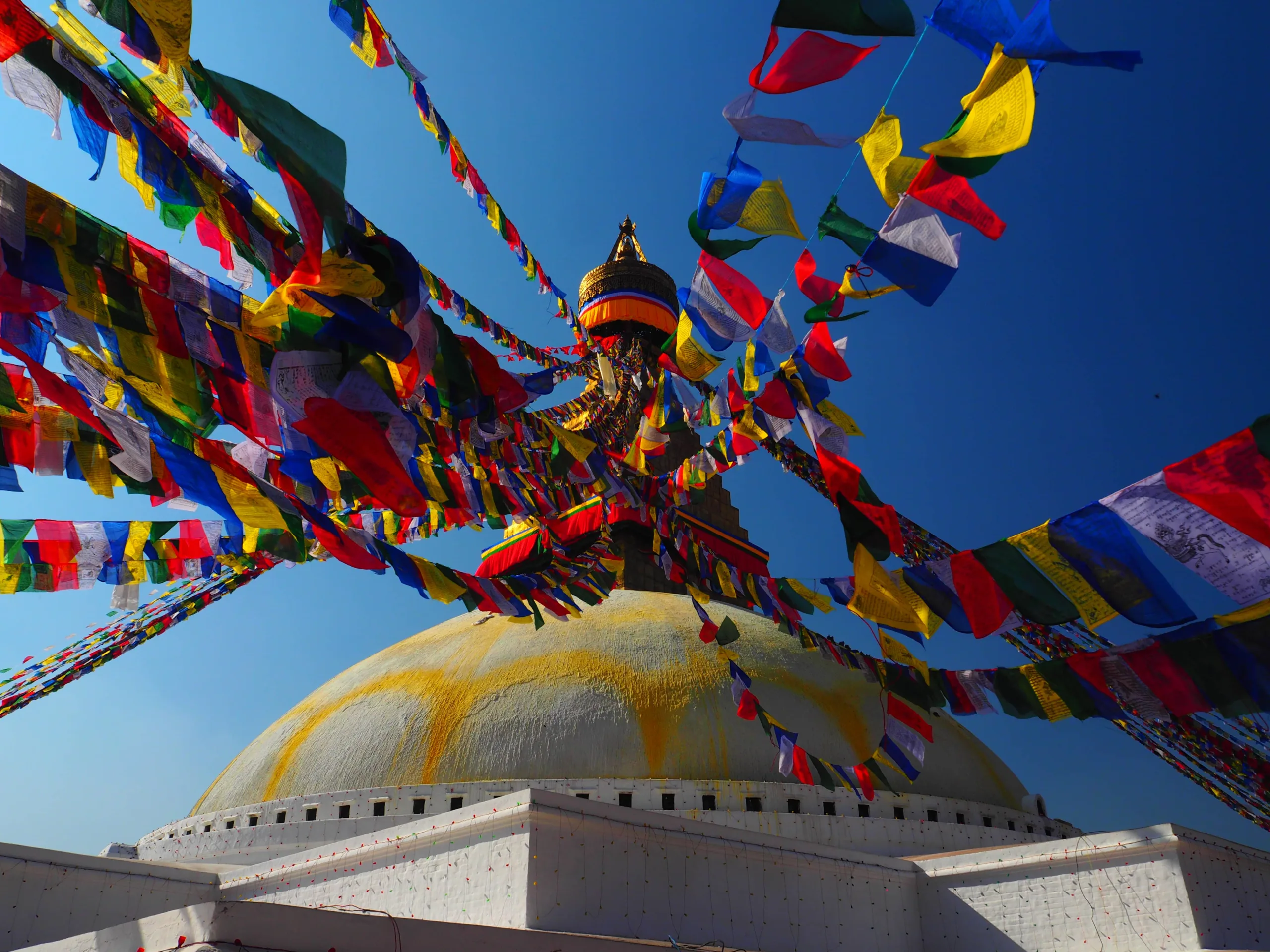
The Mani Rimdu Festival is the Buddhist festival among the major Tibetan Buddhist celebrations observed, practiced and preserved by the Sherpa community in Nepal’s Everest (Khumbu region). It is held at different monasteries in the Everest region mainly at Tengboche Monastery and including other monasteries at Chiwong and Thame. Basically, in the Everest region, Vajrayana Buddhism is practiced and it is celebrated to commemorate the founding of Buddhism by Guru Rinpoche (Padmasambhava). This is the tradition which symbolizes the triumph of compassion and wisdom over the negative energies.
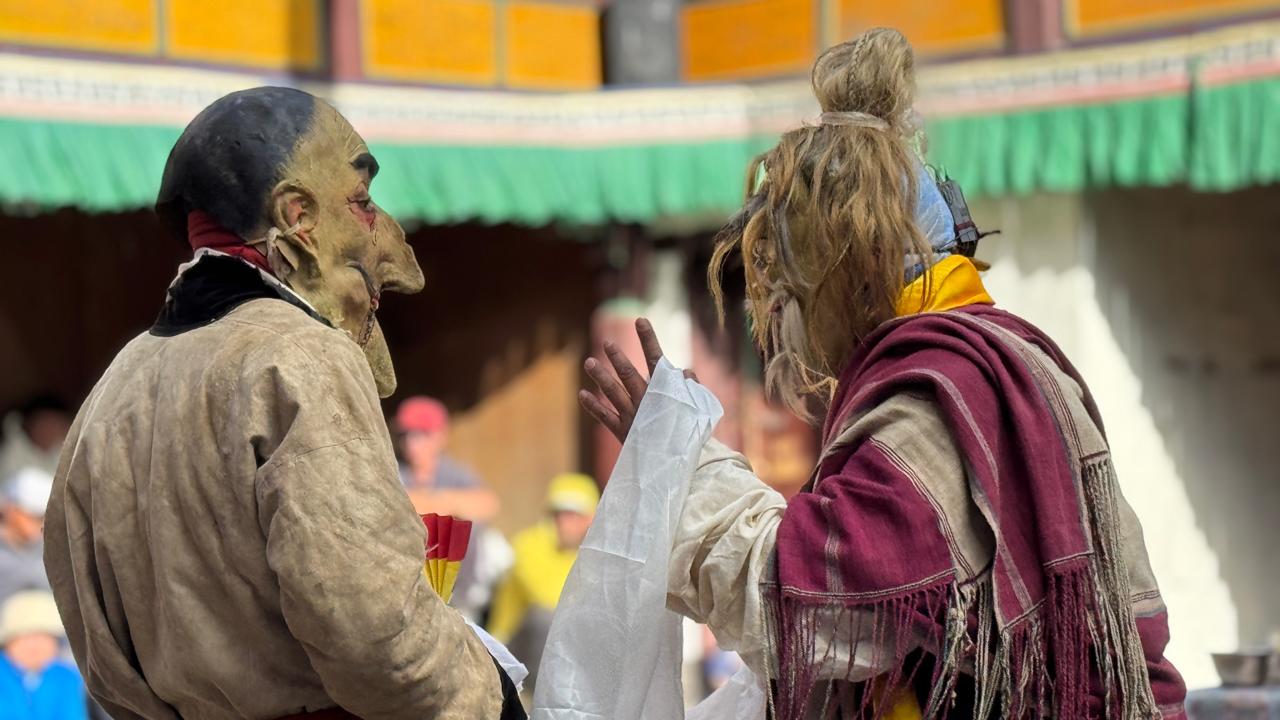
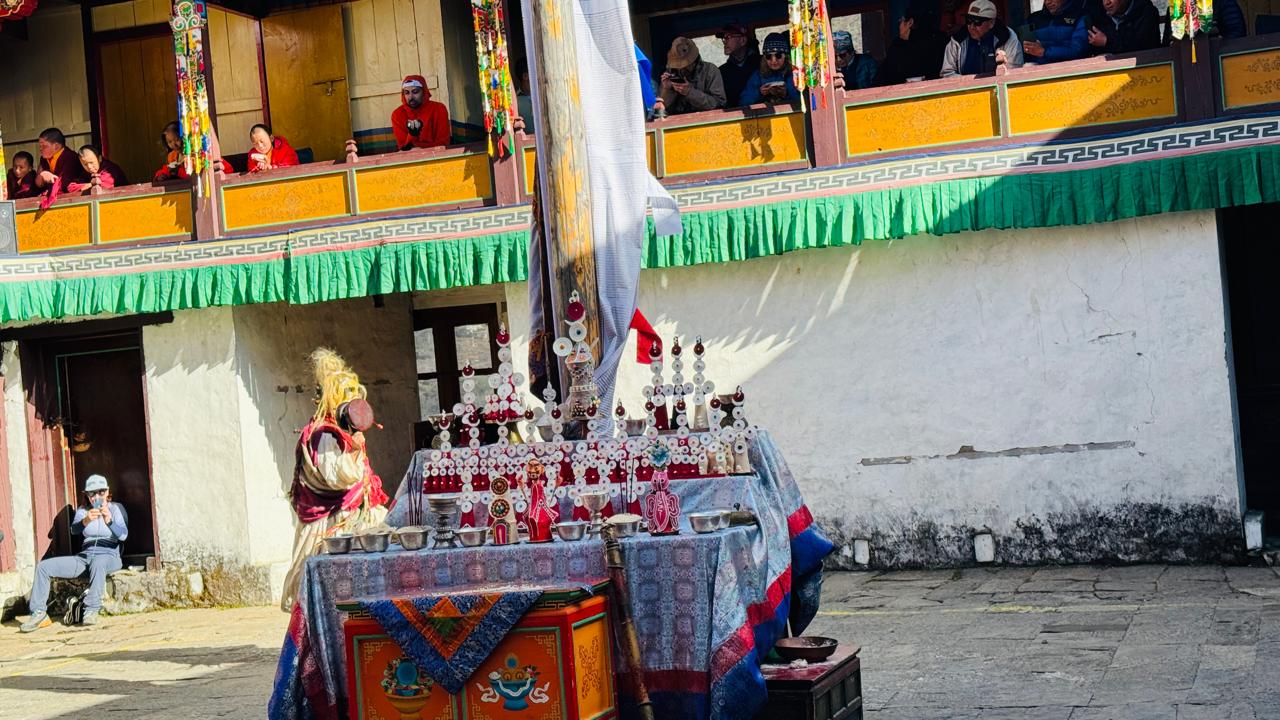
Basically, Mani Rimdu is a sacred Buddhist festival that symbolizes the victory of Buddhism over evil and ignorance. It is celebrated several days. During this period, the sacred rituals, prayers, empowerment ceremonies (Wong) and dramatic cham dances are performed. Cham dances are the sacred masked dance performed by the Tibetan Buddhist monks. With divine figures and protectors, the Buddhist festival, Mani Rimdu Festival brings the locality together sharing peace, harmony, prosperity, protection and victory over the evil forces. It is also the festival where the masked dances are performed also known as Cham dance representing the Buddhist deities, moral teachings and protectors. All these practices and belief system makes this Buddhist festival deeply meaningful for the local Sherpa community.
Photography Tips for Mani Rimdu Festival
The major aspect of being polite is to respect monastery rules. You should always ask permission before photographing monks or rituals as we know that some ceremonies may be restricted. It is better advised to use a fast lens as it is observed closely that the masked cham dances involve movement in low light. Meanwhile, you avoid flash as the flash photography can disturb rituals and is often prohibited inside monasteries.
Cultural Etiquette and Respectful Behavior During the Festival
During the Mani Rimdu Festival, you should always be aware about the importance of being respectful and mindful since it is a sacred event. You can dress modestly and keep your voice low so that it doesn’t impact the prayers and rituals. It is the event where you should grab the positive energy with proper respect and discipline. You have to remove shoes while entering the monasteries and walk clockwise in religious sites and avoid touching the sacred objects. It is vital that you become patient and observe quietly as this particular Buddhist festival is the spiritual celebration and peaceful event.
Himalayan Landscapes on the Mani Rimdu Trek
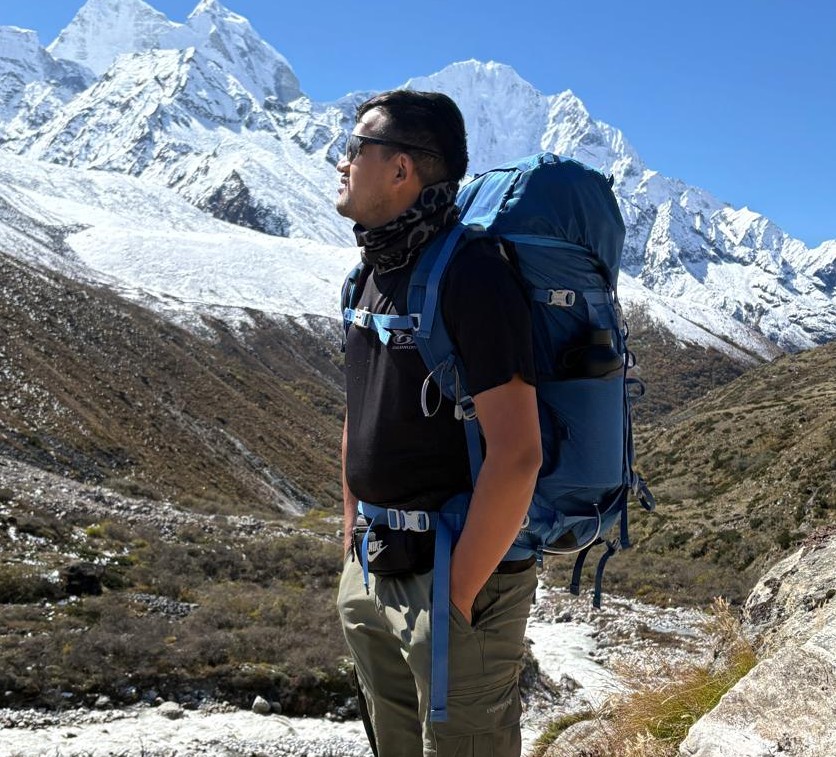
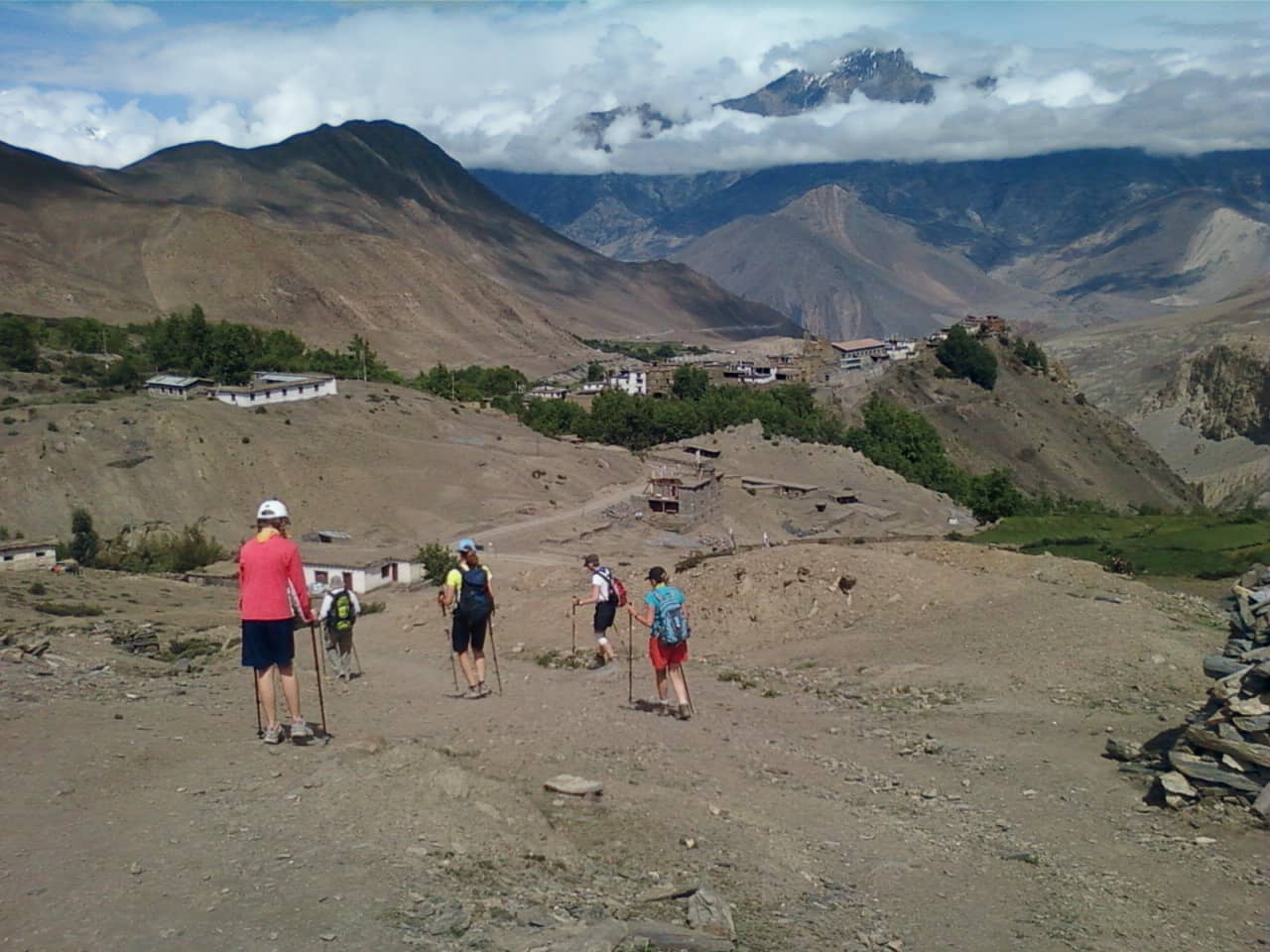
Mani Rimdu Festival Trek doesn’t only catch the beauty of cultural immersion, but also includes the panoramic views of Mount Everest, Ama Dablam, and Lhotse. The trek to Mani Rimdu typically follows the classic Everest trekking route through the Khumbu Valley.
This particular trek is the region which is also referred as the museum of mountains. You can go through the majestic mountain ranges that makes your trip full of enjoyment and fun. The Buddhist festival trek usually starts from Lukla, trekkers pass through traditional Sherpa villages such as Namche Bazaar, Khumjung, and Pangboche before reaching Tengboche.
The Mani Rimdu Festival Trek is usually better to do in the autumn season typically starting from October or November. This Buddhist festival trek offers the perfect weather conditions in the Everest region and during this time weather is stable and skies are clear. Furthermore, this season provides excellent trekking conditions and spectacular mountain views while coinciding with the festival dates. However, you need the proper acclimatization and planning which are essential factors to be taken into consideration. This is because the trek reaches elevations above 3,800 meters at Tengboche which can be the factor for the Altitude Sickness.
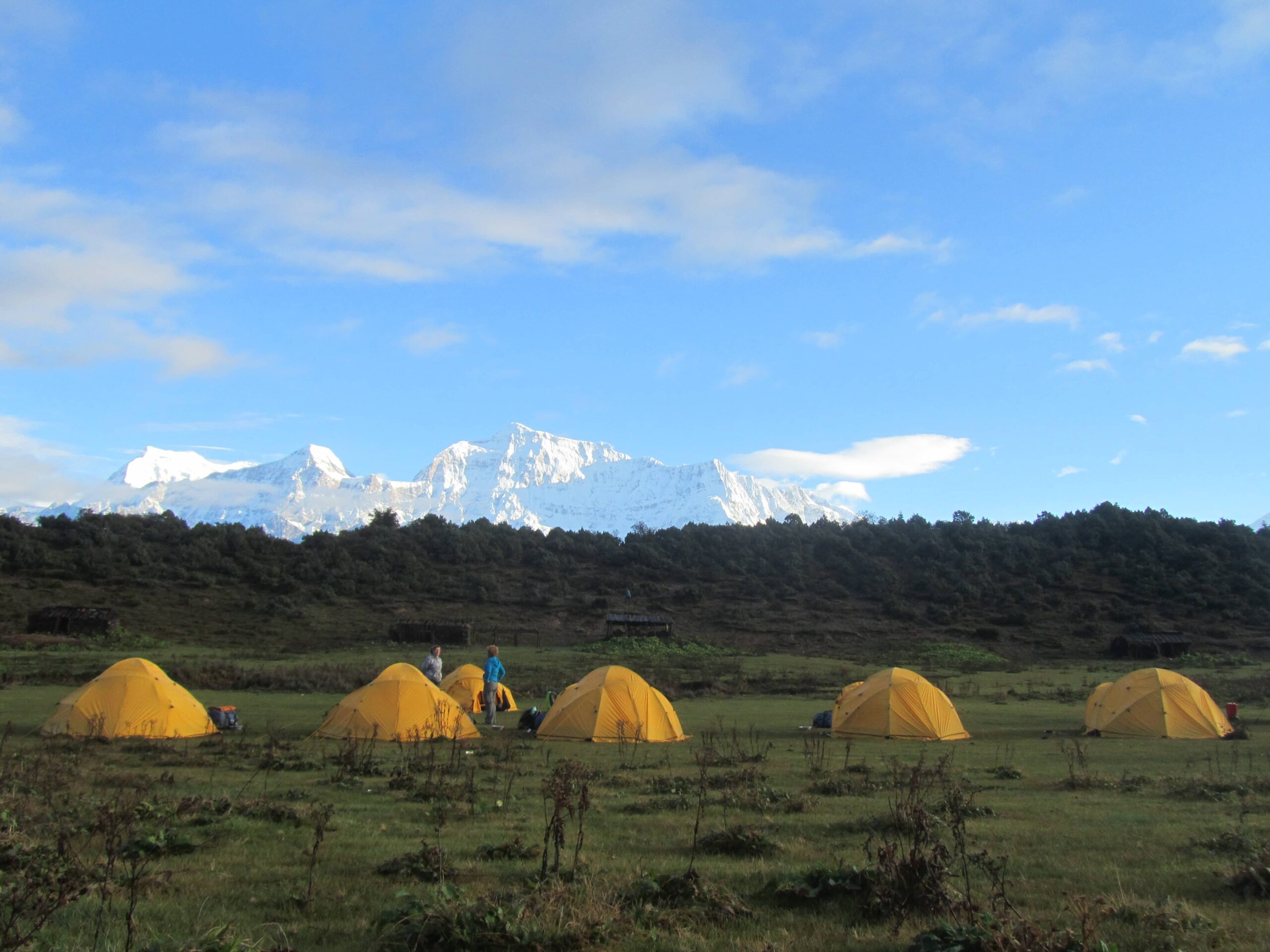
Overall, the Mani Rimdu Festival Trek in Everest is ideal for travelers seeking more than just an adventure. This blending experience makes you feel otherwise taking you away from the chaos. Along the way, trekkers experience high-altitude landscapes, suspension bridges, rhododendron forests, and ancient monasteries, creating a perfect blend of natural beauty and cultural discovery.
Along with this, you can explore more of the Everest region during the Mani Rimdu Festival trek with options availabel for Everst base camp trek, Everst panorama trek, Everest base camp via Gokyo Trek and many more.
Trip Highlights
- Experience the Mani Rimdu Festival at the sacred Tengboche Monastery
- Witness traditional masked cham dances and Buddhist rituals
- Enjoy stunning views of Mount Everest, Ama Dablam, Lhotse, and Thamserku
- Trek through beautiful rhododendron and pine forests
- Visit traditional Sherpa villages like Namche Bazaar, Khumjung, and Pangboche
- Walk across iconic Himalayan suspension bridges
- Explore ancient monasteries, stupas, and mani walls along the trail
- Experience authentic Sherpa culture, hospitality, and local lifestyle
- Trek during the clear and colorful autumn season
- Combine spiritual, cultural, and scenic trekking in one unforgettable journey
Equipments
A detailed gear list is crucial for trekking. With Access the Asia Treks, we ensure the clients safety, comfort and success in the challenging Himalayan environment. To support clients who doesn’t have personal specific equipment, Access the Asia Treks offers rental facilities for high-quality trekking gear, ensuring that all participants are properly equipped. This service not only guarantees safety but also makes the adventure more accessible and stress-free, allowing trekkers to focus on the experience while adhering to professional safety standards.
Here’s a list of essential gears for trekking:
Clothing:
Upper Body:
- Base Layers – Moisture-wicking t-shirts (2-3) and Thermal tops and bottoms (2 sets)
- Mid Layers: Fleece jacket or Down jacket (lightweight but warm) – 2 (Down jackets can be hired in Nepal)
- Outer Layers: Waterproof and windproof jacket and Waterproof trekking pants
- Neck Gaiters
Lower Body:
- Trekking pants (2-3 pairs), Thermal leggings and Hiking shorts (optional)
Head and Hands:
- Hat or cap, wool hat, neck gaiter and Lightweight gloves (Insulated gloves)
Footwear:
- Trekking boots (waterproof), Camp shoes (sandals or sneakers) and Wool or synthetic trekking socks (3-4 pairs)
Backpacks and Bags:
- Large duffel bag (for porters) – (Provided by the company)
- Daypack (30-40L, for personal items)
- Waterproof rain covers for backpacks
Sleeping:
- Sleeping bag (rated for cold weather, depending on the trek) – (Can be hired in Nepal)
- Sleeping bag liner (optional for extra warmth)
Trekking Gear:
- Trekking poles (adjustable, lightweight) – Optional
- Headlamp (with extra batteries)
- Sunglasses (UV protection)
Personal Items:
- Water bottles (insulated)
- Water purification tablets or filter
- Quick-dry towel
- Toiletries (biodegradable soap, toothpaste, wet wipes)
- Sunscreen
- Lip balm
- First aid kit (basic, including medication)
- Hand sanitizer
- Cash for your personal expenses as per your necessity
Miscellaneous:
- Snacks and energy bars
- Power bank and charging cables
- Camera (optional)
- Trekking permits and documentation (Provided by the company)
- Travel documents (Passport and Travel insurance)
- Plastic bags (for wet or dirty clothing)
- Duct tape (for repairs) – (Provided by the company)
Optional:
- Lightweight crampons (for icy sections, if necessary) – (Can be hired in Nepal)
- Portable altitude chamber or oxygen (if the trek includes extreme altitudes) – (Provided by the company)
- Personal thermos for hot beverages
- This gear list should be customized based on the specific trek, altitude, and weather conditions.
Company provides the following facilities regarding the trekking gears
Duffle bag – Company provides the duffle bag to carry all your trekking gears except your light luggage during the trek.
Company provides you the renting facilities of the gears and you can rent the gears in Nepal and you have to pay on your own. The gears renting costs around USD 2 to USD 2.5 per day.
Note: If there is any damage in the rented gears, then you must reimburse for the damaged material as per its original cost.
ADVISORY
- Non-bio degradable materials are not allowed to dispose in the trekking route randomly.
- Proper follow of the guidance provided by the leader/guide of the trek.
- Alcoholic beverages and other intoxicating substances are highly discouraged.
- There might be the chances of bad weather so be prepared for the inconvenience caused by the unpredictable weather.
- Try to be mentally and physically prepared before this trek with few short hikes before this trek is highly recommended.
IMPORTANT THINGS REQUIRED
- Passport
- Few passport size photos for TIMS and other official documents
- Personal trekking equipment
- Snow goggles
- Personal handbag and luggage
- Snacks and sweets like chocolate bar (if required)
- Warm clothes, down jacket and multilayered clothes
- Trekking shoes
- Some personal items and sunscreen/sun cream
- Water bottle and hat
PRELIMINARY AND KEY NOTES
- Greeting ‘Namaste’ (your palms held together) is the most respectful and attractive way to greet somebody and is practiced profoundly.
- Accessibility of internet and phone calls can be made efficient using the mobile SIM Card provided by the company itself or you can buy easily in the local market. All you need is one passport sized photo and a photocopy of your physical passport in either case.
- There are lots of major cultural heritage sites in Kathmandu along with the ancient monasteries and sculptures. Photos are not taken unless you have asked for the permission.
- The nightlife in Kathmandu is mostly safe and concentrated in Thamel area, one of the busiest destinations for foreigners to hang out with varied options of bars, restaurants and other places to choose from. Somehow, other areas including small towns are closed before 10pm.
- Nepalese people are friendly, truly kind and incredibly welcoming as there is a phrase in Nepali culture ‘Guests equal Gods’. Out of the blue moon, there are several chances of being cheated. Saying this, you are somehow prone to possible travel scams. Keep yourself and your belongings safe, if you are travelling solo. It is highly recommended to have one experienced guide, taking safety into consideration.
PAYMENT INFORMATION
To confirm you’re booking with Access the Asia Treks, payment for the selected trek can be made via bank transfer. Please ensure that all applicable bank charges, including transfer fees or intermediary bank fees, are covered by you at the time of payment. This will help us receive the full amount without any deduction.
Once the payment is sent, kindly provide us with the transaction details or remittance slip for verification.
If you experience any issues during the payment process or require assistance of any kind, please feel free to contact us immediately. We are always available to support you and ensure a smooth and reliable booking experience.
GEAR RENTAL AND TREK INFORMATION
For your convenience, we provide the option to hire trekking gear in Nepal. This includes essential items such as:
- Trekking poles
- Sleeping bags
- Down jackets / fleece jackets
- Crampons and other technical gear (for high-altitude treks)
We recommend renting gear locally only if you do not already own quality trekking equipment, as renting ensures reliable and well-maintained gear suited for Nepal’s conditions.
FULL TREK PREPAREDNESS
To ensure a safe and enjoyable trek, please make sure you are fully prepared before departure:
- Proper Clothing: Layered clothing, thermal wear, waterproof jackets, trekking shoes, gloves, and hats.
- Health and Safety: Carry a basic first aid kit, personal medications, and consider altitude sickness medication if trekking above 3,000 meters.
- Fitness: Moderate to high physical fitness is recommended depending on the trek’s difficulty level.
- Essential Gear: Backpack, water bottles, headlamp, sunglasses, sunscreen, and personal hygiene items.
- Documentation: Passport, necessary permits (Provided by Access the Asia Treks. Inclusive in package), travel insurance, and emergency contact information.
Being fully equipped and prepared ensures a comfortable, safe, and memorable trekking experience in Nepal.
TREKKING PACKAGES – TAILORED FOR YOU
We offer three types of trekking packages to suit your preferences and budget:
- Economy Package – Ideal for budget-conscious travelers who want a basic yet comfortable trekking experience.
- Standard Package – A balanced option offering enhanced comfort, quality accommodation, and well-planned itineraries.
- Luxury Package – Designed for those seeking premium comfort, exclusive services, and top-notch amenities throughout the trek.
All our packages are flexible and customizable, allowing you to tailor your trek according to your personal preferences, schedule, and interests.
Visa Requirements
Access the Asia Treks provides you the full information prior to the trek. Our representatives are always standby to support you in every situation from the beginning to the final departure. We try our best to make you feel like home with supportive staffs and friendly environment.
You can get VISA on Arrival at Tribhuvan International Airport; or online in advance through Nepal’s Department of Immigration website (for a pre-arrival application).
You will need:
- A passport valid for at least six months beyond your arrival date
- A passport-sized photo (if applying on arrival)
- Visa fees in cash (USD or major currencies)
Welcome and escorting to hotel
Upon your arrival at Tribhuvan International Airport in Kathmandu, you are warmly welcomed by a representative from Access the Asia Treks highlighting the Nepali tradition. You are then escorted to the hotel, where you can take some time to rest and settle in after your journey to Nepal.
Depending on your flight’s arrival time, the trip briefing will be conducted either the same day or the following day.
Guide & Safety Information
You are provided with an experienced leader who can lead you to your destination with proper supervision and care. You are taken care of your comfortable stay and day to day supervision of your balanced diet, water intake, gradual ascend and proper sleep.
As Altitude Sickness is most probable in this region, thus, proper acclimatization and day to day strategy is necessary which is taken into proper consideration from our staffs.
During emergency situation, evacuation procedure is also made standby and your travel insurance must be provided before the trek which must cover the higher altitude evacuation with medical expenses.
Transportation Facilities
Access the Asia Treks provides reliable and comfortable transportation facilities suitable to the category of your trekking package. Transportation is arranged on either a private or sharing basis, depending on the selected itinerary and service chosen.
- Private Transportation
- Sharing Transportation
Whether traveling on a private or sharing basis, Access the Asia Treks ensures smooth transfers between airports (Private only), cities (Private only), and trekking trailheads (Private or Sharing) according to your package category.
Note: For transportation facilities, you can consult with our staffs for more information.
Eco-Friendly & Responsible Trekking
At Access the Asia Treks, we are committed and dedicated to promoting eco-friendly and responsible trekking practices that preserve the natural environment and support local communities.
Our staffs are well trained and provided with proper training for the responsible trekking. Our treks are designed to make lesser environmental impact while supporting cultural respect and sustainability. Cultural immersion, healthy participation in community activities and respecting their cultural and natural values are our priorities.
We encourage the “Leave No Trace” principle by reducing waste, avoiding single-use plastics, and ensuring proper disposal of all non-biodegradable materials. We look forward to creating the trekking campaigns supporting the nature and preserving its values for future. We work closely with local guides, porters, and communities to support the local economy and preserve traditional lifestyles.
Our trekking routes prioritize conservation areas, and we strictly follow government and park regulations to protect wildlife, forests, and fragile mountain ecosystems. We are always committed in respecting the laws to promote the Government and local people initiation to save the nature.
By choosing eco-friendly trekking with us, you can contribute to environmental preservation while enjoying an authentic and responsible Himalayan adventure.
Help & Support Services
Access the Asia Treks provides necessary information and comprehensive help regarding your stay in Nepal. Our professional dedicated team is committed to assisting you from your planning to the competion of the trek.
Pre-Trip Support: Before your trek begins, our staff offers personalized details to assist you choose the most suitable trekking package based on your interests, fitness level, and travel time frame.
Transportation & Accommodation: We manage and assist you with arranging transportation to and from trekking starting points, whether on a private or sharing basis, according to your package category. As per your interest and service needed, our team also provides sufficient information regarding accommodation options.
On-Trek Guidance & Safety: After your arrival, we will provide you the trek briefing details for your assurance regarding your trek information, gears and overall details. During the trek, our experienced leader will support you who is government-licensed and well-trained porters. Our leaders provide daily briefings on trekking distances, altitude changes, weather conditions, and safety measures which play the vital role for you to cope up with the altitude minimizing the risk of altitude sickness. Monitoring regarding your daily food intake, water intake, gradual ascend, physical and mental condition along with proper sleep, and emergency response coordination are integral parts of our service.
Emergency & Communication Support: In case of emergencies, we provide 24/7 support and coordination for medical assistance or evacuation services when required. We assist you to manage the travel insurance accordingly.
Post-Trek Assistance: After completion of the trek, we assist you with various options as per your feasibility. We arrange your return transportation, travel extensions, sightseeing arrangements, and onward travel plans. We also welcome feedback to continuously improve our services.
For further details or specific inquiries regarding your trekking package, our knowledgeable staff is always available to assist you.
Trek Briefing Details Provided by Access the Asia Treks
During the official trek briefing, our guide or trek leader will cover all essential details to ensure you are fully prepared and informed. The briefing typically includes:
Trek Itinerary Overvieww
Day-to-day details of the trek and it makes you your vision clear before the trek.
Average trek duration, daily walking hours and the altitude profile to make you understand about the various situations during the trek.
Significant spots and highlights of the trek for you to encounter during the trek.
Safety & Altitude Guidelines
Proper information about the altitude sickness, symptoms and preventive measures. You are introduced with your trek guide so that you feel comfortable to share your opinions regarding it.
Acclimatization days and rest days during the trek for your adaptation with the altitude and the surrounding. This minimizes the risk of Altitude sickness.
You need the travel insurance which covers your emergency evacuation and medical expenses from the higher altitude.
Necessity of oxygen cylinder or portable altitude chambers whenever necessary during the trek or climbing or expedition.
Accommodation & Meals
The information related to mountain accommodation regarding your stay, food, amenities, room facilities, hot water and local tradition.
Meal plans, safe food practices, and dietary options
Packing & Gear Check
We will re-check all your personal gear and clothing whether they match the requirement for the trek or not. If not, we will help you to buy or hire as per the situation.
Recommendations for any missing or optional items that may be rented or purchased in Kathmandu
Weather Conditions & Trail Expectations
Typical weather patterns during your trekking season
Estimated temperatures at different elevations
Terrain details and trekking difficulty levels
Team Introduction
Introduction to the trek leader, assistant guides, and porters
Roles and responsibilities of each team member
Porter weight limits and packing guidelines
Communication & Connectivity
Availability of Wi-Fi, charging facilities, and mobile network
Recommended SIM cards (if needed)
Depending upon the necessity of the satellite phones and emergency contact, we will provide you all the information regarding it.
Insurance & Documentation Check
Verification of travel and rescue insurance
Passport copies, permits, and TIMS/park entry requirements
Final Question & Answer Session
Time for you to clarify doubts
Last-minute advice before departure
Confirmation of departure time for the following day