Nepal is one of the best trekking destination around the world. Nepal is home to the Himalayas, rich culture, and legendary routes like Everest Base Camp and Annapurna. While trekking in Nepal is generally safe, concern about helicopter rescue scams have emerged in recent years, this is especially in high-altitude trekking regions.
Consider this your pre-trek briefing. By the end of this guide, you’ll exactly know how to spot the fraud, protect yourself, and ensure your Himalayan memories are only of breathtaking views – not a breathtaking betrayal.
What is a Helicopter Scam in Nepal?
A helicopter scam refers to the misuse or unnecessary use of helicopter evacuation during the trek, often for the financial gain rather than genuine medical emergency.
In recent cases, trekkers with mild altitude symptoms or non-critical condition were pressured into helicopter evacuations even when safer, cheaper alternatives such as rest, medication or descending on foot were possible during that time.
It is really important to clarify that helicopter rescue are lifesaving and essential when it is truly needed.
The issue arises when evacuations are conducted without proper medical justification.
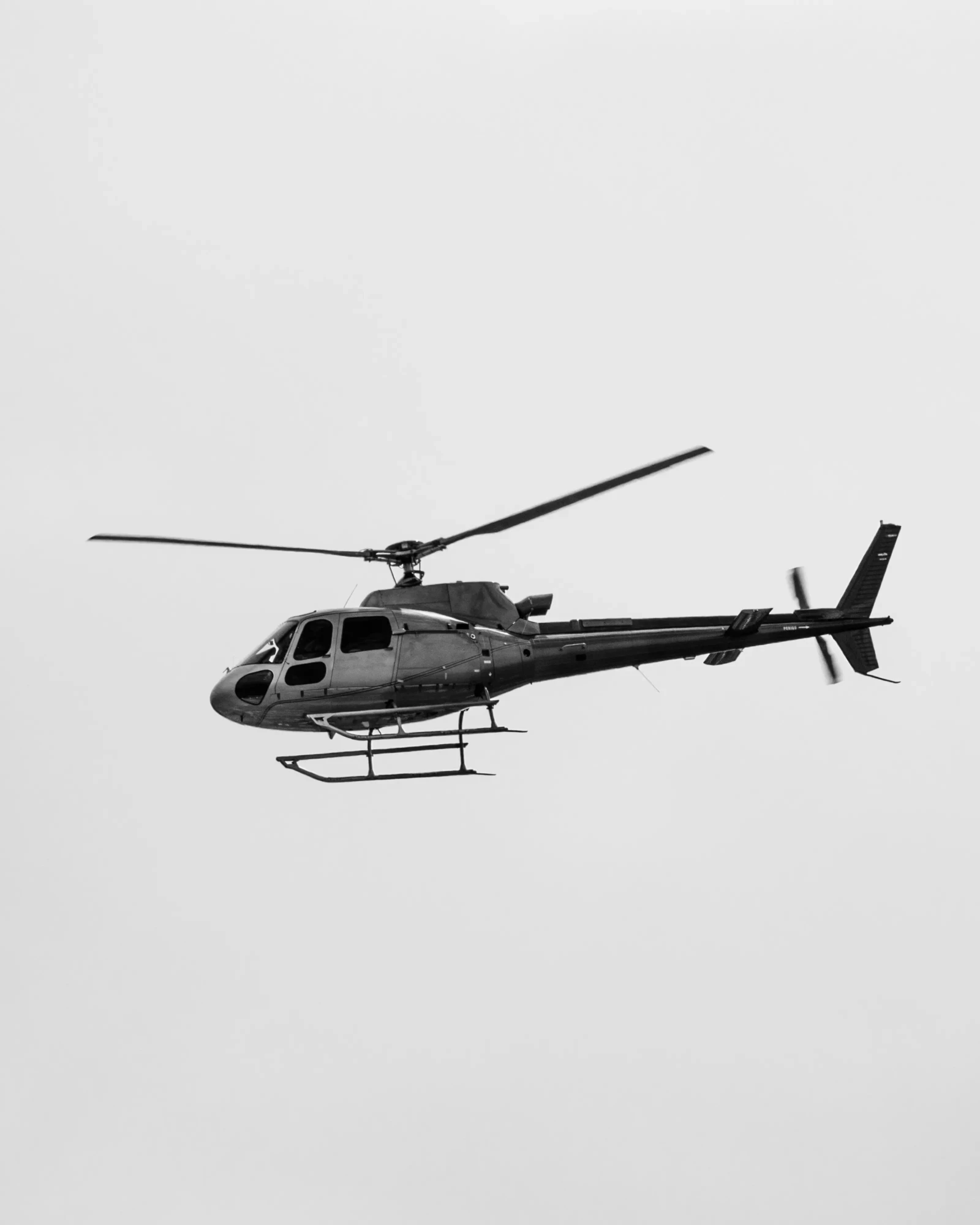
Heli flying in air
How Helicopter Scams Usually Happen
Helicopter scams usually happen when a trekker experience mild Acute Mountain Sickness (AMS) symptoms then, a guide or intermediary insists on immediate helicopter evacuation. Then, you will start to panic and don’t realize to check your health properly. The insurance companies are contacted quickly and then helicopter evacuation is approved, even when walking down was possible.
In some cases, trekker realizes the evacuation was unnecessary, but then the cost has already been billed to the insurance.
Trekking Regions Where Such Issue Are Reported
Most of the helicopter cases of misusing of insurance have been reported, not proven, in this following region:
Everest (Khumbu) Region
Annapurna Region
These 2 region Everest (Khumbu) and Annapurna has high volume rate of tourist and easy access to the helicopter and strong insurance coverage among trekker. This does not mean these regions are unsafe, only that trekkers must be informed and cautions.
Mountain flight- taking off
Who Is Most at Risk?
You may be at risk if you are trekking in Nepal for the first time. If you trekking solo or without licensed guide, then you are at very high risk. If you are unfamiliar with altitude sickness, this may happen, so get proper knowledge about altitude sickness about how it happens and what are the symptoms of it. If you are carrying high value travel insurance, you are already at risk. Just carry the value which is necessary for the trek, for that you can get a reliable information from reliable agency like Access the Asia Treks, who are working since 2016 providing excellent service to every traveler. This is why always rely on verified and government registered company. Always avoid unverified or very cheap trekking service.
Lack of information is the biggest risk, not trekking itself.
Understanding Acute Mountain Sickness (AMS)
This is really important to know how altitude sickness happen and what symptoms it brings.
Mid AMS (Common and Manageable)
Headache
Nausea
Loss of appetite
Fatigue
This are usually treated with rest, hydration, mediation or descent