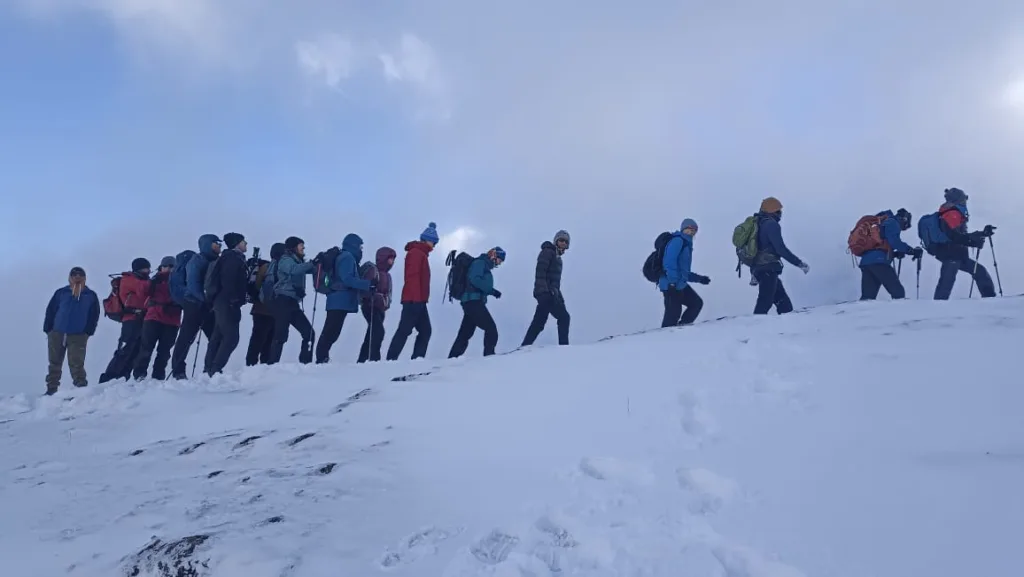
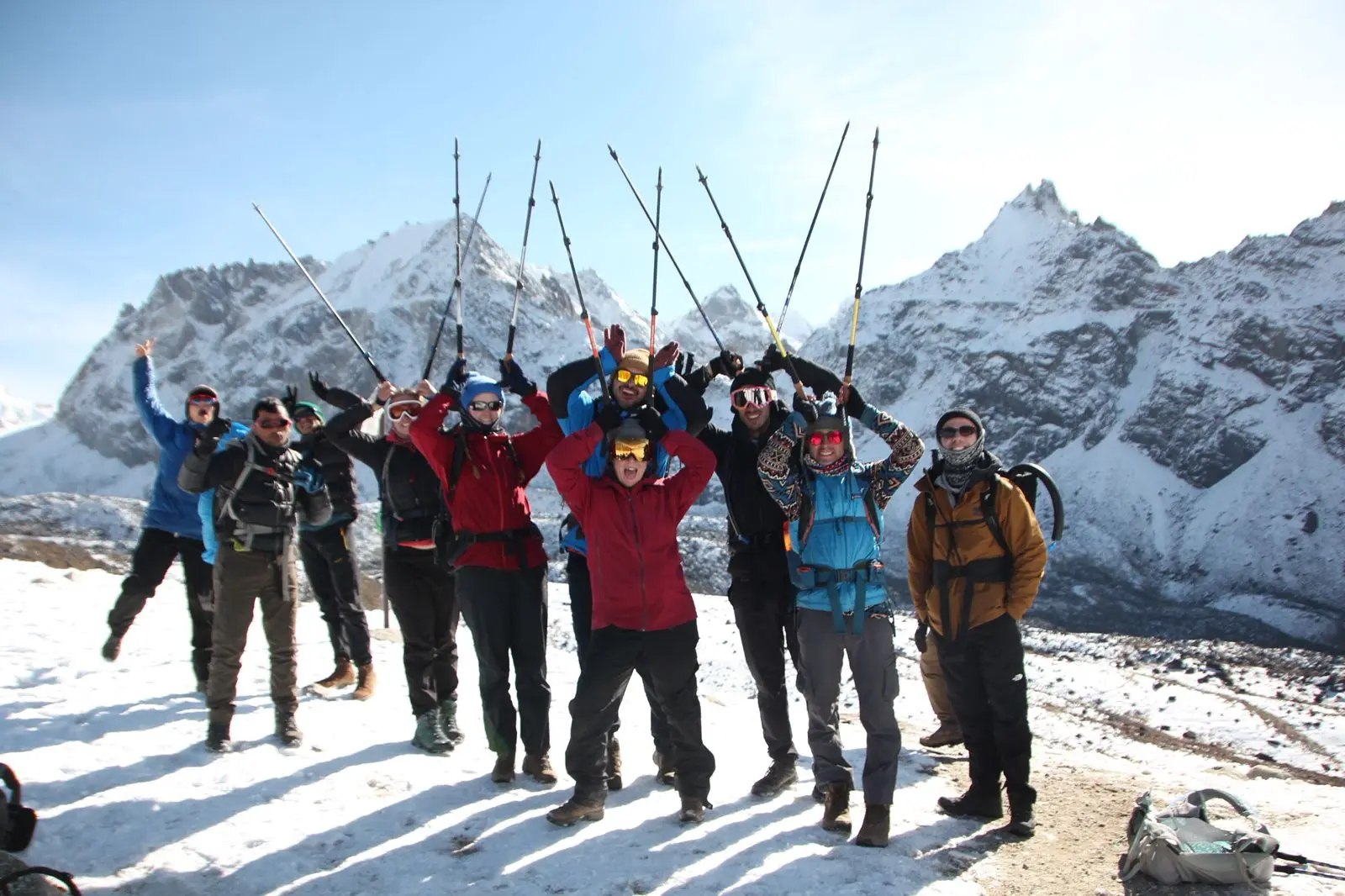
We, Access the Asia Treks, are always providing the meaningful bridge between academic learning and real-world adventure. Our University Trekking Campaign in Nepal involves the special student trekking campaign in the various regions of Nepal. We have brought numerous passionate university students together and made them experience the Himalayas beyond textbooks and classrooms. We aim to combine adventure, leadership development, and environmental awareness into one transformational journey.
We have conducted university trekking campaign in Nepal is some of the iconic destinations of Nepal. Student Everest trekking campaign is one of them. This particular campaign welcomed enthusiast participants from the University of Australia who were eager to explore the high-altitude landscapes and go through the mountain culture and lifestyle. Meanwhile, they challenged themselves physically and mentally for the better outcome for their upcoming adventures. This initiative built resilience, teamwork, leadership skills and responsible travel values among the youth explorers.
However, the main purpose of organizing the trekking campaign dedicated for the University student was to provide students with the experiential learning in the heart of the Himalayas. Participants particularly gained firsthand insight into sustainable tourism, Sherpa culture and the significance of the biodiversity and environmental conservation. Eventually, this journey made the impact both educational and inspiring for the future endeavors.
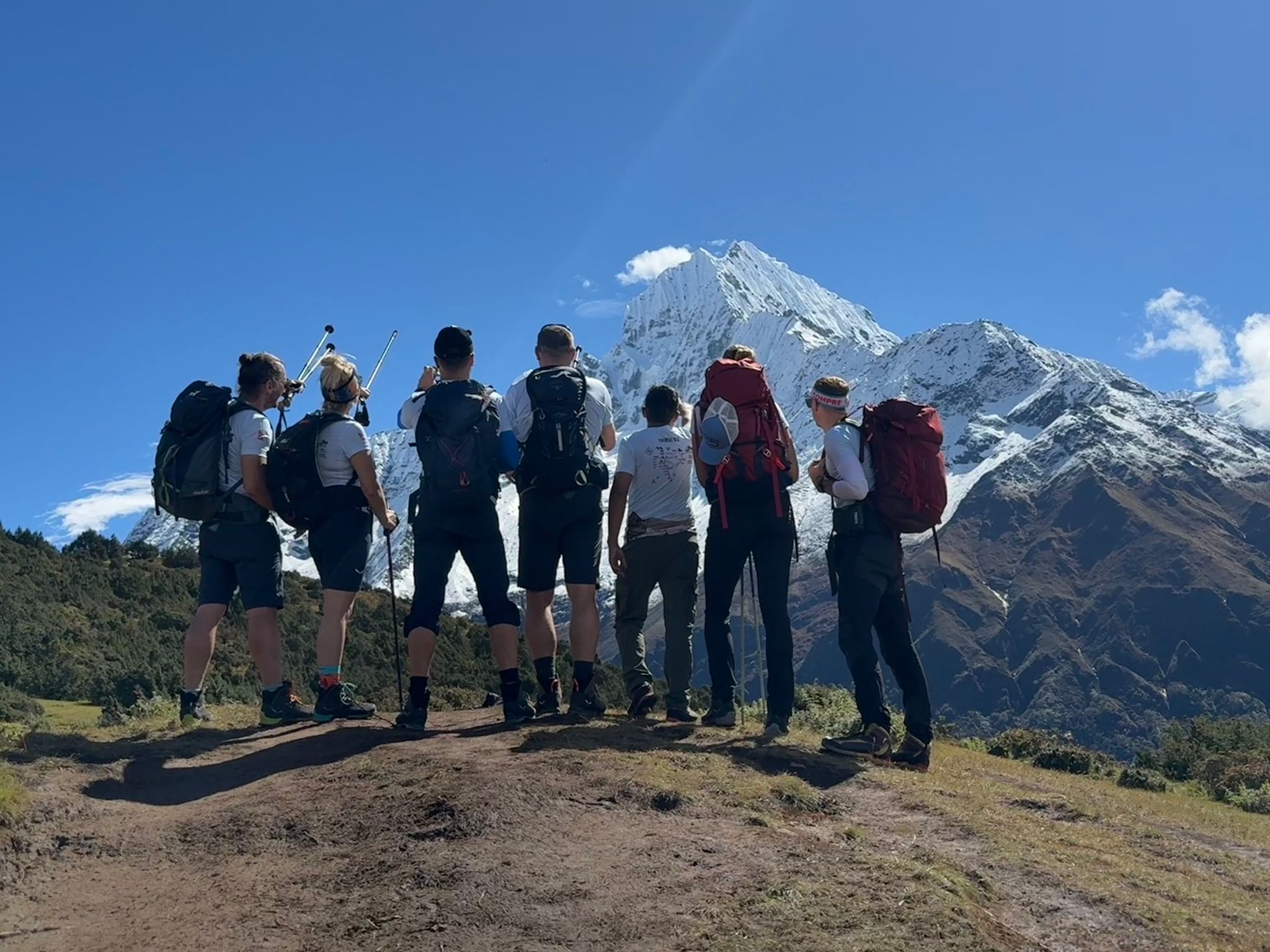
Summitted mardi
Why the Everest Region is Perfect for Student Adventure Learning?
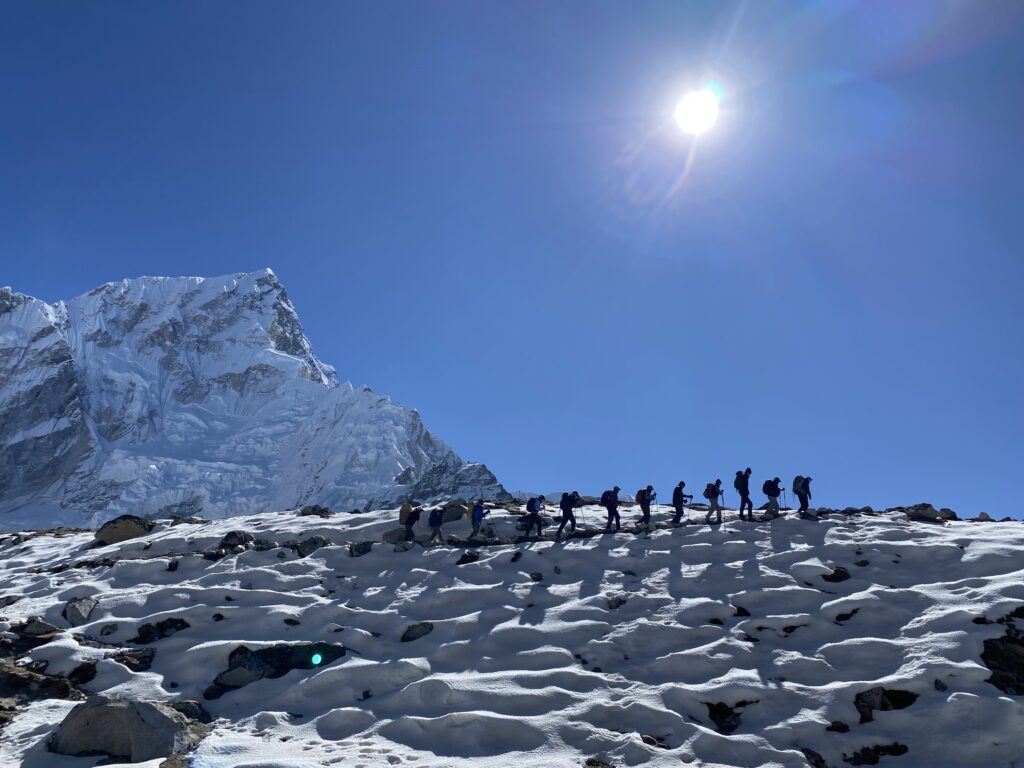
The Everest region trekking experience presents the students with a unique chance to learn the unique mountain setting in the world where glaciers of dramatic depth, deep valleys, alpine forests, and panoramic Himalayan peaks form a unique natural learning platform. The experience of strolling these historic trails enables the participants to observe the different ecosystems and learn how the geography defines life and existence in the mountains.
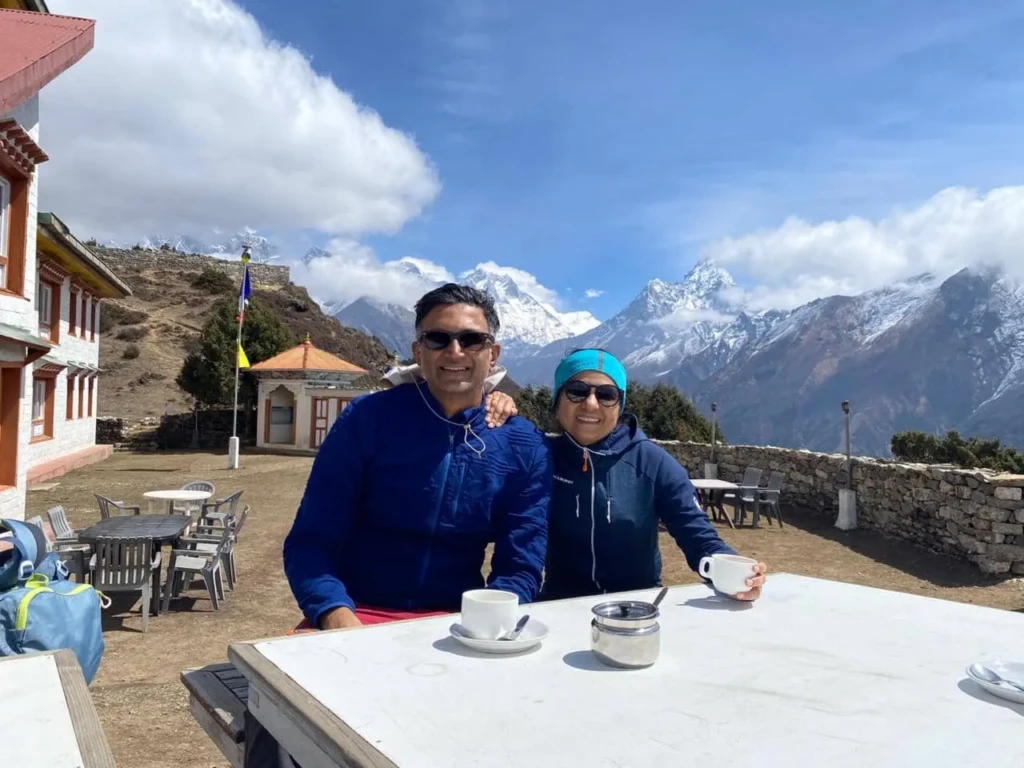
The cultural richness of Sherpa communities is also an equally inspiring element where students can be exposed to a great deal of culture through the cultural features, monasteries, festivals, and warm hospitality of the locals. Engaging the local families, and hearing their stories about the mountaineering tradition make the students appreciate the interrelationships between culture and resilience and living in the mountains.
This is not just an adventure trip but also an educational trek Nepal, and this is the best form of learning far more than in a textbook. With adaptability, collaboration, and environmental awareness cultivated, each person acquires direct experience on the ecology of the mountains, sustainable tourism and cultural preservation would be inspired to work as a team, and experience the Everest first-hand would be not only academically rewarding, but also a personal game-changer.
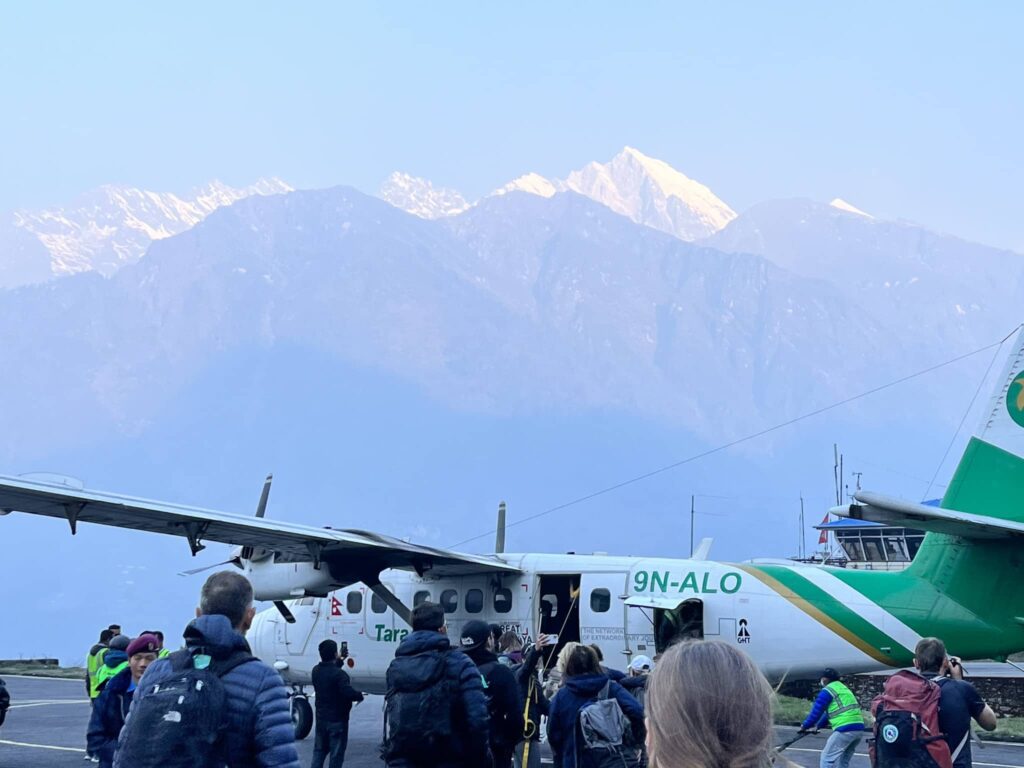
Lukla Airport
Pre-Trek Orientation and Student Preparation
An effective preparation of an Everest trek starts a long time before one takes the trail. In our case of university trekking campaign, we prepared an extensive pre-departure orientation program that gave the students the knowledge, confidence as well as awareness regarding a safe and meaningful journey in the Himalayas. This preparation process was critical in creating awareness amongst all the participants on the physical and environmental duties of trekking in the high altitudes. Meanwhile, we provided students with the orientation program in NATHM (Nepal Academy of Tourism and Hotel Management) where they were provided with the trek related information and overall details about Nepal.
Safety and Altitude Awareness Training
One of the most important components of our orientation was altitude training for students. Since trekking in the Everest region involves significant elevation gain, students were educated about altitude sickness, acclimatization processes, hydration strategies, and recognizing early symptoms of AMS (Acute Mountain Sickness).
Our safety briefing also covered:
Proper pacing and gradual ascent
Emergency procedures and communication
Physical fitness preparation
Mental resilience and teamwork support
This structured Everest trek preparation ensured that students felt confident and physically ready for the challenges ahead.
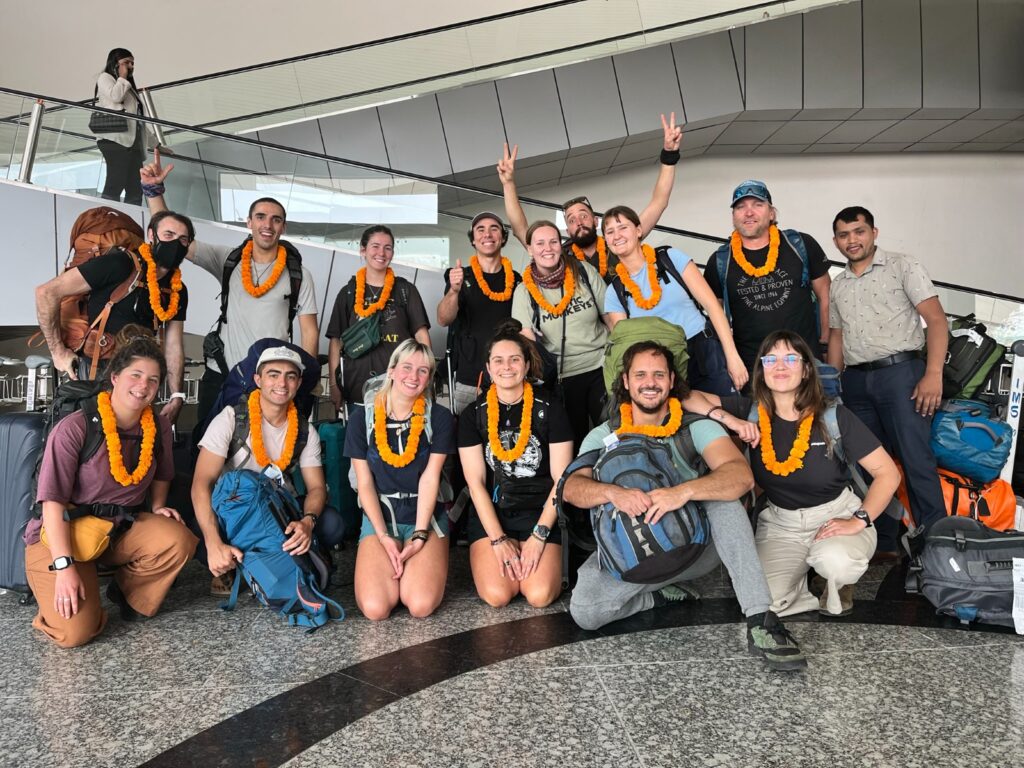
Welcoming our guest in Tribhuvan International airport
Responsible Tourism & Environmental Briefing
As a social responsibility to sustainable travelling, students were properly oriented in responsible trekking habits. We focused on waste disposal, reducing the amount of plastic consumption, saving local traditions, and safeguarding vulnerable mountains.
The idea was to make students realize that trekking in the Himalayas is not only an adventure, but it is a duty to nature and local people.
Trekking Gear and Logistics Planning
High-altitude trekking requires proper gear planning. The students were oriented on how to choose the right layers of clothes, shoes, bag packs, sleeping materials and other necessary personal items. We also had comprehensive checklists that made us well prepared with the changing weather conditions in the Everest region.
There was also logistic planning including route briefings, accommodation information and daily trekking plans, which enabled students to picture the path to be taken in their minds.
The university trekking campaign, with careful preparation of the Everest trek, and organized instructions, made sure that all students set out in the trek with all the necessary knowledge and preparation to enjoy the Himalayan experience.
Our Journey into the Everest Region
Throughout the trek, students had a once in a lifetime experience of the Everest trekking adventure that not only offered amazing views but also provided a cultural experience, as well as personal development. Each of the journeys provided an experience of what it means to stay strong, work together, and what the Himalayan world is like.
Scenic Flights and First Mountain Views
The adventure was to start with an exciting scenic flight that Kathmandu-Lukla offered to the students which gave them the first lay of eyes on the awe-inspiring mountains of the Himalayas. Mountains capped with snow, valleys and curving rivers formed a scene that at first glance gave the impression of what awaited in the trip. The view of Everest, Lhotse and Ama Dablam was a great experience that provided the students with a sense of magnitude and anticipation of the adventure that was to come.
Trekking Through Sherpa Villages
Following the route, students passed through lovely Sherpa villages Namche Bazaar, Phakding, and Tengboche. Traditional stone houses, the waving of prayer flags in the wind, and sincere hospitality of locals could be seen in each village. This part of the trip helped the participants to get a firsthand experience on community members lives, customs, and mountain survival tactics, which is indeed a boost to the student adventure Himalayas experience.
Cultural Exploration and Monastery Visits
The journey was also a chance of going deep into the culture. Students have been to ancient monasteries, attended local festivals, and had been taught about the Buddhist rituals and practices. These experiences made the region spiritually important and fostered cross-cultural knowledge. This approach of integrating adventure with culture helped the students to have a holistic view of the Everest region that was way beyond the normal experience in a normal trekking experience.
The trip into the Everest region was not just a trek through scenic landscapes, community involvement and immersion into the culture, but a change of life experience that the students will be able to experience throughout their lives.
Experts Led University Trekking Campaign in Nepal. Winter Trek in Nepal
Leadership, Teamwork, and Personal Growth in the Himalayas
The Everest University Student Trekking Campaign was not merely and adventure, but was a life changing experience. The challenging roads and the high-altitude conditions of the trips equipped the students with the necessary skills in life that will be long-lasting even after leaving the mountains. This is the ideal leadership environment that could be achieved by walking and gaining experience through this expedition.
Real Challenges Faced by Students
Trekking in the Everest area was a challenge to the physical strength and mental capability. Students faced high climbs, erratic weather and extended walking hours making them go out of their comfort zones. These obstacles pushed the participants to depend on each other, problem-solve in stressful situations, and adjust to the evolving circumstances which are highly important in the academic and work-related life.
Building Resilience and Confidence
Conquering challenges in high altitudes and making it through rough terrain assisted students to develop self-confidence and tenacity. Numerous ones have talked of personal accomplishment upon arriving at important destinations, and how determination and steady effort can get one through the toughest of times. This element of the march made the experience in a great personal payoff.
Outdoor Survival and Teamwork Development
Students also acquired necessary outdoor skills, which included how to navigate, basic first aid, how to manage a campsite, and the strategies of coping with altitude. The need to work as a team to establish camps, organize day hiking as well as enabling one another in challenging tracks created a high level of group work and cooperation. These adventures are a good example of youth adventure Nepal in action where adventure is mixed with learning, leadership and personal development.
At the culmination of the walk, all students not only had seen the beauty of the Himalayas; but had also got stronger, more resilient, and had good teamwork and leadership skills.
Promoting Sustainable and Responsible Trekking
One of the central objectives of the Everest University Student Trekking Campaign was to educate the students about the values of sustainable trekking Nepal, and to make sure that all the participants made responsible decisions on the Everest trekking during the trip. There is no way of enjoying the Himalayas without protecting it hence the theme of the campaign was adventure and eco-friendly.
Waste Management Awareness
Students were educated to ensure that they reduce their ecological footprint through the proper disposal of waste. They were taught segregating garbage, transporting non-biodegradable substances and minimizing single-use plastics. The involvement in trail clean-ups strengthened the innovation of the way group activities can maintain the beautiful purity of the mountains.
Eco-Friendly Trekking Practices
The campaign promoted environment friendly practices that included carrying reusable water containers, not wasting firewood, and not harming wildlife, and avoid going outside the designated paths. These little, regular measures had the effect of making the trek leave little or no adverse effect on the environment.
Conservation Education During the Trek
During the trip, students discussed the topics of biodiversity, the impact of climate change on high-altitude ecosystems and sustainable tourism practices. Combining education through practical learning with trekking, the participants could also have the first-hand experience of the necessity to preserve the delicate Himalayan nature.
By organizing these practices, the campaign has not only provided an unforgettable experience but has also created a lifetime pledge to being sustainable, which has been used as a standard in responsible trekking in Everest.
Challenges and How Students Overcame Them
Any trip in the Everest area is bound by a number of challenges and our University Student Trekking Campaign was not an exception. Students were challenged out of their comfort zones due to harsh weather, high altitudes and demanding trails but these challenges turned out to be growth opportunities, resilience and camaraderie.
Weather and Altitude Challenges
The Everest region is known for its unpredictable weather, ranging from sudden snowfalls to strong winds. Students also faced the physical demands of high-altitude trekking, including thinner air and lower oxygen levels. Through proper acclimatization, pacing, and guidance from experienced guides, students learned to manage altitude-related challenges safely, turning potential setbacks into valuable learning experiences.
Mental and Physical Endurance
Long trekking days, steep ascents, and rugged terrain tested both the mind and body. Students learned to overcome fatigue and maintain focus, developing patience, persistence, and determination. Each successfully completed trail instilled a sense of achievement and boosted their self-confidence, reinforcing the idea that mental strength is just as important as physical fitness in the mountains.
One of the most remarkable outcomes of the trek was witnessing the growth of team spirit. Students supported one another through difficult stretches, shared resources, and encouraged peers facing challenges. From helping a fellow trekker cross a tricky suspension bridge to celebrating collective milestones at camp, these moments highlighted the power of collaboration, empathy, and friendship in high-stakes environments.
By facing and overcoming these challenges together, students experienced not only the thrill of adventure but also meaningful personal and social growth that extended far beyond the Himalayas.
Everest Base Camp Trek Access the Asia Treks Himalayan Nature
Student Testimonials and Memorable Moments
The Everest University Student Trekking Campaign left a lasting impression on every participant, combining adventure, learning, and personal growth. Hearing directly from the students themselves provides an authentic glimpse into the transformational power of the journey.
Anna-Leese K: “Incredible experience with Arjun Khatri as our guide on a university trip. We completed a 12 day trek to Everest Base Camp via Machermo and Chola Pass. Arjun has a wealth of knowledge on the best route, timings and acclimatisation strategies. He organised some incredible staff including Maan and Puran also as guides and all his porters were well looked after and went above and beyond for us. Highly recommend versing the team at a game of volleyball in Namche!
Nepal is a very special place and it was brilliant being taken on trek by Arjun who has 15years experience and is clearly loved and well known by the Didi’s and tea houses along the route. Arjun organised a safe and efficient evacuation for me when I unfortunately hurt myself on trek. I felt extremely looked after and knew I was getting the best care.”
Lilly S: “I was so lucky to be able to do the Everest Base Camp trek through Chola Pass with uni! It was the most incredible and unforgettable experience!
Our amazing guides Arjun, Man and Puran are true embodiments of passion and expertise. Any question that I had for them about the area, they had the answer. Arjun was dedicated to our groups safety and enjoyment, and always had a smile on his face and a joke ready to tell. Our guides friendly demeanour, patience, and willingness to share their insights made them an invaluable part of the group.
I can’t wait to come back to Nepal and do another trek with these guys! I couldn’t recommend them more!”
Impact of the Everest University Trekking Campaign
The Everest University Student Trekking Campaign had a profound and lasting impact on both students and participating universities. By combining adventure, education, and cultural immersion, the program created opportunities for personal growth, academic enrichment, and future collaboration.
Benefits for Students and Universities
Students gained invaluable skills such as leadership, teamwork, resilience, and environmental awareness, which extend far beyond the trekking trails. Universities benefited from offering a unique experiential learning program that complements classroom education, enhancing student engagement and fostering a culture of adventure-based learning.
Future Collaboration Opportunities
The success of this campaign has opened doors for continued partnerships between universities and Access the Asia Treks. Future collaborations could include annual trekking campaigns, research projects in high-altitude regions, and joint environmental or cultural programs, creating a long-term platform for student development.
Internship and Volunteer Pathways
Beyond the trek itself, students were encouraged to explore internships and volunteer opportunities in the Everest region, including sustainable tourism projects, community development initiatives, and environmental conservation programs. These pathways allow students to further their learning, contribute meaningfully to mountain communities, and continue their personal and professional growth.
Through these initiatives, the campaign has set a benchmark for university trekking campaign Nepal, demonstrating how adventure-based experiences can deliver educational, cultural, and social value while shaping the next generation of responsible, resilient leaders.
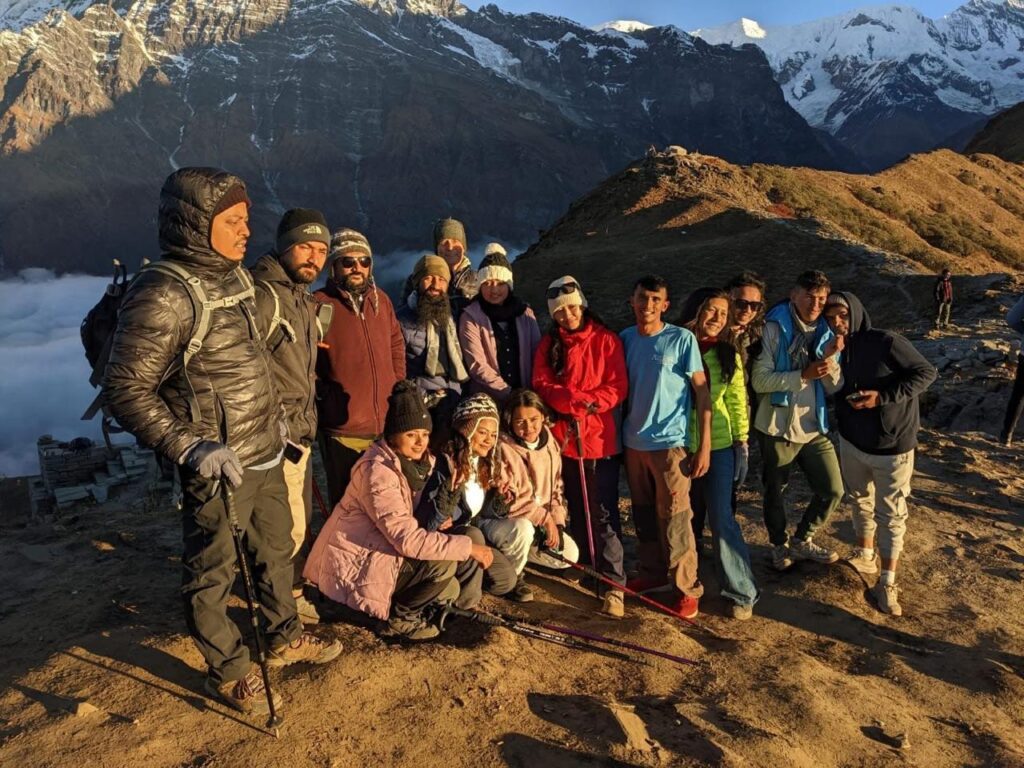
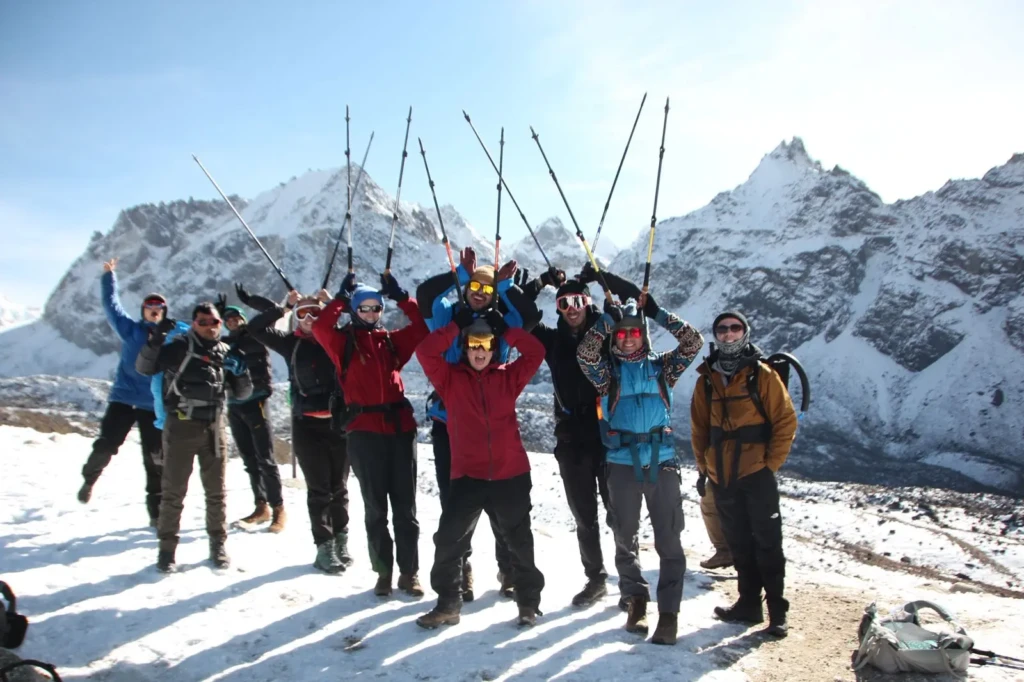
Our group enjoying during trekking
Join Our Next University Trekking Campaign in Nepal
Are you ready to give your students a once-in-a-lifetime Himalayan adventure? Our University trekking Nepal programs offer an unmatched blend of adventure, learning, and personal growth, designed to inspire students and build lasting memories.
Universities and student organizations interested in organizing a student trekking expedition can partner with Access the Asia Treks to plan customized campaigns. Our team will handle logistics, safety, cultural experiences, and educational components, ensuring a seamless and transformational journey for your students.
Contact Information
For more information, inquiries, or to book your next university trekking campaign, reach out to us:
Email: info@accesstheasiatreks.com
Phone: +977-9843080446, 9841949083 (WhatsApp)
Website Contact Form: Access the Asia Treks Contact Form
Explore Our Other Everest Trekking Programs
If you want to learn more or explore additional trekking opportunities for students, check out:
Partner with us to create a student trekking expedition that your university will remember for years to come. Adventure, education, and personal growth await in the heart of the Himalayas.