How Access the Asia Treks Ensures Your Safety in the Himalaya?
The mountain in Nepal is resided in the higher altitude and require multiple days to reach there with gradual ascend everyday. As the mountains in Nepal are in the higher altitude, the proper preparation is the most. The mountain region starts from 3000m and from here the altitude sickness starts to appear. Altitude sickness is one of the most important topics every traveler should understand before trekking in Nepal.
The trekking in Nepal is usually located in the higher altitude. Therefore, we should take proper care of the altitude sickness precautions and pre-preparation. Whether you’re heading toward Everest Base Camp, Island Peak, Annapurna Circuit, Manaslu, or any high-altitude region, proper awareness can make your journey safer and far more enjoyable. Access the Asia Treks provides you with all the necessary information and important guidance for your safety and successful journey.
This guide explains everything about altitude sickness in Nepal, how to recognize symptoms, how to prevent it, and how Access the Asia Treks handles health issues and emergency helicopter evacuation during Himalaya expeditions. Usually, we plan everything before the trek. We believe a good initiation is half done.
Therefore, altitude sickness preparation before the trek is the most. Therefore, we take proper note of the client’s previous health issues, physical condition and all the necessary precautions to be taken before heading for the trek.
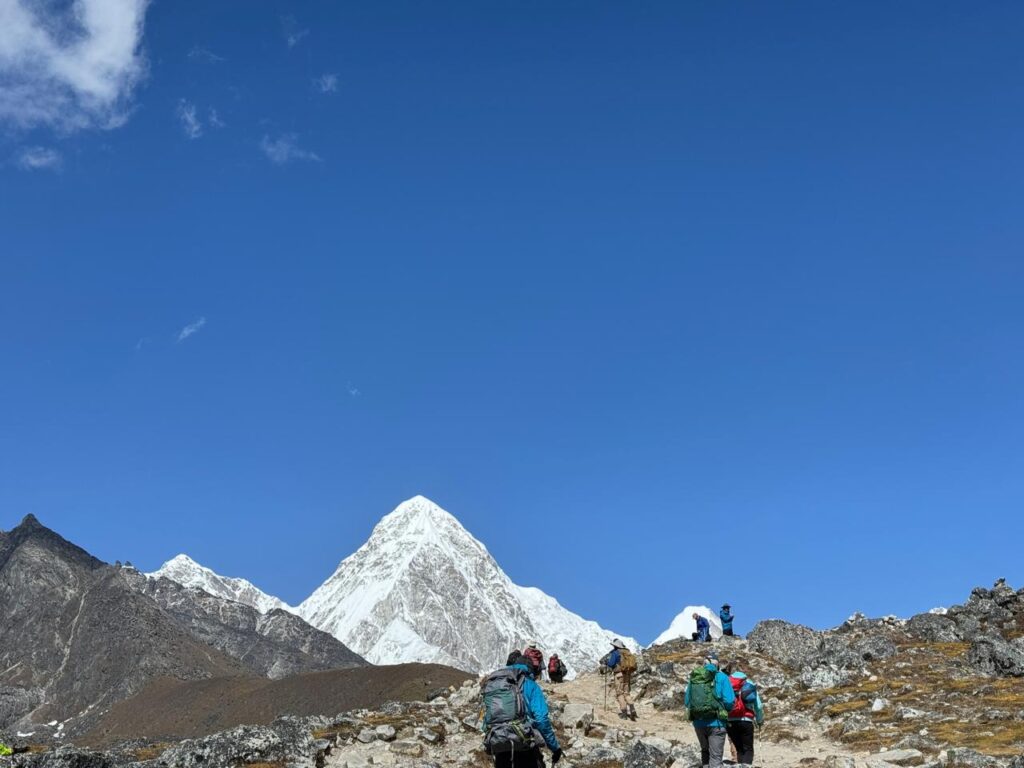
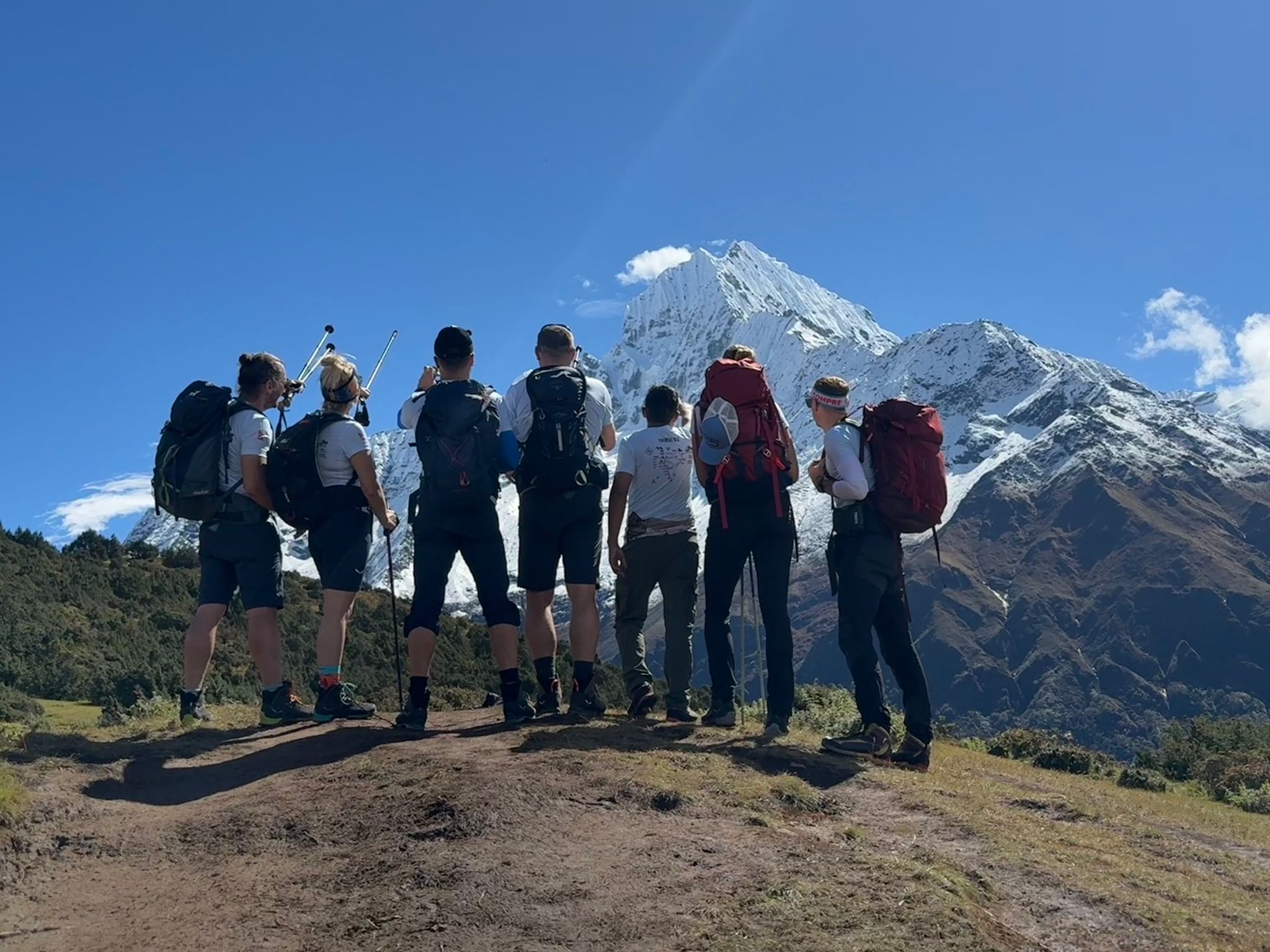
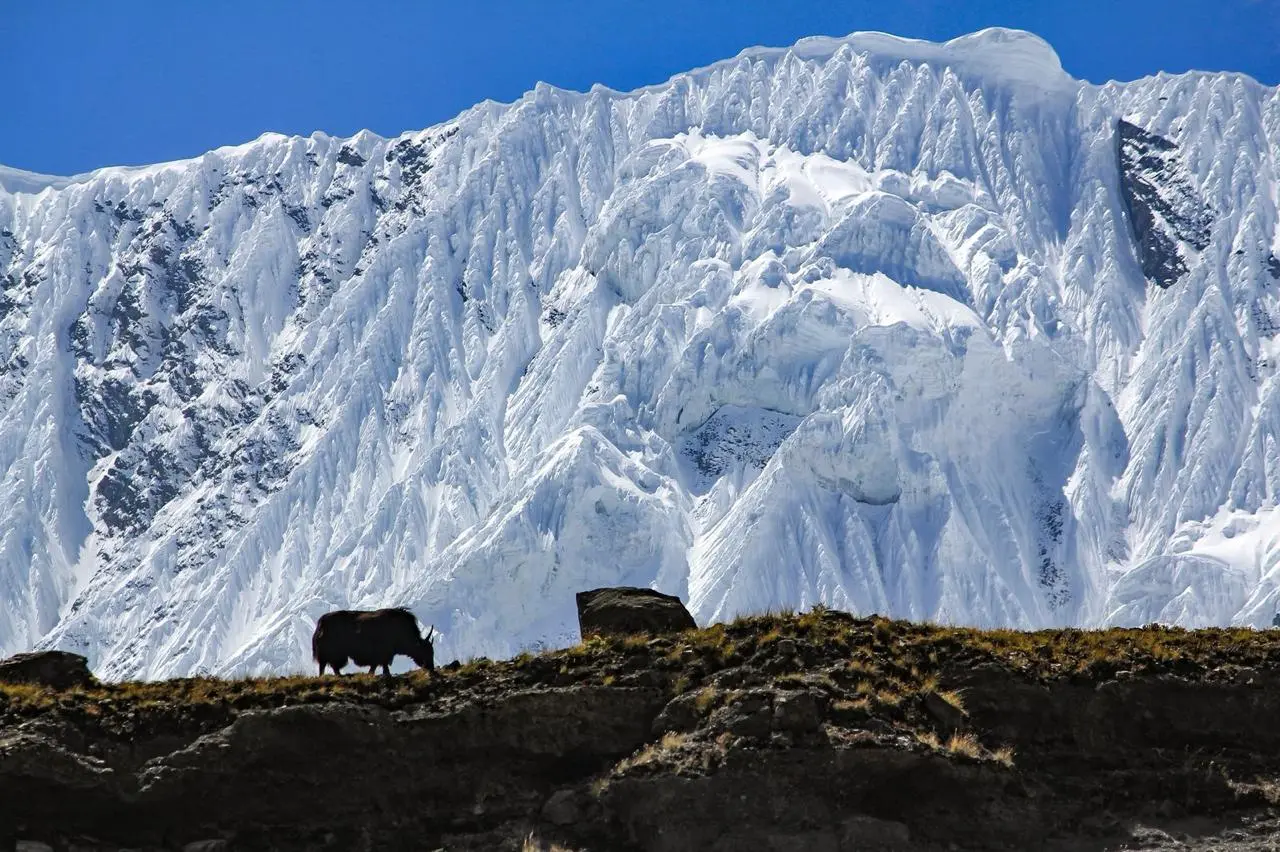
Stunning view of Mt. Pumori
What Is Altitude Sickness? A Must-Know for High-Altitude Trekking in Nepal
Altitude sickness—also known as Acute Mountain Sickness (AMS)—occurs when the body cannot adapt to declining oxygen levels at high elevations. It also happens due to the unfavorable situation in the Himalayas due to the health complications. It typically begins above 3000 meters, making it a primary concern during popular Nepal trekking routes like Everest Base Camp, Gokyo Lakes, Island Peak climbing, Langtang valley and many more.
The symptoms that occur while we experience the altitude sickness are:
Common AMS Symptoms
Persistent headache
Loss of appetite
Nausea or vomiting
Fatigue and shortness of breath
Dizziness or light-headedness
Difficulty sleeping
Severe Forms: HAPE & HACE
The severe forms of the Altitude sickness are the HAPE and HACE that affects the lungs and brain respectively affecting the trekkers health to the severe point.
HAPE (High Altitude Pulmonary Edema) – fluid accumulation in the lungs
HACE (High Altitude Cerebral Edema) – brain swelling
Both are life-threatening and require immediate descent and evacuation.
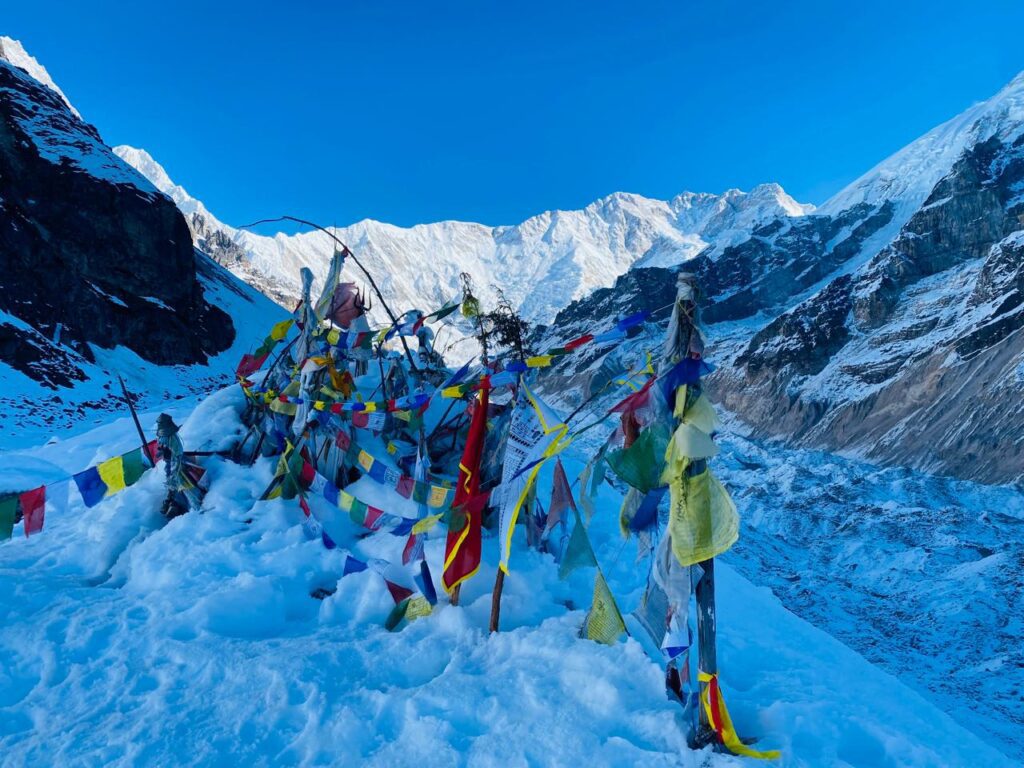
Prayer flag
Why Altitude Sickness in Nepal Is a Growing Concern Today?
Many trekkers now visit the Himalaya with tighter itineraries and limited acclimatization time. To minimize this issue, our trek itineraries are meticulously designed and have the proper acclimatization day. Combined with unpredictable Himalayan weather and increased foot traffic, Himalaya trekking safety requires more attention than ever.
This is why choosing a responsible and experienced company like Access the Asia Treks is essential for safe high-altitude trekking.
How Access the Asia Treks Ensures Safety at High Altitude?
1. Meticulously Designed Acclimatization Itineraries
Our itineraries follow safe ascent rules recommended for higher altitude trek and other activities like climbing peak and all. We never rush the trail and follow the 300–500 m daily altitude gain guideline after 3,000 meters.
2. Highly Trained Guides for Altitude Management
Our guides are certified in:
Wilderness First Aid
AMS, HAPE & HACE prevention
Oxygen saturation monitoring
High-altitude response and rescue
Their daily health checks significantly reduce risk during the trek.
3. First-Aid Support and Monitoring
All teams are equipped with:
Pulse oximeter
First-aid kit
Basic altitude medications (administered only as required)
4. Slow, Safe & Responsible Trekking Approach
We follow a “health-first” philosophy. Our staff take proper care of you during the trek. They observe the following deails:
Your health condition
Your sleep
Your food quatity
Your water consumption
Your pace
Your pace is set based on how your body adapts—not by rushing the itinerary.
How We Handle Altitude Sickness During Island Peak Climbing?
Most of the trekking areas and peak climbing areas are taken into consideration and provided with altitude sickness details accordingly. Few trekking areas like Everest region, Annapurna Region, Makalu region etc. are the regions where altitude affects many trekkers. Understanding this, we implement:
Spare Day Policy for Weather or Physical Condition
If you need an extra day due to weather conditions or physical challenges during any trek or Peak climbing, we adjust the schedule safely. When required:
We fly directly from the respected spot to Kathmandu via helicopter as much as possible,
or alternatively fly from the nearest possible Heli destination, depending on conditions.
This flexible plan ensures maximum safety without compromising your Himalayan experience.
Emergency Evacuation: Access the Asia Treks Safety Protocol
1. 24/7 Helicopter Evacuation Support
In severe cases of altitude sickness, we arrange immediate helicopter evacuation. We coordinate with experienced Himalayan rescue teams to fly you from:
The nearest Heli spot
High altitude rescue if the weather permits
or the nearest safe landing zone.
Your travel insurance typically covers this, and we help manage the process.
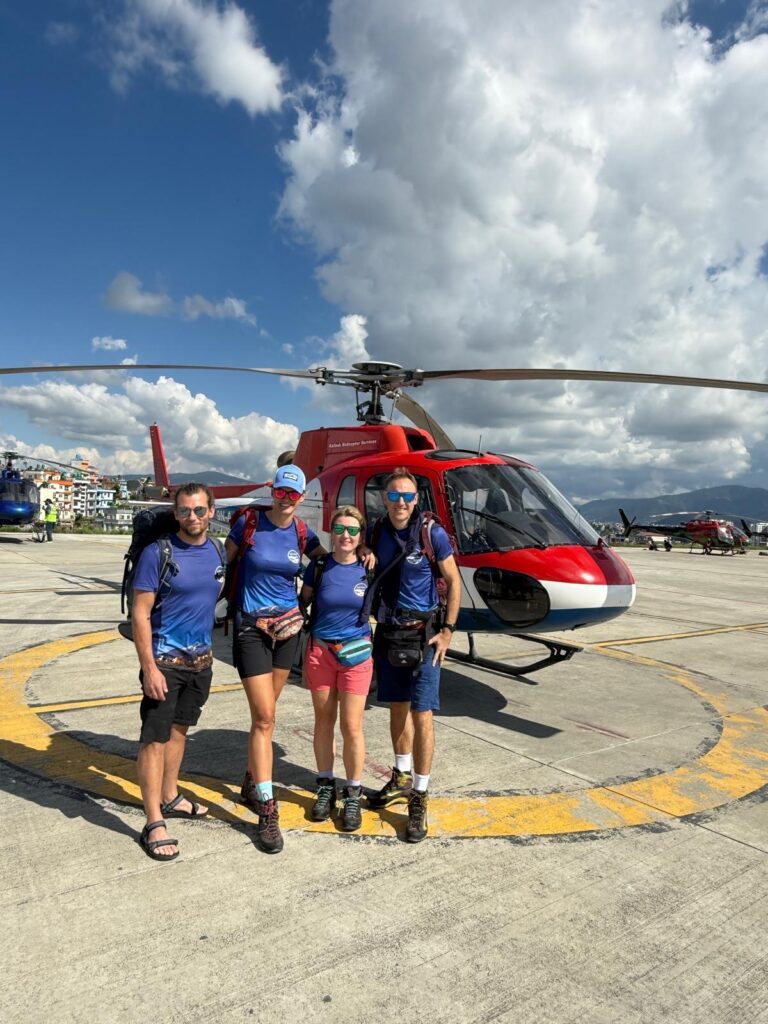
Ready for the flight
2. Reliable High-Altitude Communication
Our guides are equipped with:
Satellite phones
Emergency contact networks
This ensures instant communication with rescue teams—crucial for Himalaya trekking safety.
3. Post-Evacuation Support in Kathmandu
Once evacuated:
We help you check into a hospital
Assist with insurance paperwork
Arrange accommodation and recovery support
We stay with you until you are fully stable.
Follow acclimatization days strictly
Drink at least 3–4 liters of water daily
Avoid alcohol at altitude
Ascend slowly, descend if symptoms worsen
Eat enough calories
Choose proper travel insurance with helicopter rescue
Always listen to guide
These simple steps dramatically improve your high-altitude trekking safety.
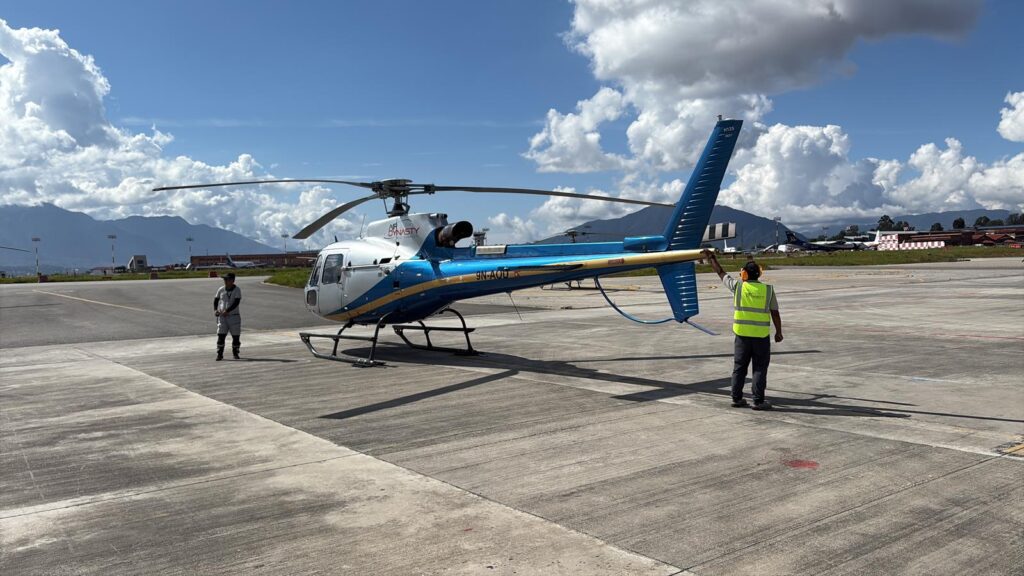
Heli ride
Conclusion: Trek Nepal Safely with Access the Asia Treks
Altitude sickness should never discourage you from trekking in Nepal. Having precautions before the trek allows you to enjoy your trip full heartedly. With the right preparation, professional guidance, and a reliable rescue system, trekking in the Himalaya is both safe and rewarding.
Access the Asia Treks ensures:
Safe itineraries
Expert guides
Reliable acclimatization
Fast helicopter evacuation procedures
Your adventure matters—but your safety matters more.