A Complete Guide for High-Altitude Trekking making your trip Safe, Successful, and Enjoyable Himalayan Adventures
Trekking above 3000m in the Himalayas is a rewarding yet demanding adventure. Mountains in Nepal are usually at the higher altitude, as the mountain range starts from 3,000m in Nepal. Our geography reflects the midlands usually the rolling hills with valleys like Kathmandu and Pokhara (600m to 3,500m) and High Mountains usually the Greater Himalayas, the main range begins from 3,000m. Treks of these type expose trekkers to high elevation for extended periods, where proper preparation is essential for safety and enjoyment. High-Altitude Trekking requires Himalayan trekking preparation.
High-Altitude Trekking affects each person differently and it depends on the person’s personal strength to cope up with the surrounding. While some trekkers feel only mild breathlessness and fatigue, others may experience symptoms of altitude sickness, including headaches, nausea, sleep disturbances, and loss of appetite. Sometimes, headache and fatigue might not surely be the reason for the altitude sickness. It might be due to other factors during the trek. Therefore, proper supervision and analysis is necessary to maintain your body in the higher altitude.
High-Altitude trekking in the Himalayas is one of the exciting and jaw dropping adventure experience in Nepal. Somehow, along with this, it also demands the proper preparation and adequate information. Meanwhile, trekking above 3000m exposes your body to the reduced oxygen levels, colder temperatures and increased physical stress. Whether, you prepare for the soft and easy trek ranging to the elite and challenging trek, you have to have the proper Himalayan trekking preparation. This makes your trip stress free and ensures safety, comfort and success.
Without the right knowledge and acclimatization strategy, the symptoms of altitude sickness can escalate into serious conditions such as AMS (Acute Mountain Sickness), HAPE (High-Altitude Pulmonary Edema), or HACE (High-Altitude Cerebral Edema). It is always wise to go for the precautions rather than cure. Therefore, understanding these risks before stepping onto the High-Altitude Trekking is the first step toward a successful Himalayan trek. For more details, you can check on here.
You can even prepare for the Winter Trek in Nepal where you are provided with every necessary details for your assurance and safety.
You have to choose the trek as per your feasibility. Some of the exciting trek packages for High-Altitude trekking in Nepal are:
Elite/Challenging:
Elite referring to High-Altitude trekking in the Himalayas needs proper Himalayan trekking preparation.If you get the proper preparation, then, these treks can be accomplished by the beginners or the novice trekkers.
Moderate referring to High-Altitude trekking in the Himalayas also needs proper Himalayan trekking preparation. If you get the proper preparation, then, these treks can also be accomplished by the beginners or the novice trekkers.
Easy referring to High-Altitude trekking in the Himalayas also needs proper Himalayan trekking preparation.These treks might be easy, somehow, there are instances where the trekkers have felt the problems of altitude sickness. Therefore, preparation is the most in every trek in Nepal with proper guidance and assurance.
What is the best way to prepare for altitude sickness before traveling to high altitude?
Traveling to high-altitude destinations can be an unforgettable experience. Somehow, for this experience to be achieved in a successful way you need proper preparation. Altitude sickness can quickly turn a dream trip into a difficult one. Meanwhile, proper Himalayan trekking preparation can make your trip fully assured and stress free. Whether you’re planning a mountain trek, going for a high-altitude trek, or heading on an adventure vacation, knowing how to prepare your body for altitude is essential.
The good news is that altitude sickness is often preventable with the right planning, gradual acclimatization, and smart health choices. Everyday supervision is also very vital to know about the altitude sickness. The amount of food, water and sleep you’ve taken, gradual ascend, hike high and sleep low mechanism and other precautions are very significant for Himalayan Trekking Preparation.
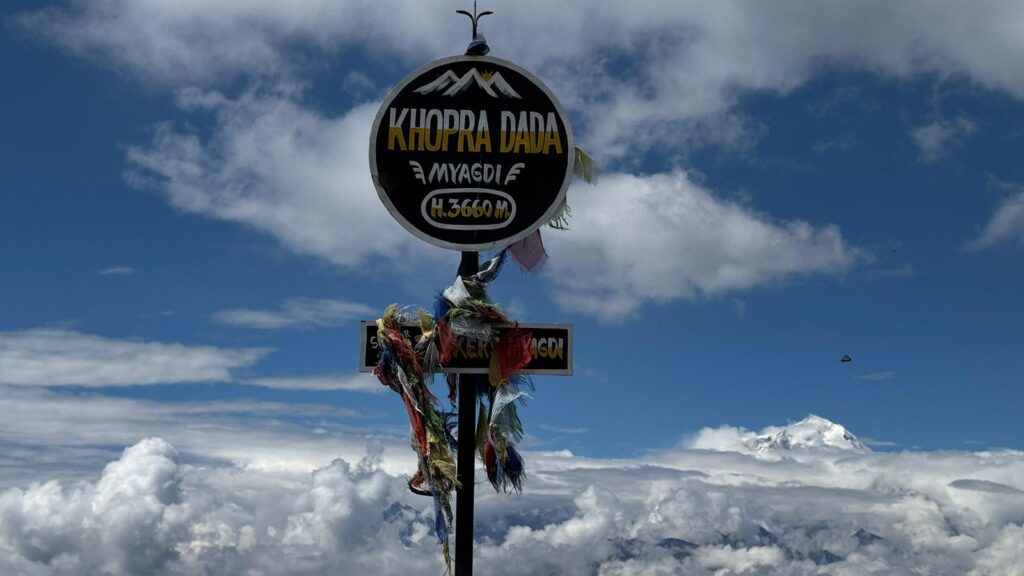
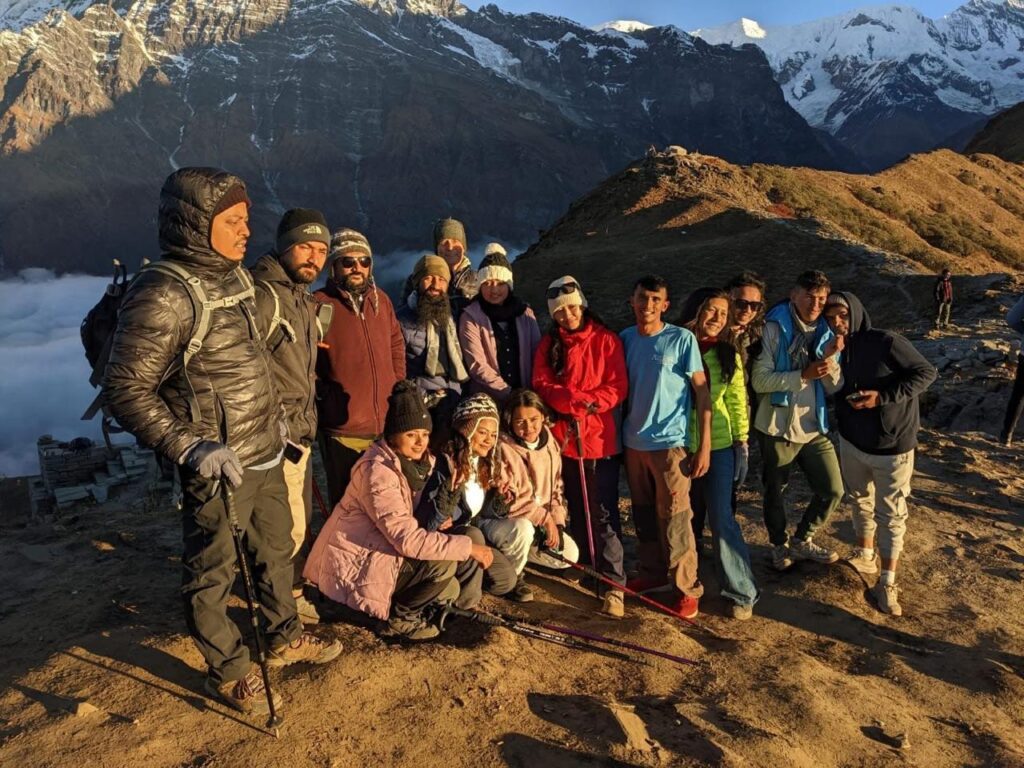
Summitted mardi
The foremost preparation factors needed are highlighted below:
Pre-workout and training: You can do the high-altitude trekking fitness workouts, trek training plan and your physical along with mental health is very vital. You can have 8–12-week training plan, Cardio, strength and hiking practice. It also depends upon the Beginner vs experienced trekkers. If you are beginner, then you have to work out on the regular basis before the trek for the well preparation. If you normally go for a hike and you have prior experience, then it’s not a problem for you.
Medical Consultation: If you have any long-term issue with your health or you’ve been through some difficulties, then it is advisable to consult with the trek guide related to your problems after consulting with your physician.
Attend theTrek Briefing: You are provided with the trek briefings before the trek. During this briefing, you are provided with the trek details, route details, difficulties you face during the trek, gears check, team introduction and overall scenario of the trek. You are also provided with the complete packing list for High-Altitude Trekking in the Himalayas.
Medical Kit: If you need any personal medication, then you have to consult with your physician and the leader about it. Along with this, Diamox (Acetazolamide – consult doctor), Pain relievers, Blister treatment, Rehydration salts and your personal medication kit.
Proper Trekking Gears: To make your trip successful, proper trekking gears are essential. The trekking gears include the Layering system (Clothing, Footwear, Sleeping Gear and Trekking Equipment), cold-weather gear, medical kit and other essential and optional items.
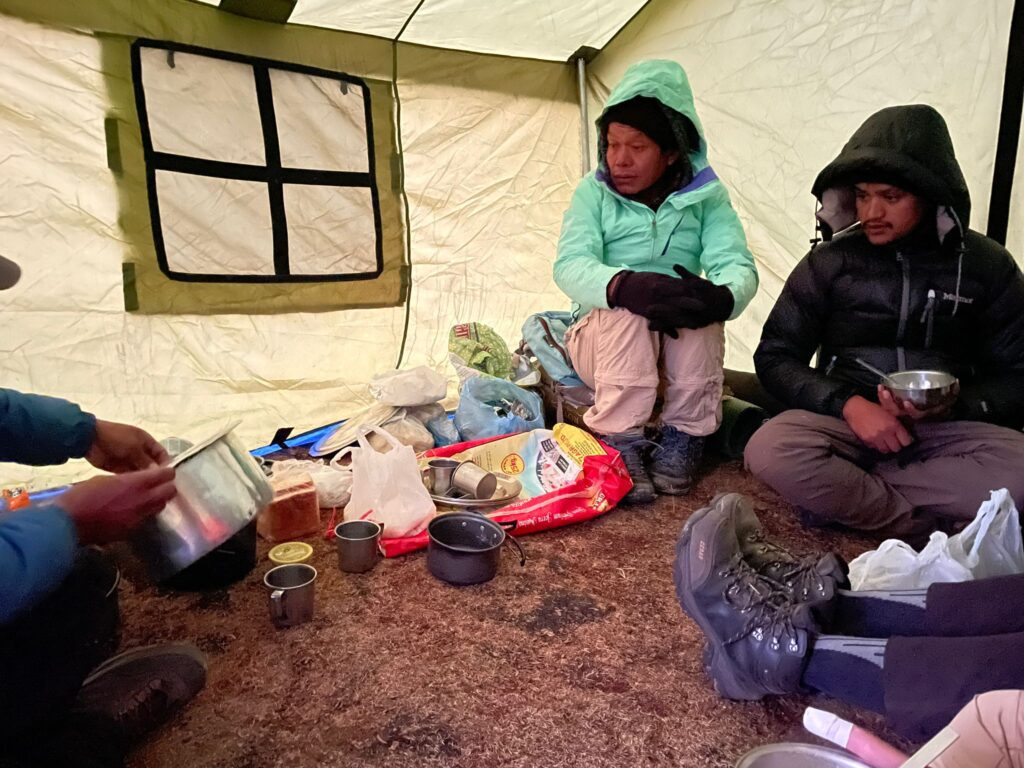
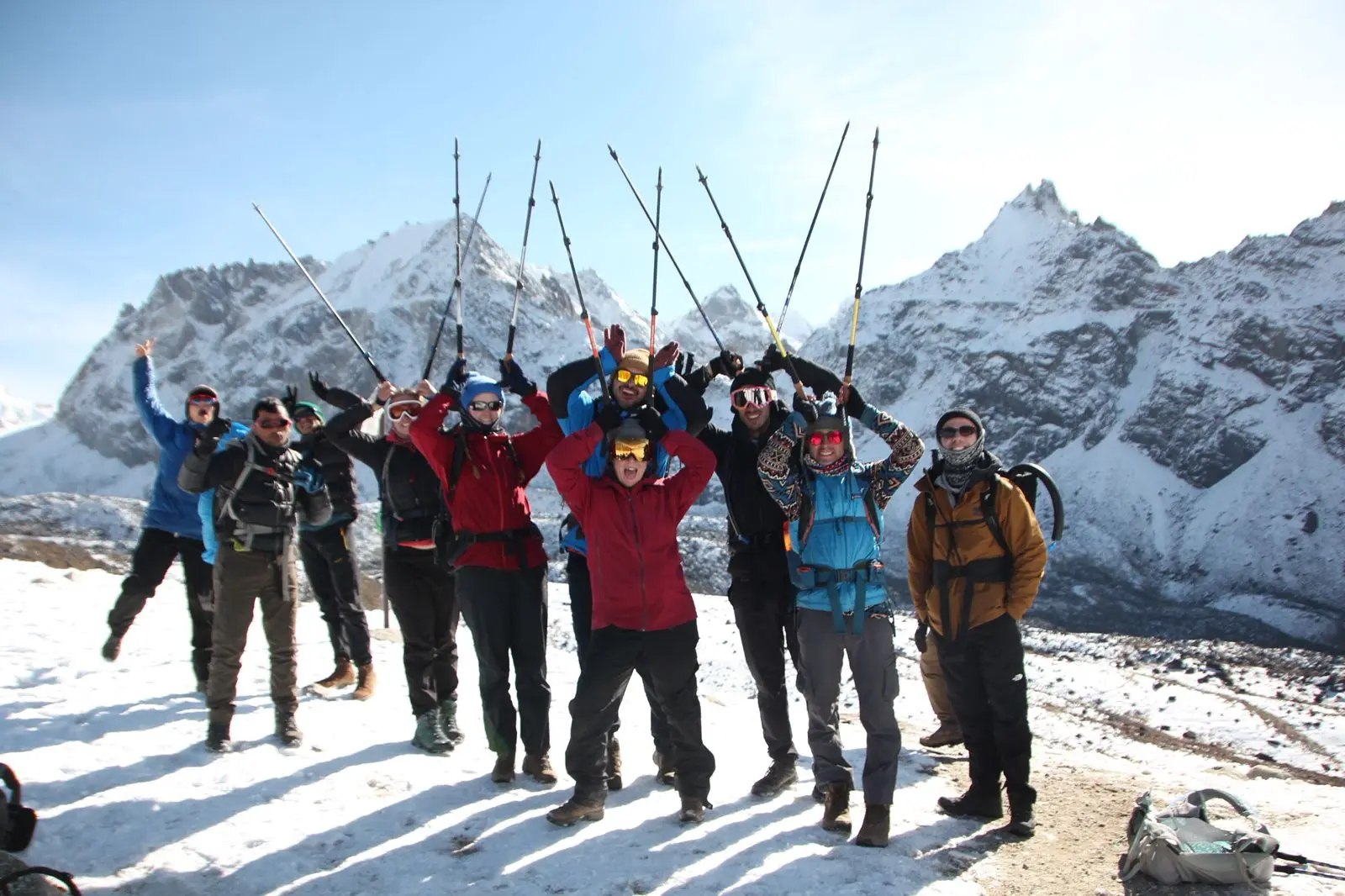
camping before climbing yala peak
Evacuation, Medical and Travel Insurance: It is very importantfor the travelers tohave the proper medical and travel insurance that includes the High-altitude trekking (up to 6,000m), Helicopter evacuation and Emergency medical coverage. This helps the travelers during the emergency situation.
Warning Signs You Should Never Ignore
🚨 Immediately inform your guide if you experience:
Severe headache not relieved by medication
Persistent vomiting
Confusion or disorientation
Shortness of breath at rest
Chest tightness
Early action saves lives in High-Altitude Trekking. With the right approach and expert guidance, your Himalayan journey will be one of the most meaningful experiences of your life.
Choosing the right trek and right trekking company is very important for your safety and assurance. With the proper preparation, you can enjoy holidays with your loved ones and create the unforgettable memories in the land of paradise.