Are you dreaming to trek in the land of paradise? If so, Annapurna Base Camp Trek is your best option with the vibrant culture, gigantic mountains and panoramic Himalayan views. This trek offers lots of aspects to meet your expectation. Not merely for the trekking destination, it has become the tourist hub for the trekking lovers. Access the Asia Treks is here for you to organize the wonderful Annapurna Base Camp Trek package for you. If you want to join us for this trek package then you can contact us via email or website.
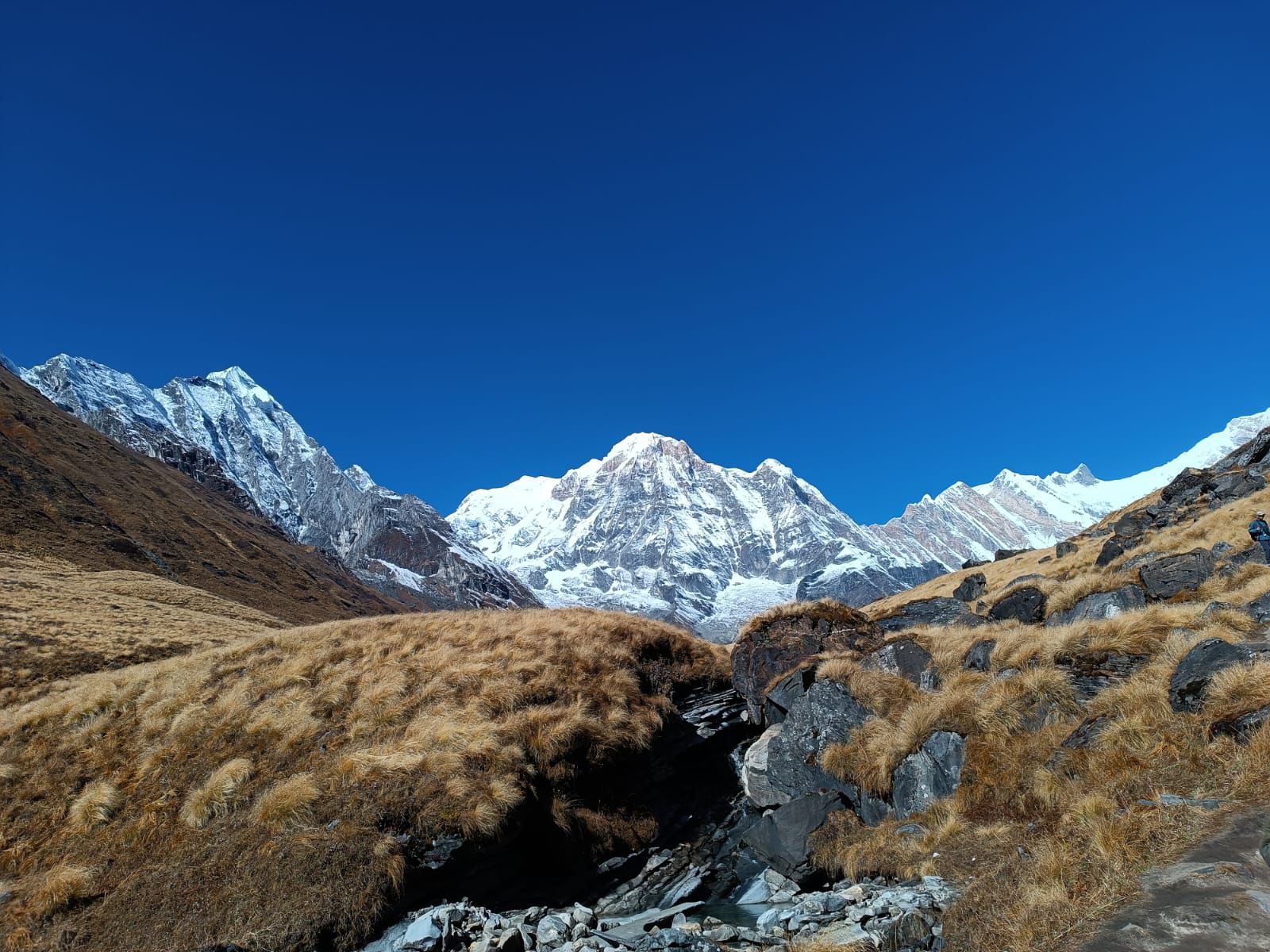
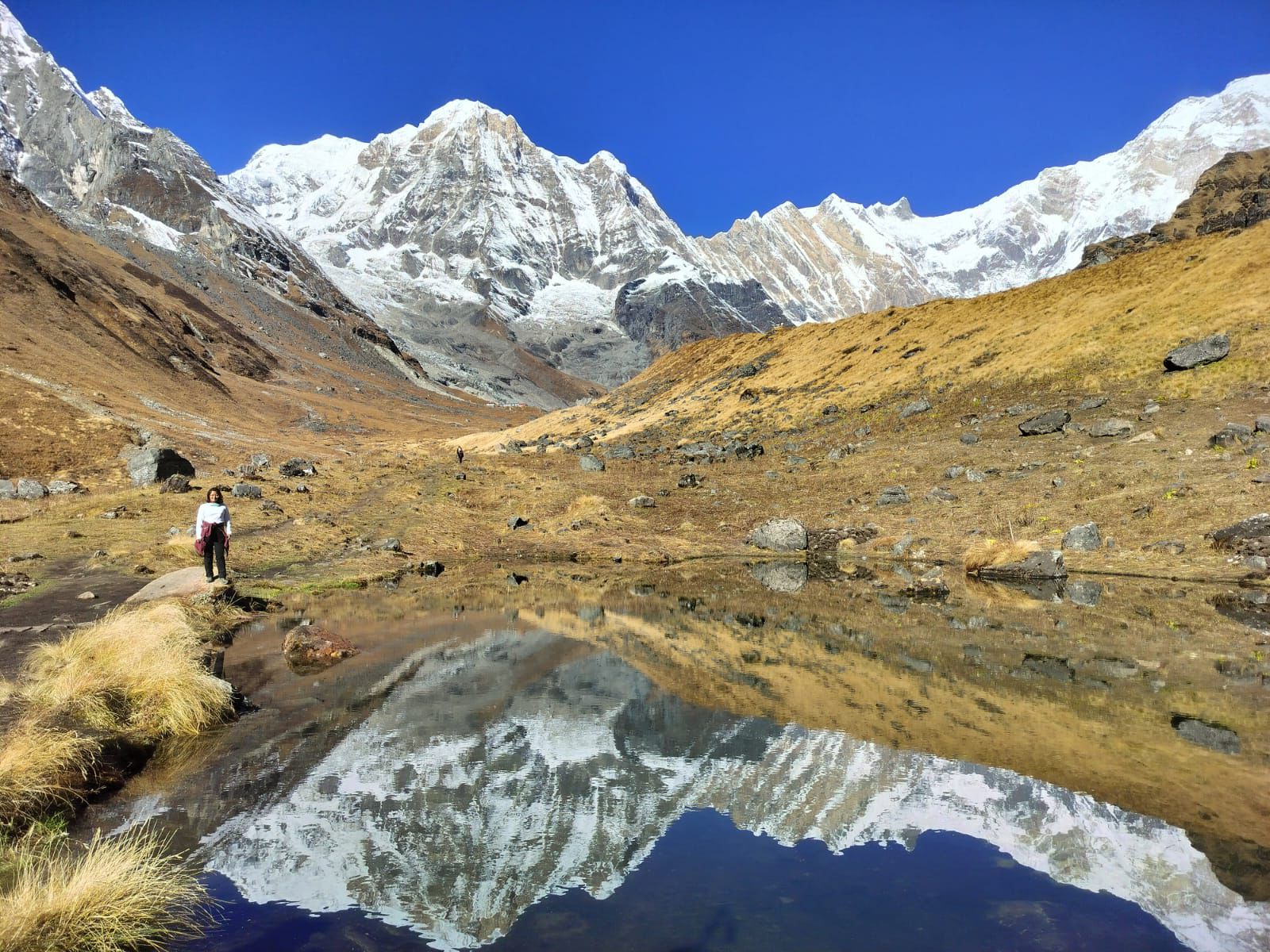
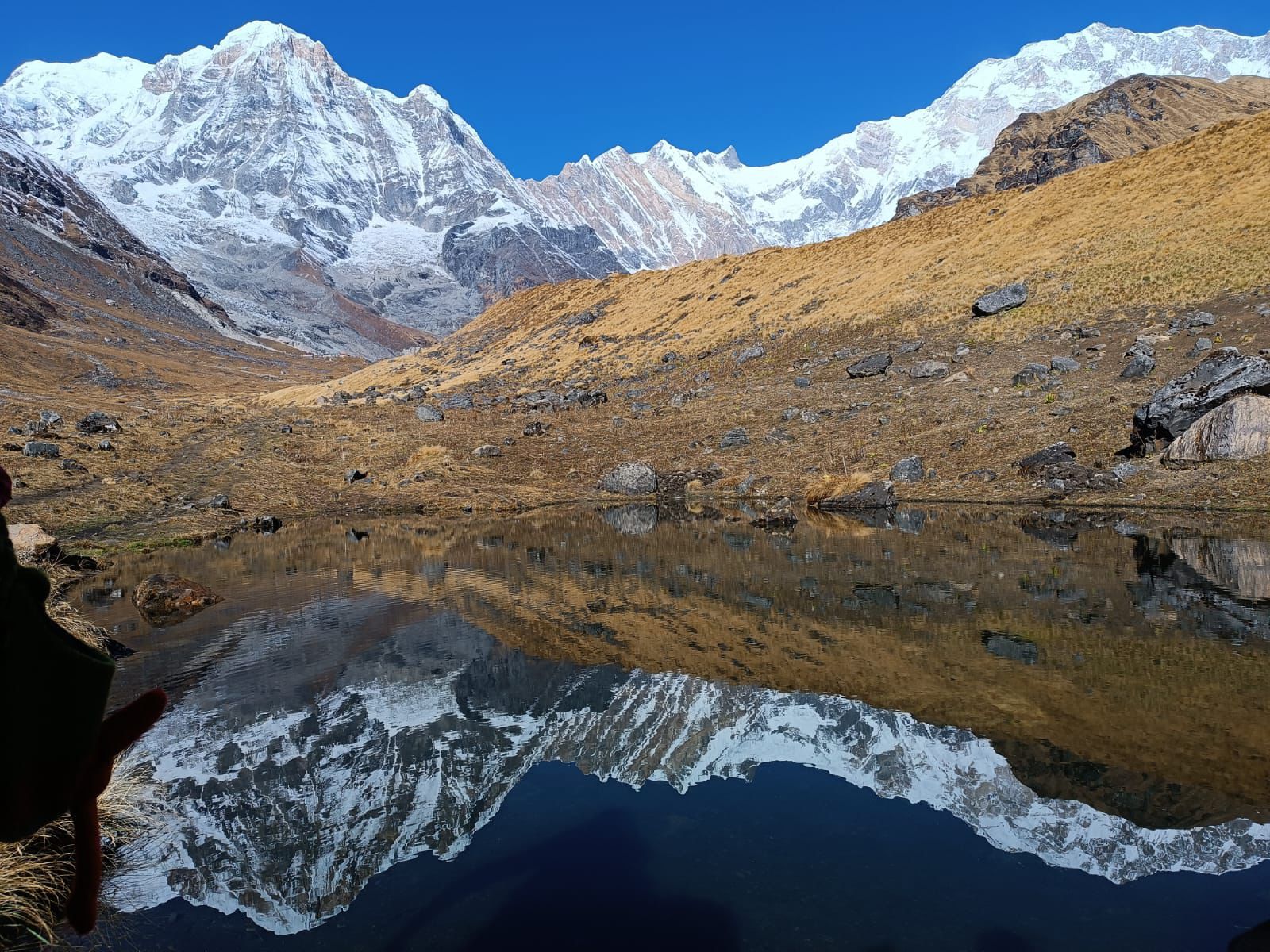
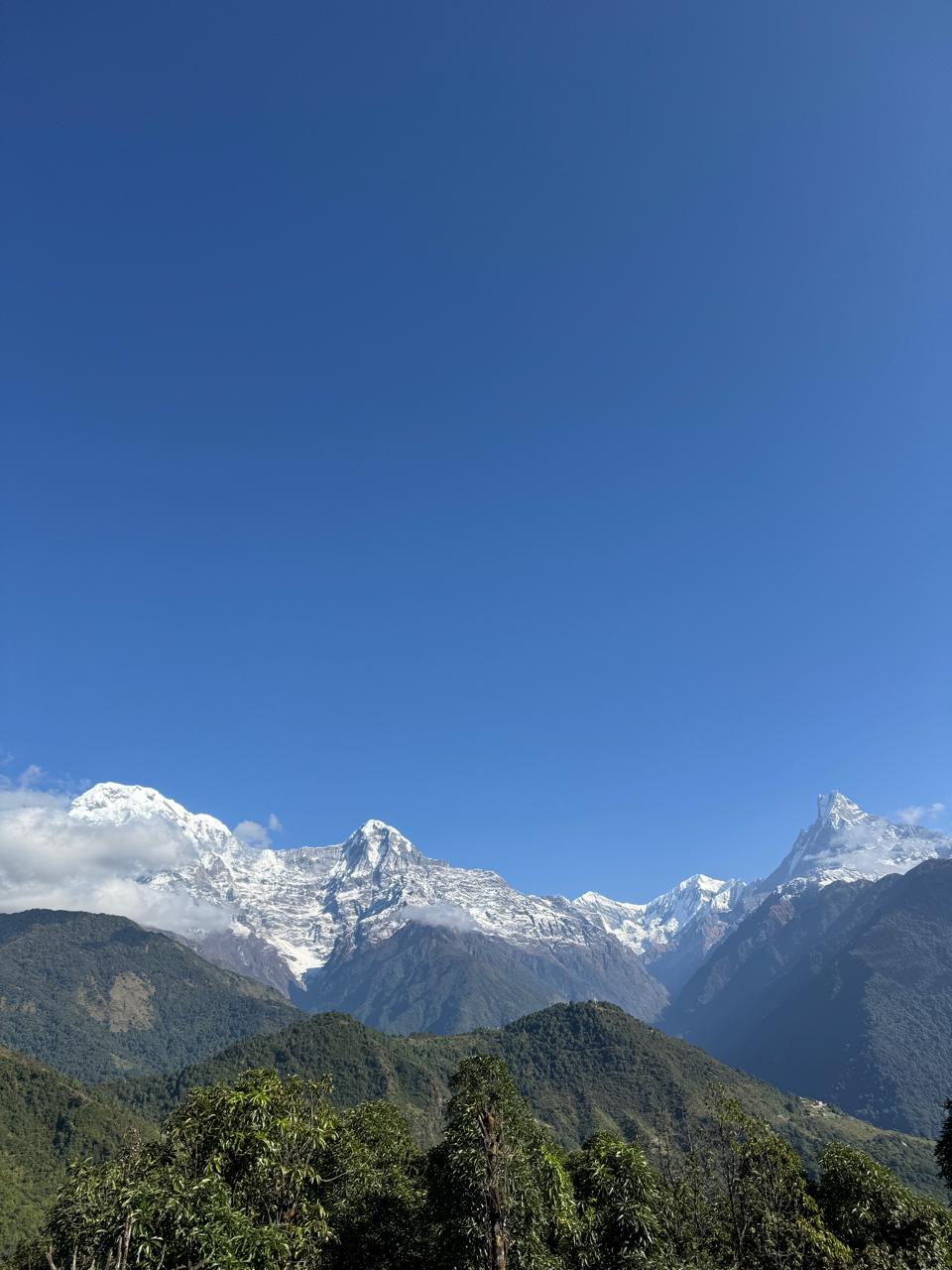
The Annapurna Base Camp Trek is the best choice if you want to see the mountains in the spectacular splendor and become fully immersed in the local culture. The ABC Trek is a one of a kind adventure that offers a breathtaking view of the Annapurna (8091m), Machhapuchhre (6997m), and Dhaulagiri (8167m) mountains as well as the warm hospitality of Gurung Villages. The ABC Trek is a pleasure for any travel enthusiast as it helps you explore the Annapurna Conservation Area and the paths to the south of Annapurna (8091m).
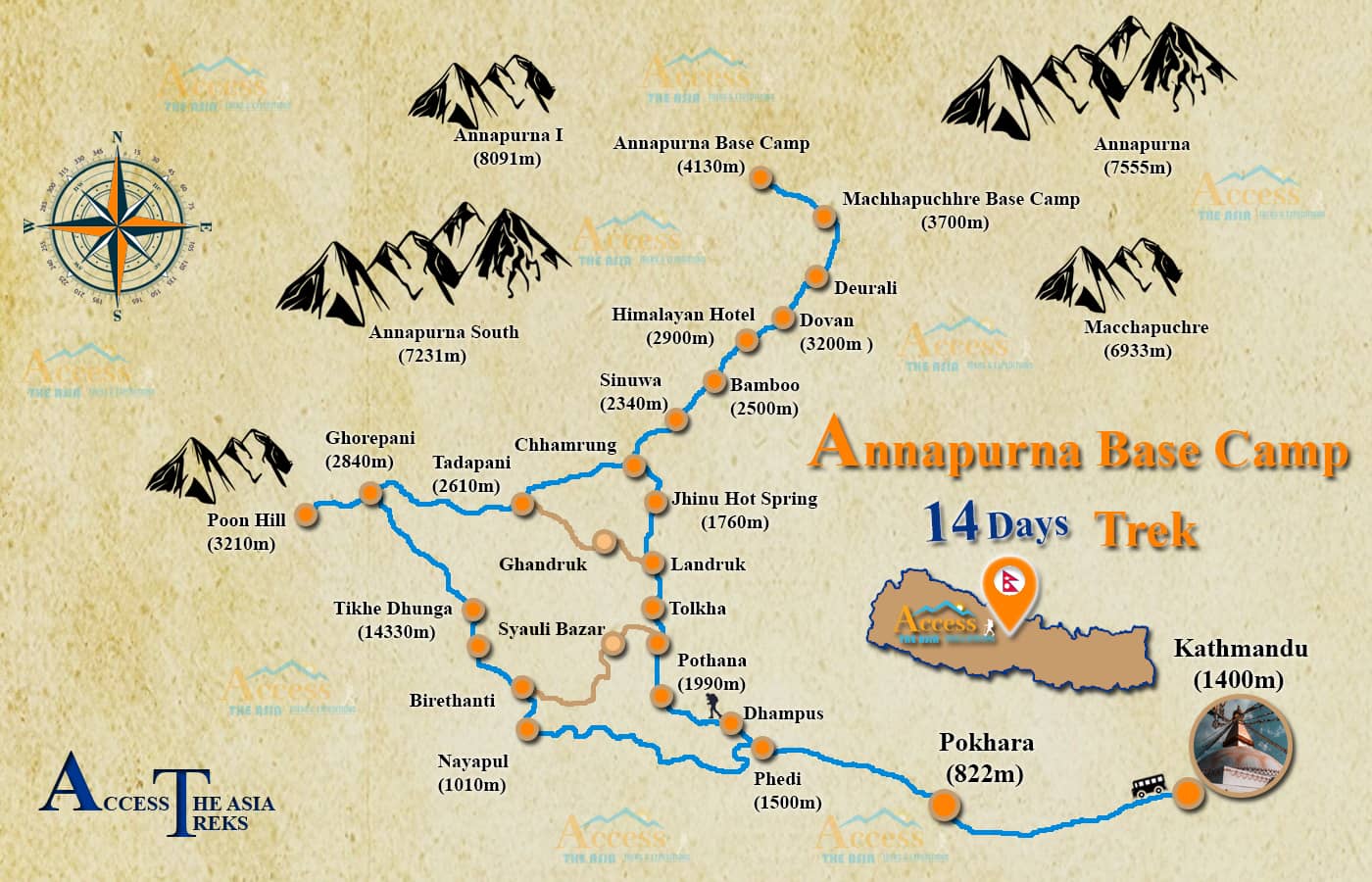
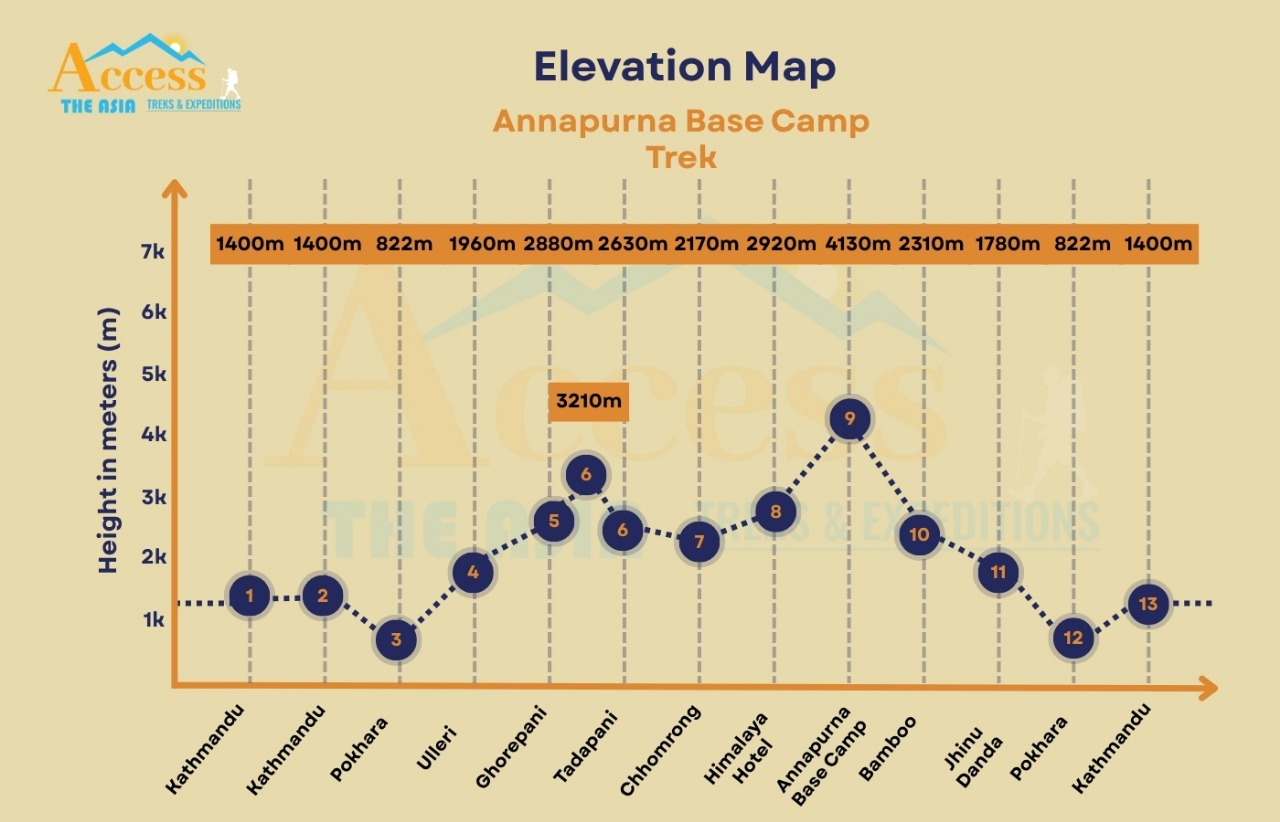
The 14 days Annapurna Base Camp journey is especially designed to allow you to fully appreciate the local alpine scenery and cultural heritage. After you arrive in Kathmandu, you are provided a day to explore the city’s cultural attractions. You will next drive to Pokhara after leaving Kathmandu. From Pokhara, you can see Annapurna (8091m) and Machhapuchhre (6997m) for making your view to perfection. After this, you travel to Nayapul, where the trip begins. You walk through rhododendron forests and across stone walkways as you make your way past Ulleri and toward Ghodepani. To see the dawn over the Annapurna and Dhaulagiri ranges, as well as Mt. Machhapuchhre (6997m) and Lamjung Himal, you trek to Poonhill in this location . The route then turns northeast, passing Dovan and the Himalaya, and travels towards Chhomrong along the Modi River. You pass by Machhapuchhre Base Camp as well on your way to the Annapurna Base Camp. Trekkers can take in the breathtaking splendor of the Annapurna I (8091m) and many other spectacular Himalayas at the ABC. You reach Jhinu Danda the following morning after beginning your walk back to Pokhara after passing Bamboo. You can relax at the on site natural hot springs while your body is in fatigue and strain. From here, you can trek to Nayapul in the south and return to Pokhara. The finest times to fully take in the splendor of the Annapurna region are in the spring (March to May) and Autumn (September to November).
You can count on us at Access The Asia Treks to give you the greatest lodging and travel options. Along with these amenities, our knowledgeable staffs and guide assure you to enjoy this excursion to the most. Please reach out to us for additional details about the Annapurna Base Camp Trek and other related packages of the Annapurna Region.
Amazing views of the Annapurna and Dhaulagiri ranges throughout the trail
Panoramic 360° mountain views from Annapurna Base Camp (4,130 m)
Relaxing hot springs at Jhinu Danda
Rich cultural experience with traditional stone houses, monasteries, and local customs
Explore the culture of ethnic Gurung and Magar communities
You arrive at Kathmandu’s Tribhuvan International Airport. Our company’s representative will sincerely welcome you in the typical Nepali way. And, we conduct the meeting related to the trek as per the feasibility and you can trek with full assurity to the Himalayan region. When you arrive at the airport, you are always made easier to cope up with Nepali culture and enjoy to your fullest.
Meanwhile, you proceed to the luxurious hotel and you visit with the tour guides and staff is scheduled according to your feasibility.
One of the explorative days begins with your breakfast and the wonderful morning vibes of the center of Kathmandu.
Highlighting Swayambhunath, Pashupatinath, and Boudhanath as the main attractions.
Swayambhunath (Monkey Temple)
Start your exploration at the iconic Swayambhunath Stupa, perched on a hill offering breathtaking views of Kathmandu Valley. Known as the Monkey Temple due to its lively monkey inhabitants, this UNESCO World Heritage Site is a revered Buddhist sanctuary.
Pashupatinath Temple
A sacred pilgrimage destination for Hindus, Pashupatinath Temple is dedicated to Lord Shiva. Located along the banks of the holy Bagmati River, this UNESCO World Heritage Site is an architectural marvel and spiritual hub.
Boudhanath Stupa
The grand Boudhanath Stupa, one of the largest in the world, stands as a beacon of peace and spirituality. Surrounded by a lively marketplace, this UNESCO World Heritage Site is a haven for Buddhist pilgrims and enthusiasts.
Optional Destinations
Note: Generally, we conduct the briefing after the city tour. Therefore, we have to be prepared accordingly as per the given time frame.
On this day, you set out for a drive from Kathmandu to Pokhara. You travel to Pokhara after an early breakfast along the Prithvi Highway, which offers stunning views of hills, rural life, agricultural fields, and rivers.
After arriving at Pokhara, you are escorted to the best hotel available. You can freshen yourself in the hotel and do the rehydrating process, you can go for a stroll through Pokhara or rent a boat at Phewa Lake. The rest of the day can be spent exploring Lakeside if we reach early.
Stay the night in Pokhara.
This day, after breakfast, you drive from Pokhara to Nayapul. The drive to Nayapul in the morning time is really fabulous as you get the opportunity to explore the vibrant natural vibes of the Pokhara Valley. After arriving there and relaxing for a while, you continue for the trek on to Ulleri, your next stop.
The elevation on the trail to Ulleri is gentle for the most of the distance. You can take in the picturesque vistas of the hills and the verdant landscape en route.
Stay the night in Ulleri.
On this day, after breakfast, you move on from Ulleri to Ghorepani. This trek is reached through an incline trail through a rhododendron-filled woodland. You traverse allegedly the largest rhododendron woodland in the area. So take in the rhododendron scenery with the Annapurna Range in the background.
The most famous and renowned rest destination on the ABC Trek is Ghodepani, a Gurung village and home to Magar and Gurung people.
Stay the night in Ghodepani.
On this day, you travel to Poonhill at dawn to see the sunrise. The short, simple climb offers views of the Annapurna range and the Himalayas.
You will be in awe of the breathtaking scene of the Annapurna range, which includes Annapurna (8091m), Machhapuchhre (6997m), Dhaulagiri (8167m), and Nilgiri (7061m). Once you do your breakfast , you return to Ghodepani and begin your ascent to Tadapani.
Tadapani overnight stay.
After breakfast, you set out for the trek to Chhomrong, the final Gurung community settlement you will visit before reaching the Annapurna base camp.
When you get to Kimrong Khola, the trail turns uphill after first going downhill. You will arrive in Chhomrong before dusk and you can take in the beautiful river scenery along the way.
On this day, after breakfast, you depart for your next stop, the Himalaya Hotel. This trek is really fascinating as you get to various breathtaking landscape and lush forest on the way.
Once you reach Chhomrong Khola, the trail ascends once more. Once again descending, the path leads to the Dovan Gorge. The Hotel Himalaya is only a short stroll away.
An overnight stay at the Hotel Himalaya.
On this day, you set out for the trek to Annapurna base camp, the most awaited trek during this journey.
The trail stops at Deurali (3230m), from where you can climb to the Machhapuchhre Base Camp after crossing a ridge (3700m). Another stunning vintage point to admire the majestic Mt. Machhapuchhre (6997m) and many other mountains in the Annapurna range may be found here.
The journey thereafter takes two hours, and it ends there. You can marvel at the breathtaking vista of Annapurna and its range after you arrive at Annapurna Base Camp. As you get ready to spend the night in the Himalayas in the center of the Annapurna region, the snow-capped peaks will be all around you.
Spend the night in Annapurna base camp.
After breakfast, you set out for the trek to Bamboo. This trek is also fascinating after all the memories you carry after the journey to the Annapurna base camp.
After viewing the Annapurna Range at daybreak, you pack up and head out of the base camp while descending to Bamboo. You see beautiful views of the mountains and the river the entire while the trail follows the banks of the Modi Khola. Once there, you can take advantage of Bamboo’s distinctive culture.
Stay the night in Bamboo.
After breakfast, you set out for the trek to Jhinu Danda, known for its natural hot springs, and it is the next stop. With all the wonderful memories and serene vibes, the walk begins.
Following the villages of Sinuwa and Chhomrong, you pass Kuldighar. The trail descends to Jhinu village, where you spend the night, after Chhomrong. The finest way to unwind your worn-out body is to take a relaxing dip in a hot spring. This is the most rewarding portion of this particular trek.
An overnight stay at Jhinu Danda.
After breakfast, its time to return to Pokhara after a restful night at Jhinu Danda. You embark on a brief trek to Nayapul to begin the day.
When you get there, you have a little break before heading back to Pokhara. Then, you set out for a drive to Pokhara.
Once you’ve checked into your accommodation, you can start exploring other well-known parts in Pokhara. Alternately, you could decide to take it easy and unwind at Lakeside.
Stay the night in Pokhara.
Eventually, after breakfast, you set out for the drive to Kathmandu. This journey is also going to be your fantastic one as you can return back sharing all those memories alongside and with the aim to share to your loved ones.
Finally, after fully soaking in the stunning mountain scenery protected by the Annapurna ranges, it’s time to return to Kathmandu. You take the same route from Pokhara back to Kathmandu. Once you arrive in Kathmandu, you can finish off any last-minute shopping or stroll about the city.
Spend the night in Kathmandu.
Your journey comes to an end with the hope to create another wonderful memory with us, and you will fly home. Your timely arrival at the airport is ensured by our representative. In addition to getting feedback on our services, we would want to know how your trip went. Wishing you a safe flight!
A detailed gear list is crucial for trekking. With Access the Asia Treks, we ensure the clients safety, comfort and success in the challenging Himalayan environment. To support clients who doesn’t have personal specific equipment, Access the Asia Treks offers rental facilities for high-quality trekking gear, ensuring that all participants are properly equipped. This service not only guarantees safety but also makes the adventure more accessible and stress-free, allowing trekkers to focus on the experience while adhering to professional safety standards.
Here’s a list of essential gears for trekking:
Clothing:
Upper Body:
Lower Body: Trekking pants (2-3 pairs), Thermal leggings and Hiking shorts (optional)
Head and Hands: Hat or cap, wool hat, neck gaiter and Lightweight gloves (Insulated gloves)
Footwear: Trekking boots (waterproof), Camp shoes (sandals or sneakers) and Wool or synthetic trekking socks (3-4 pairs)
Backpacks and Bags:
Sleeping:
Trekking Gear:
Personal Items:
Miscellaneous:
Optional:
This gear list should be customized based on the specific trek, altitude, and weather conditions.
Company provides the following facilities regarding the trekking gears
Duffle bag – Company provides the duffle bag to carry all your trekking gears except your light luggage during the trek.
Company provides you the renting facilities of the gears and you can rent the gears in Nepal and you have to pay on your own. The gears renting costs around USD 2 to USD 2.5 per day.
Note: If there is any damage in the rented gears, then you must reimburse for the damaged material as per its original cost.
Are you planning a trek with Access the Asia Treks taking it as a trek of a lifetime, where you gain the natural beauty of the place, cultural immersion, serene mountain vibes and the anatomy of paradise that makes makes once in a lifetime experience? If so, to make your journey easier and enjoyable we hereby listed for you all important things to know before setting off on your trekking. In this final section of the trip, we provide checklists for everything from visas to equipment, money, and medicines. At the same time, our representative also explains you the right method and procedure to follow to get all these gears in an easier way.
Exploring Himalayas with Access the Asia Treks means it is awarded with marvel both in physical and cultural peripheries. Regardless if you are planning for the EBC trek, Annapurna, or even for other popular yet slightly offbeat like Manaslu Circuit trek, it’s always important to prepare. Every trek is different; every trek has its risks and benefits; therefore learning about the geography of the trekking route, climatic conditions as well as the culture and traditions of the place is important. Trekkers experience heights from 1000m to more than 5500m and climate varies from sub tropical to alpine. Taking these things into proper consideration, we manage to provide you with the detailed list of the gears.
Important Aspects to Know Before the Trek
Physical Preparation: Basically, for your kind information trekking in Nepal demands a moderate to high level of physical fitness. Its better for you to begin training several months before your trek with a mix of cardio, strength training, and hiking practice. You also should consider altitude acclimatization as a part of your preparation. This really makes your physical preparation as per the demand of the trek in the mountainous region of Nepal.
Trekking Permits: You don’t even have to hassle about the trekking permits and all other government documents required for the trekking. As, most trekking regions in Nepal require specific permits like the TIMS (Trekkers Information Management System) card and area-specific permits. For example, the Annapurna Conservation Area Permit (ACAP) or Sagarmatha National Park Permit may be necessary.
As always, Access the Asia Treks will assist you with the paperwork. Therefore, our package includes these permit fees and other required documentation. This makes your trip hassle free and assure to enjoy your trip to the fullest.
Cultural Sensitivity: Nepal’s diverse cultures and religions require respect and understanding. Familiarize yourself with local customs, avoid gestures that might be considered offensive, and follow “Leave No Trace” principles to preserve the environment. Access the Asia Treks is involved in various sanitation campaigns that is directly or indirectly providing the necessary support in preserving the environment being associated with the reputed NGO “Inspire the Youth”.
Visa Requirements
Nepal requires most international travelers to obtain a visa. You can apply for a visa on arrival at Kathmandu’s Tribhuvan International Airport or at Nepalese embassies abroad. The visa fee depends on the duration of your stay (e.g., 15, 30, or 90 days). Ensure your passport is valid for at least six months beyond your travel dates and bring passport-sized photos for the visa application. Access the Asia Treks provides assistance if you need guidance during the visa process.
Gears According to the Trip
Packing the right gear is vital for a successful trek. Access the Asia Treks offers gear rental options for specific items to reduce the burden of carrying everything from home. We have provided the gear details needed in our gear section. We are always ready to guide you for the perfect solution regarding acquiring the complete gears.
Cash Requirements
ATMs are found rarely in remote trekking regions, so carry sufficient cash in Nepali rupees for the entire trip. While larger towns like Pokhara and Namche Bazaar may have banking facilities, many tea houses and shops along the trekking routes only accept cash. Budget for accommodation, meals and permits are provided by the company in our package. However, your personal expenses, extra food item, energy bars and incidental expenses are on your own which require the Nepali cash with you during the trek.
First Aid and Health Precautions
Access the Asia Treks provides basic first-aid support during your trek, but you should carry a personal first-aid kit for your personal medication. First aid includes essentials like:
Most of the medications and first aid equipment are carried by the guide. Somehow, it is important for you to take it on your own for your safety and reliability. Stay hydrated, eat well, and listen to your guide’s advice about acclimatization. If symptoms of Acute Mountain Sickness (AMS) occur, inform our guide immediately.
Travel Insurance
Comprehensive travel insurance covering high-altitude trekking and emergency evacuation is mandatory along with the medical expenses occurred during the process.
Communication
Mobile networks are limited, but Access the Asia Treks provides updates about connectivity. Satellite phones may be available for emergencies. We will work out on this one. We will provide you the details regarding the mobile networks and connectivity throughout the trek so that you can be updated with its details. We will also provide you the essential communication medium during the emergency situation.
Environment and Sustainability
Minimize waste by avoiding single-use plastics and use refillable water bottles. Respect wildlife and stay on marked trails. Our guide provides you the spot briefing related to the trekking destination and you must follow the guide’s guidelines and implement accordingly. The main motto of our trekking must be to respect the nature and environment and the sustainable tourism.
To confirm you’re booking with Access the Asia Treks, payment for the selected trek can be made via bank transfer. Please ensure that all applicable bank charges, including transfer fees or intermediary bank fees, are covered by you at the time of payment. This will help us receive the full amount without any deduction.
Once the payment is sent, kindly provide us with the transaction details or remittance slip for verification.
If you experience any issues during the payment process or require assistance of any kind, please feel free to contact us immediately. We are always available to support you and ensure a smooth and reliable booking experience.
For your convenience, we provide the option to hire trekking gear in Nepal. This includes essential items such as:
We recommend renting gear locally only if you do not already own quality trekking equipment, as renting ensures reliable and well-maintained gear suited for Nepal’s conditions.
To ensure a safe and enjoyable trek, please make sure you are fully prepared before departure:
Being fully equipped and prepared ensures a comfortable, safe, and memorable trekking experience in Nepal.
We offer three types of trekking packages to suit your preferences and budget:
All our packages are flexible and customizable, allowing you to tailor your trek according to your personal preferences, schedule, and interests.
Access the Asia Treks provides you the full information prior to the trek. Our representatives are always standby to support you in every situation from the beginning to the final departure. We try our best to make you feel like home with supportive staffs and friendly environment.
You can get VISA on Arrival at Tribhuvan International Airport; or online in advance through Nepal’s Department of Immigration website (for a pre-arrival application).
You will need:
Upon your arrival at Tribhuvan International Airport in Kathmandu, you are warmly welcomed by a representative from Access the Asia Treks highlighting the Nepali tradition. You are then escorted to the hotel, where you can take some time to rest and settle in after your journey to Nepal.
Depending on your flight’s arrival time, the trip briefing will be conducted either the same day or the following day.
You are provided with an experienced leader who can lead you to your destination with proper supervision and care. You are taken care of your comfortable stay and day to day supervision of your balanced diet, water intake, gradual ascend and proper sleep.
As Altitude Sickness is most probable in this region, thus, proper acclimatization and day to day strategy is necessary which is taken into proper consideration from our staffs.
During emergency situation, evacuation procedure is also made standby and your travel insurance must be provided before the trek which must cover the higher altitude evacuation with medical expenses.
Access the Asia Treks provides reliable and comfortable transportation facilities suitable to the category of your trekking package. Transportation is arranged on either a private or sharing basis, depending on the selected itinerary and service chosen.
Whether traveling on a private or sharing basis, Access the Asia Treks ensures smooth transfers between airports (Private only), cities (Private only), and trekking trailheads (Private or Sharing) according to your package category.
Note: For transportation facilities, you can consult with our staffs for more information.
At Access the Asia Treks, we are committed and dedicated to promoting eco-friendly and responsible trekking practices that preserve the natural environment and support local communities.
Our staffs are well trained and provided with proper training for the responsible trekking. Our treks are designed to make lesser environmental impact while supporting cultural respect and sustainability. Cultural immersion, healthy participation in community activities and respecting their cultural and natural values are our priorities.
We encourage the “Leave No Trace” principle by reducing waste, avoiding single-use plastics, and ensuring proper disposal of all non-biodegradable materials. We look forward to creating the trekking campaigns supporting the nature and preserving its values for future. We work closely with local guides, porters, and communities to support the local economy and preserve traditional lifestyles.
Our trekking routes prioritize conservation areas, and we strictly follow government and park regulations to protect wildlife, forests, and fragile mountain ecosystems. We are always committed in respecting the laws to promote the Government and local people initiation to save the nature.
By choosing eco-friendly trekking with us, you can contribute to environmental preservation while enjoying an authentic and responsible Himalayan adventure.
Access the Asia Treks provides necessary information and comprehensive help regarding your stay in Nepal. Our professional dedicated team is committed to assisting you from your planning to the competion of the trek.
Pre-Trip Support: Before your trek begins, our staff offers personalized details to assist you choose the most suitable trekking package based on your interests, fitness level, and travel time frame.
Transportation & Accommodation: We manage and assist you with arranging transportation to and from trekking starting points, whether on a private or sharing basis, according to your package category. As per your interest and service needed, our team also provides sufficient information regarding accommodation options.
On-Trek Guidance & Safety: After your arrival, we will provide you the trek briefing details for your assurance regarding your trek information, gears and overall details. During the trek, our experienced leader will support you who is government-licensed and well-trained porters. Our leaders provide daily briefings on trekking distances, altitude changes, weather conditions, and safety measures which play the vital role for you to cope up with the altitude minimizing the risk of altitude sickness. Monitoring regarding your daily food intake, water intake, gradual ascend, physical and mental condition along with proper sleep, and emergency response coordination are integral parts of our service.
Emergency & Communication Support: In case of emergencies, we provide 24/7 support and coordination for medical assistance or evacuation services when required. We assist you to manage the travel insurance accordingly.
Post-Trek Assistance: After completion of the trek, we assist you with various options as per your feasibility. We arrange your return transportation, travel extensions, sightseeing arrangements, and onward travel plans. We also welcome feedback to continuously improve our services.
For further details or specific inquiries regarding your trekking package, our knowledgeable staff is always available to assist you.
During the official trek briefing, our guide or trek leader will cover all essential details to ensure you are fully prepared and informed. The briefing typically includes:
Trek Itinerary Overvieww
Day-to-day details of the trek and it makes you your vision clear before the trek.
Average trek duration, daily walking hours and the altitude profile to make you understand about the various situations during the trek.
Significant spots and highlights of the trek for you to encounter during the trek.
Safety & Altitude Guidelines
Proper information about the altitude sickness, symptoms and preventive measures. You are introduced with your trek guide so that you feel comfortable to share your opinions regarding it.
Acclimatization days and rest days during the trek for your adaptation with the altitude and the surrounding. This minimizes the risk of Altitude sickness.
You need the travel insurance which covers your emergency evacuation and medical expenses from the higher altitude.
Necessity of oxygen cylinder or portable altitude chambers whenever necessary during the trek or climbing or expedition.
Accommodation & Meals
The information related to mountain accommodation regarding your stay, food, amenities, room facilities, hot water and local tradition.
Meal plans, safe food practices, and dietary options
Packing & Gear Check
We will re-check all your personal gear and clothing whether they match the requirement for the trek or not. If not, we will help you to buy or hire as per the situation.
Recommendations for any missing or optional items that may be rented or purchased in Kathmandu
Weather Conditions & Trail Expectations
Typical weather patterns during your trekking season
Estimated temperatures at different elevations
Terrain details and trekking difficulty levels
Team Introduction
Introduction to the trek leader, assistant guides, and porters
Roles and responsibilities of each team member
Porter weight limits and packing guidelines
Communication & Connectivity
Availability of Wi-Fi, charging facilities, and mobile network
Recommended SIM cards (if needed)
Depending upon the necessity of the satellite phones and emergency contact, we will provide you all the information regarding it.
Insurance & Documentation Check
Verification of travel and rescue insurance
Passport copies, permits, and TIMS/park entry requirements
Final Question & Answer Session
Time for you to clarify doubts
Last-minute advice before departure
Confirmation of departure time for the following day
Annapurna Base Camp (ABC) is located in central Nepal within the Annapurna Sanctuary, a high-altitude glacial basin inside the Annapurna Conservation Area of Gandaki Province. Positioned at 4,130 meters, it lies north of the city of Pokhara and sits directly below the towering peaks of the Annapurna massif, including Annapurna I.
The Annapurna Base Camp Trek is regarded as being moderately difficult. It entails hiking across difficult terrain that includes inclining ascents and descending slopes. Trekkers should be reasonably fit and have some hiking background. The trek lasts between 10 and 14 days to give the body time to acclimate to the higher elevations. The risk of altitude sickness exists, thus appropriate acclimatization is essential. Although there aren’t any hard age limits, people above the age of 14 are typically advised to perform it. Overall, it necessitates physical stamina, mental soundness and appropriate preparation.
The best time to do the Annapurna Base Camp Trek is during the spring (March to May) and autumn (September to November) seasons. These months offer stable weather, clear mountain views, and comfortable temperatures for trekking.
Spring (March–May) – Clear skies, warm weather, rhododendron bloom
Autumn (Sept–Nov) – Best visibility, mild temperatures
Winter (Dec–Feb) – Quiet trails but cold & possible snow
Monsoon (June–Aug) – Not recommended due to leeches & landslides
A thrilling journey awaits you on the Annapurna Base Camp Trek in the center of the Annapurna mountain range. It offers a captivating experience for nature lovers with its breathtaking scenery, including terraced farms, lush forests, and soaring hills. The trip passes through quaint towns where you get a taste of local culture and connect with the locals. The accomplishment of arriving to Annapurna’s base camp, which is surrounded by mighty mountains, is an unforgettable experience. This trek is a well-liked option for hikers looking for an unforgettable Himalayan adventure since it combines natural beauty, cultural exploration, and a sense of accomplishment.
Due to the high altitudes attained during the Annapurna Base Camp Trek, altitude sickness is a potential risk. The body requires time to adapt as hikers rise into thinner air. Altitude sickness can cause headaches, nausea, dizziness, and exhaustion. Proper precautions must be taken, such as allowing for progressive acclimatization, drinking plenty of water, and paying attention to your body. At higher elevations, taking rest days aids in the body’s adjustment.
To guarantee a safe and enjoyable experience, it is advised to speak with the guide prior to the journey and be aware of the symptoms of altitude sickness.
Absolutely, permits are necessary for the Annapurna Base Camp Trek. The trekkers’ information management system (TIMS) card and the Annapurna Conservation Area Permit (ACAP) are required. These permits offer crucial details about hikers in the area and aid in funding conservation activities. Permits are provided by Access the Asia Treks. The permits must be kept with you at all times and shown at checkpoints along the route.
With “Access the Asia Treks,” you experience the Annapurna Base Camp Trek in a singular and engaging way that blends the program’s unique approach with the essence of the trek. The Annapurna Base Camp Trek is enhanced by “Access the Asia Treks” by adding an informative element that enables you to learn more about specific aspects of the trek, such as regional culture, photography, or sustainable practices. This broadens your view and improves your journey as a whole. The program places a strong emphasis on environmental protection, aids in local communities, and promotes activities for moral tourism. This trek provides a platform for visitors to interact with one another and share their experiences and lessons learned. You have the chance to participate in cultural workshops, see local initiatives, and discover the customs and way of life of the inhabitants of the Annapurna region. Overall, after joining with us, you can enjoy your time with once in a lifetime experience.

Strongly recommended.
Make sure it includes:
High-altitude trekking (up to 5,000m)
Emergency helicopter evacuation
Yes!
Best sunrise views come from Machapuchare Base Camp (MBC) and Annapurna Base Camp (ABC). You can enjoy the best morning view from here and enjoy your time in a perfect way.
Normally, during the trekking season, the temperature at ABC is normally ranges from -5°C to 15°C.
Night: -5°C (winter can be colder)
Common meals:
Dal bhat
Fried rice/noodles
Momos
Pasta
Porridge
Eggs
Tea/coffee
Yes, drinking water is available. But you should:
Use purification tablets,
or
You can buy boiled water from tea houses
Avoid drinking tap or river water directly.
Yes, the beginners do the EBC trek as well. Many first-time trekkers complete it and we have lots of accord regarding this.
Somehow, you just ensure:
Some fitness training
Good preparation
Proper acclimatization
Key items:
Trekking boots
Warm layers for night
Down jacket
Sleeping bag (below -10°C recommended in winter)
Rain gear
Trekking poles
First-aid kit
Water purification tablets
Sunscreen & hat
These are the basic necessities and you can consult with the guide and get the required information from him to be competely equipped with the gears.
Yes, you get the WIFI. Sometimes, the WIFI might not be that realiable and you have to pay for it.
ABC isn’t extremely high, but altitude sickness can still occur above 3,000m.

Prevention:
Ascend slowly
Hydrate well
Avoid alcohol
Listen to your body
Our trekking guide takes proper note of how much you drink, how much you sleep and how much you eat to know about your body condition.

| No. of People | Price per Person |
|---|---|
| 1 | $ USD1300 |
| 2-3 | $ USD1200 |
| 4-6 | $ USD1150 |
| 7-10 | $ USD1100 |
| 11-20 | $ USD1000 |