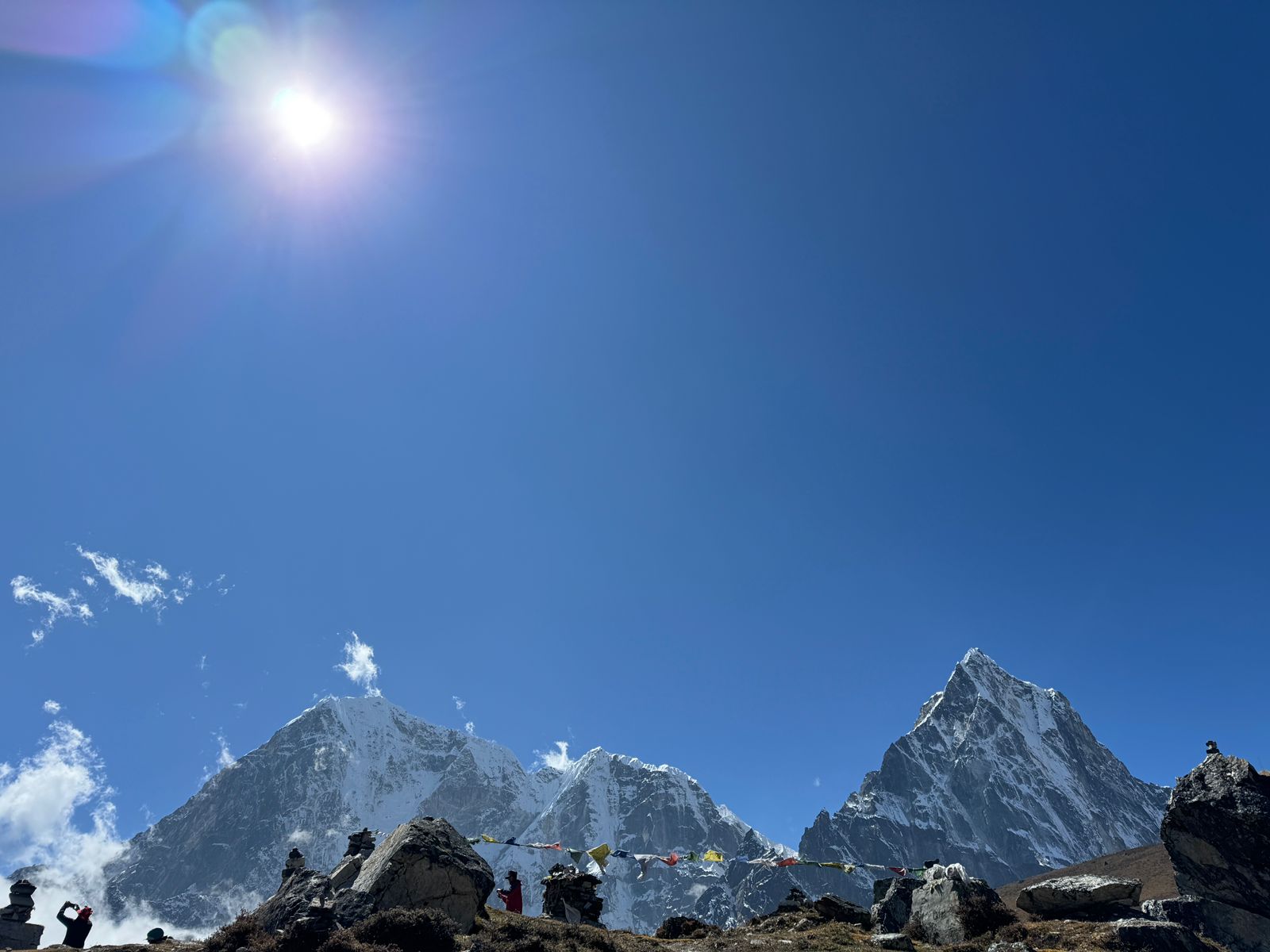
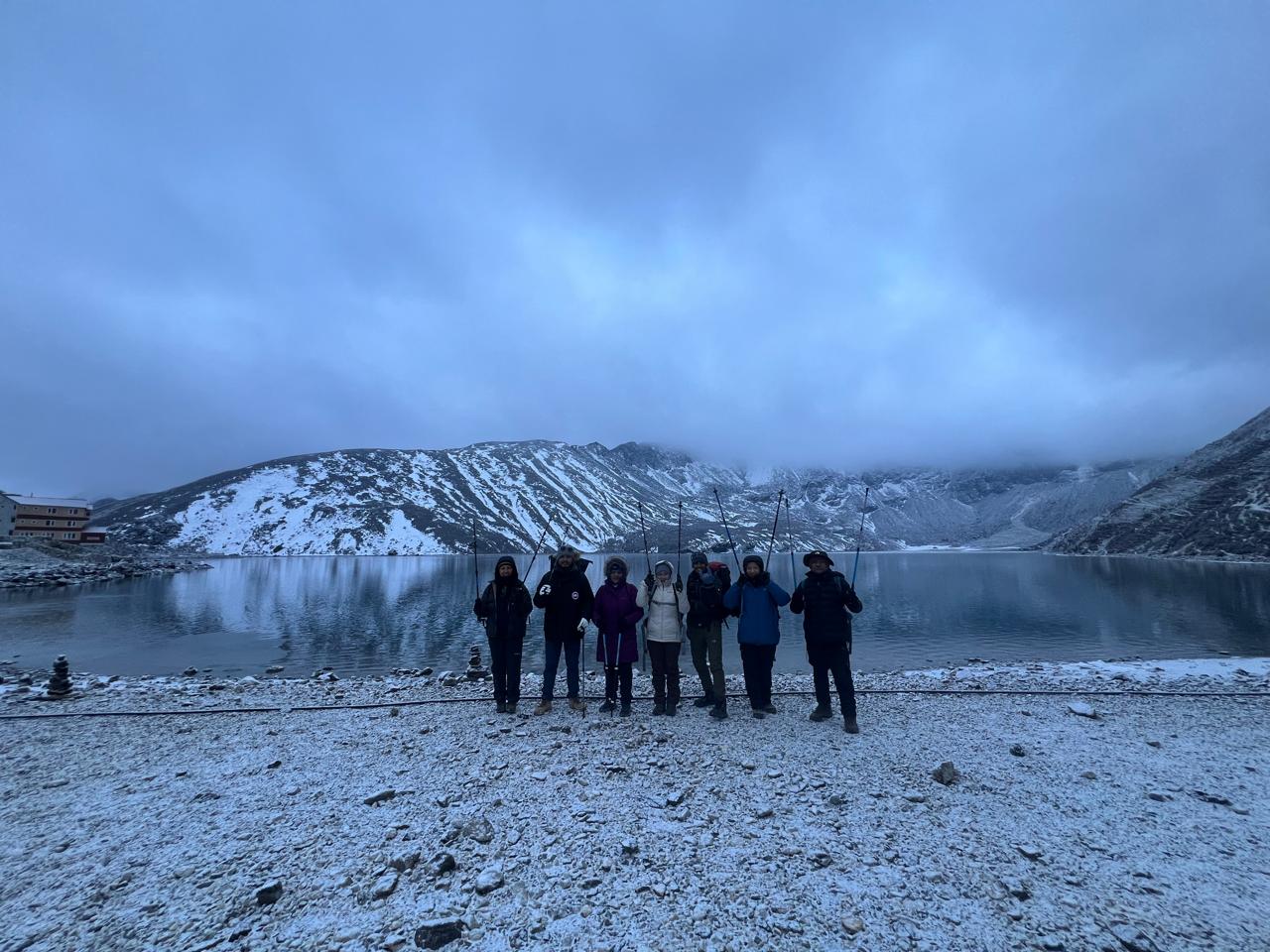
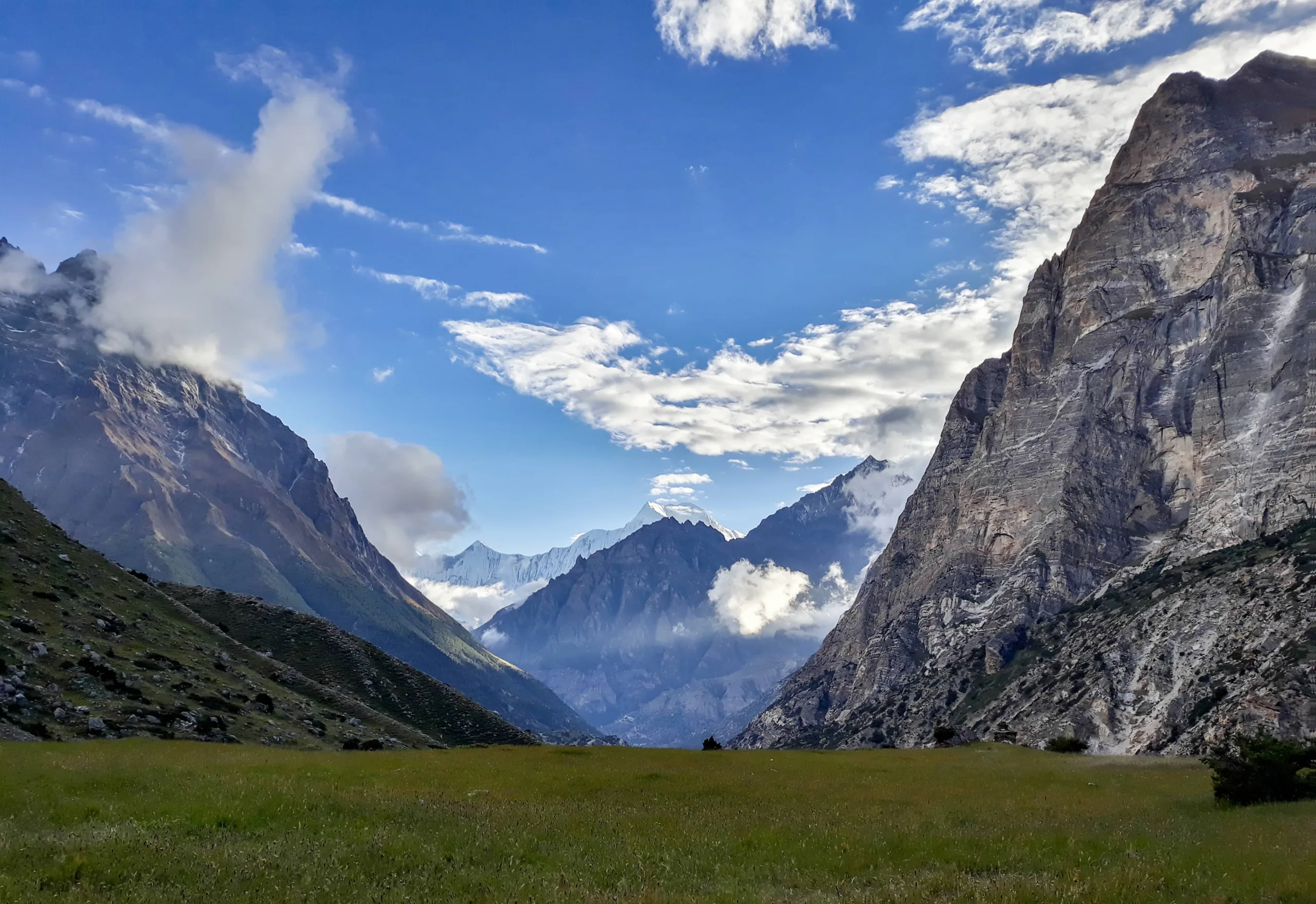
Beautiful Lobuche Peak (6119m/20075 feet) is a peak in Nepal’s Khumbu region. Trekkers and climbers who want to test their mettle in the mountains and take in the breathtaking majesty of the Himalayas frequently travel there. One of the many adventure activities offered by the renowned trekking and mountaineering company Access the Asia Treks in Nepal is climbing Lobuche Peak.
Everest Base Camp Trek with Lobuche Peak Cimbing is a difficult activity that needs a certain degree of technical proficiency and physical preparedness. However, anyone can scale this majestic peak and feel the rush of being on top of the world with the proper support and guidance. Access the Asia Treks offers a complete package with all the services required to make your climb successful.
The Lobuche Peak Climbing is an increasingly popular route in Nepal that passes through the breathtaking Khumbu Himalayan region. Mount Everest, Lhotse, and Nuptse are just a few of the magnificent peaks that can be seen during the journey. The trail offers a wonderful chance to get a glimpse of the distinctive Sherpa culture and way of life as it passes through Sherpa villages, luxuriant forests, and high-altitude landscapes.
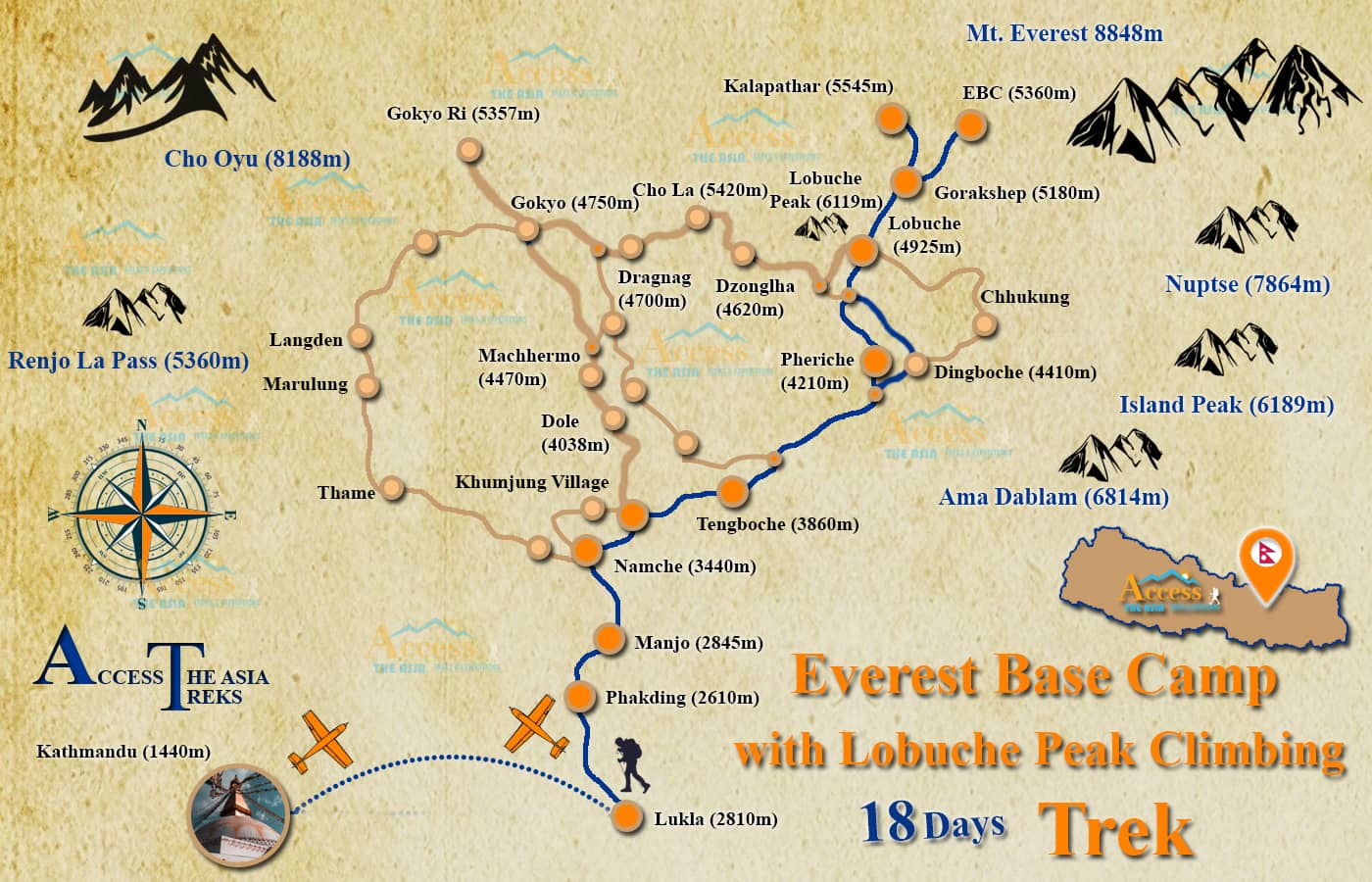
A scenic flight takes you to Lukla, a tiny town in Nepal’s Solukhumbu area, where the trek to Lobuche begins. You pass through traditional Sherpa settlements like Namche Bazaar, Tengboche, Dingboche, and Lobuche on your journey from Lukla. You travel through lush rhododendron and pine woods, lovely alpine meadows, and high-altitude scenery.
The ascent to the top of Kala Patthar, which is located at an elevation of 5,545 meters, is the pinnacle of the Lobuche Peak Climbing. One of the finest places to see Mount Everest and the neighboring peaks is Kala Patthar. The ascent to Kala Patthar is difficult and calls for a high degree of physical fitness. The summit view is absolutely breathtaking, and the ascent takes about two to three hours.
The Everest Base Camp, from which hikers begin their ascents of Mount Everest, is also accessible via the Lobuche Peak Climbing. At 5,364 meters (17,598 feet) above sea level, the base camp offers a great chance to experience the distinctive atmosphere of the base of the highest mountain of the globe.
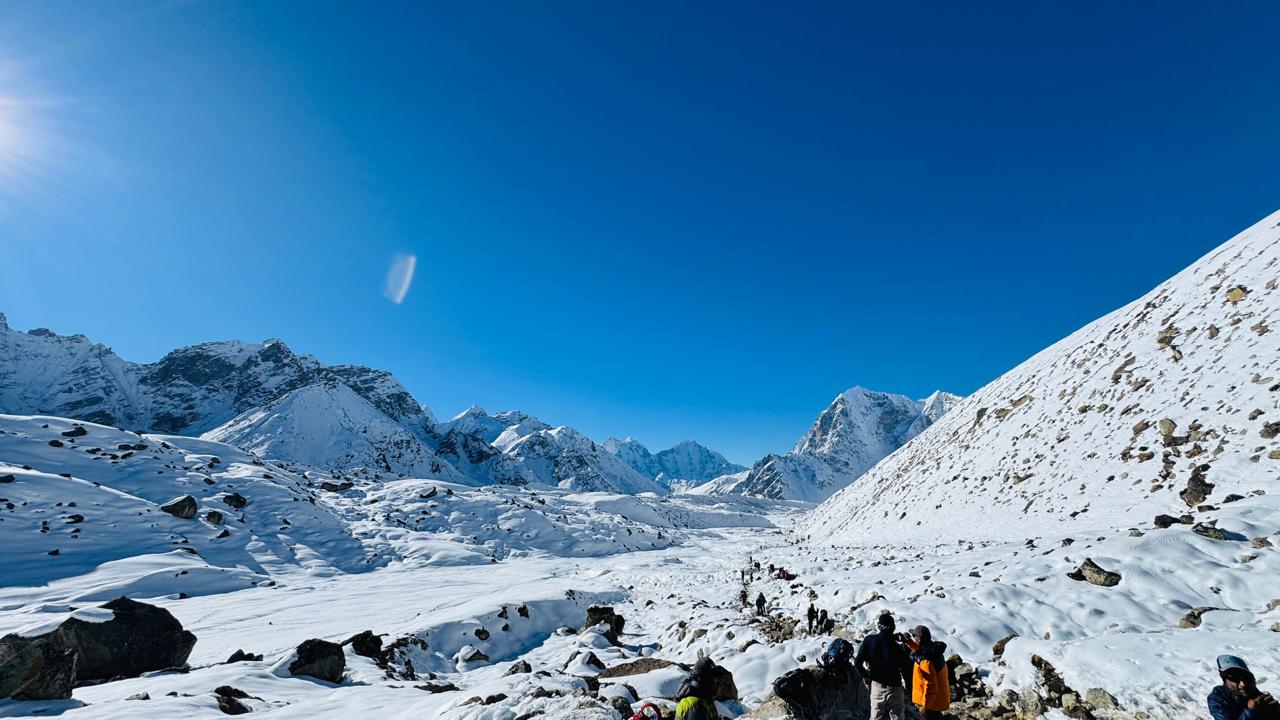
The Khumbu Glacier, Nepal’s biggest glacier, can be visited as part of the Lobuche Trip. The Khumbu region’s glacier is a popular location for trekkers and climbers. You reach the glacier’s edge during the trek, giving you a fantastic chance to view the glacier and its surroundings.
You will spend the night in tea houses and lodges during the ascent, which offer the most basic amenities like a bed and a dining area. Additionally, Access the Asia Treks supplies all meals required for the climb, including breakfast, lunch, and supper. The meals are made by skilled chefs and are adjusted to the climbers’ nutritional needs.
Access the Asia Treks places a high priority on safety and takes all required measures to protect its customers. The Sherpas are prepared to handle any emergencies that may occur during the climb thanks to their first aid training and comprehensive medical supplies.
In conclusion, climbing Lobuche Peak is a difficult but rewarding experience that gives you a chance to discover Nepal’s stunning Khumbu region and test your physical and mental stamina. Access the Asia Treks is a trustworthy and competent company that provides all the services required to make your journey successful. You can securely ascend Lobuche Peak and make lifelong memories with our assistance and guidance.
After your arrival at the TIA (Tribhuwan International Airport), Kathmandu, you are received with warm and hearty welcome by our friendly and accommodating staff along with welcoming banner stand sign outside the arrival terminal. Meanwhile, it is followed up by short welcoming procedure in a typical Nepali tradition and you are escorted to the luxurious hotel in Kathmandu.
During this time period, you can feel the vibes of the bustling lifestyle of Kathmandu city. Various cultural heritages and ancient sculptures with magnificent monasteries are the center of attraction in Kathmandu city.
Furthermore, you are provided with pleasantly brief details regarding your stay in hotel. A comfortable and luxurious stay in hotel of Kathmandu for this night.
One of the explorative days begins with your breakfast and the wonderful morning vibes of the center of Kathmandu.
Highlighting Swayambhunath, Pashupatinath, and Boudhanath as the main attractions.
Swayambhunath (Monkey Temple)
Start your exploration at the iconic Swayambhunath Stupa, perched on a hill offering breathtaking views of Kathmandu Valley. Known as the Monkey Temple due to its lively monkey inhabitants, this UNESCO World Heritage Site is a revered Buddhist sanctuary.
Pashupatinath Temple
A sacred pilgrimage destination for Hindus, Pashupatinath Temple is dedicated to Lord Shiva. Located along the banks of the holy Bagmati River, this UNESCO World Heritage Site is an architectural marvel and spiritual hub.
Boudhanath Stupa
The grand Boudhanath Stupa, one of the largest in the world, stands as a beacon of peace and spirituality. Surrounded by a lively marketplace, this UNESCO World Heritage Site is a haven for Buddhist pilgrims and enthusiasts.
Optional Destinations
Note: Generally, we conduct the briefing after the city tour. Therefore, we have to be prepared accordingly as per the given time frame.
After having breakfast in Kathmandu, you are picked up from your hotel and you set out for a drive to the domestic section of TIA airport where you take an early morning scenic flight to Lukla. You can have an aerial view of panoramic mountains and birds view of the high hills and mountain ranges.
The thrilling and exciting flight to Lukla is an amazing journey from where you start your fist hike to Phakding. It covers the forest areas, small villages and rivers on the way. Lukla is situated at an altitude of 2840m whereas Phakding is at an altitude of 2640m.
After you take breakfast at Phakding, you set out for a hike to Namche Bazaar. This hike is estimated to be around 5 to 7 hours as per your strength and body condition and Namche is located at an altitude of 3440m.
During this hike, you encounter with outstanding mountain ranges and Dudhkoshi river flowing along the side of the Namche Bazaar. You have your lunch before you go ahead than Monji as this place is the last point to get food until you reach to Namche Bazaar.
This hike covers the dense forest with a glimpse of Everest and Lhotse before you reach to Namche Bazaar only in the condition i.e. the weather must be good and the view must be clear and visible. This inclining trial becomes more exciting as you are heading towards the gateway of Mt. Everest and the well-known trading center of Nepal.
This day is allocated for acclimatization in order to adopt with the increasing altitude. Along with this, there are lots of exciting and beautiful spots like coffee shops, bars and restaurants to spend a quality time in a peaceful way.
As this is the trading center so that you can visit around Namche Bazaar and Namche Museum which is 20 minutes hike from Namche eventually hiking to Namche Monastery.
This day is allocated for the trek from Namche Bazaar to Tengboche and it is considered to be the exciting trek as you reach to Tengboche which has beautiful monasteries and the further you head towards this beautiful place; the tree line declines and the beautiful stupas can be clearly visible throughout the way. You can find monks on the way with whom you can take blessings from them as they are considered to be the priest of the Himalayan Region.
Tengboche monastery is the largest monastery in the Khumbu region as you can see lots of prayers flags, prayers stones and prayers wheels filled with religious importance. And, an overnight stay at Tengboche.
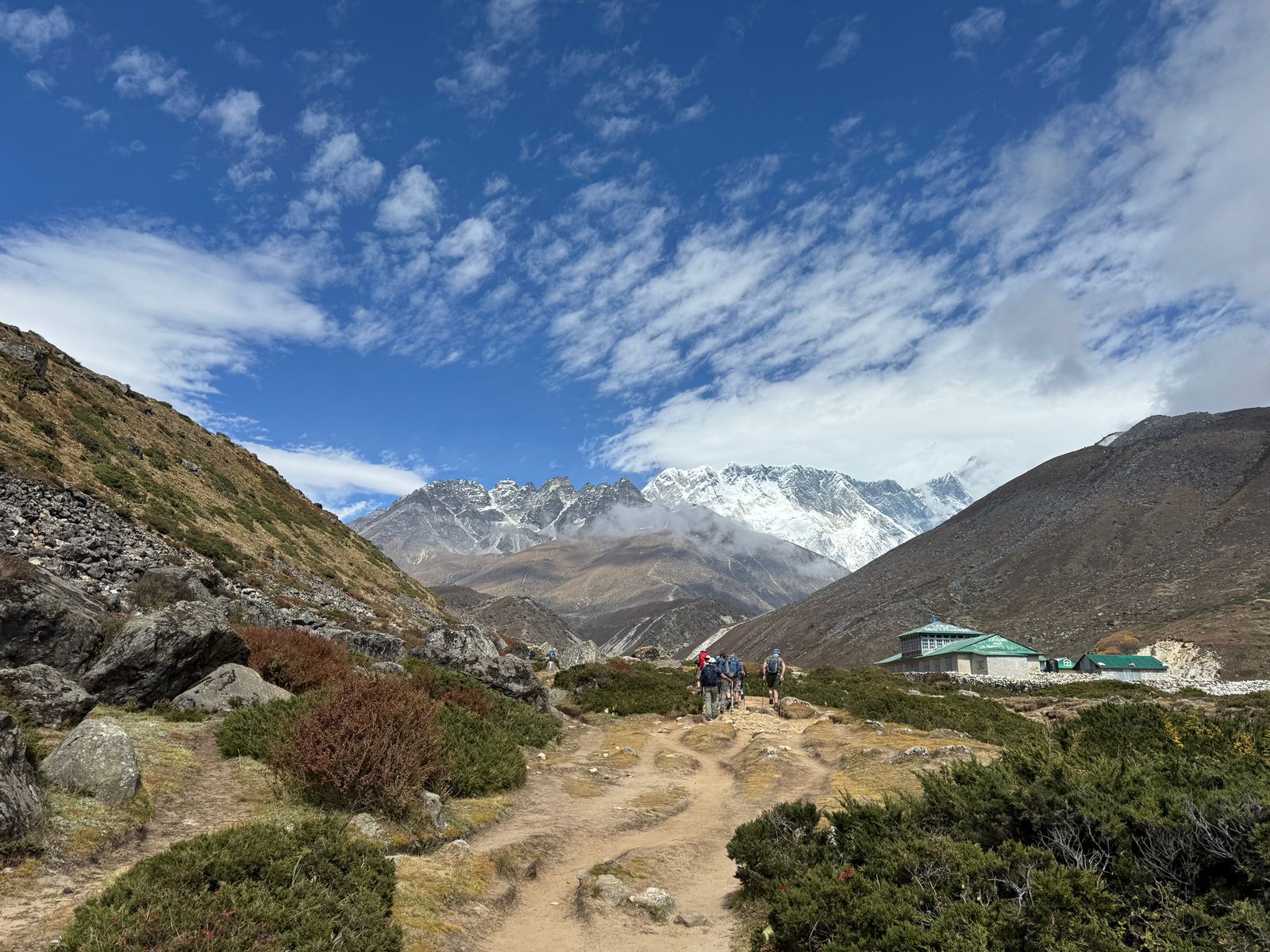
After early morning breakfast, you start a quiet challenging hike to Dingboche as you traverse through the diverse landscapes and glacial river. The topography of this hike is amazing and your soul blends in this wonderful natural creation leaving behind all those hectic and noisy lifestyles.
During this trek you go through the Pangboche Village where you can see the beautiful view of the Mt. Ama Dablam and you also cross the suspension bridge. During the first two to three hours, you have to descend and move ahead the slight inclines during this hike.
This day is allocated for the acclimatization for you to cope up with the altitude that you are ascending each day. Though, you can hike towards the Nangkartshang (5083 m/16676 ft) mountain peak that provides you the best view of the mountains like Makalu, Mt. Twache, Pumori, Cho Oyu, Lhotse, Ama Dablam, Island Peak, and Imja glacier, different landscapes and settlements. It includes the small hiking and this day the acclimatization peak point is 5083m.
Along with this, after you reach to this place, according to your body condition, the senior guide provides you the necessary details and insights of the sightseeing. 360 degree sweeping views from the top is amazing as you can observe the spectacular valleys and panoramic mountain views which makes you feel amazing throughout the time you be there.
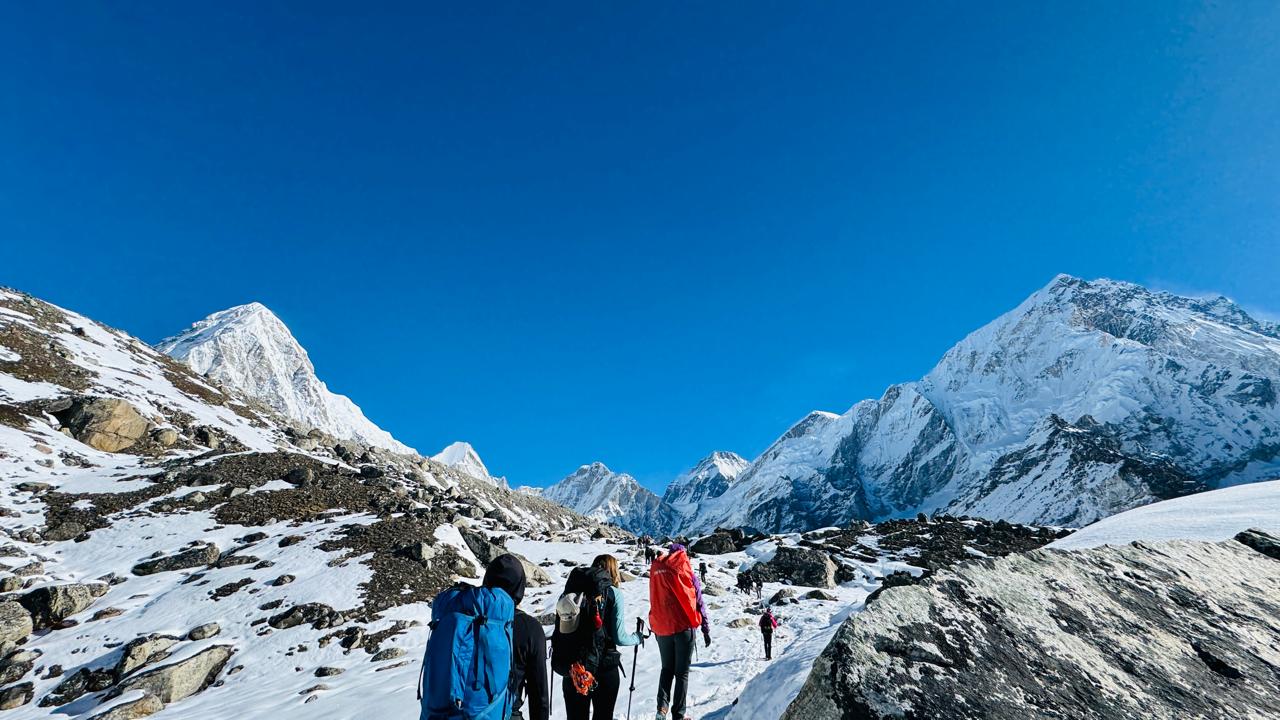
After an early morning delicious breakfast, you set out for a hike to the second highest elevated village in this trekking trial. The important highlight of this particular hike is you can observe the Khumbu Glacier. You can rest at Thungla and traverse Dungla Pass as it is considered to be the tough side of this trial. You can view the Kalapatther from Lobuche and even the slight view of the Mt. Everest and the clear view of Mt. Luptse. Lobuche, somehow is the best platform for the trekkers to spend their quality time as it gives the excellent views of the Khumbu Region.
On this trial, you can see the Lobuche memorials of the brave trekkers who have fallen in the Everest Region. You can pay respect to those brave warriors and move forward to ultimately reach Lobuche.
After taking breakfast at Lobuche, you set out for an exciting and amazing hike full of gigantic mountains ahead during the hike. First, you hike to Gorakshep and Everest Base Camp on the follow through where you can see some mountaineers aiming to reach to the top of the Mt. Everest.
This hike is the platform to experience the most thrilling experience in this lifetime. Although, the view of Mt. Everest is not clear during this hike, you aim to reach to Kalapatther for the better view of Mt. Everest. This hike is estimated to be around 8 hours hike.
After breakfast you set for a trek to Lobuche, the journey from Kalapatthar to Lobuche is difficult and gratifying. The trek begins at Kalapatthar, among the most famous viewpoints in the Everest region, which provides breathtaking views of Mount Everest and the nearby peaks.
The path then turns toward Lobuche, a small settlement at 4,910 meters above sea level. Trekkers will pass through picturesque valleys, glaciers, and rocky terrain along the route, giving them the chance to take in the distinct beauty of the Himalayas. The trek provides an opportunity to learn more about the Sherpa culture and customs that are unique to the region.
Overall, the trail from Kalapatthar to Lobuche is a strenuous but beautiful trek through the Mountains. You pass through the arid Khumbu Valley and offers breathtaking views of the Everest, Lhotse, and Nuptse peaks. As you travel towards Lobuche, you cross through villages and settlements where you can learn more about the Sherpa culture and customs that are unique to this area.
Early morning you set out for the most awaited moment of reaching the summit of Lobuche Peak so that you can escape the reflection of sun rays in the white snowy mountain and the wind. The trek from Lobuche to Lobuche Peak and back to Pheriche is exhilarating and difficult, but it rewards hikers with some of the most breathtaking Himalayan vistas. Starting in Lobuche, the path leads you through rocky moraines and arid terrain while offering breathtaking views of the Ama Dablam, Thamserku, and Kantega peaks.
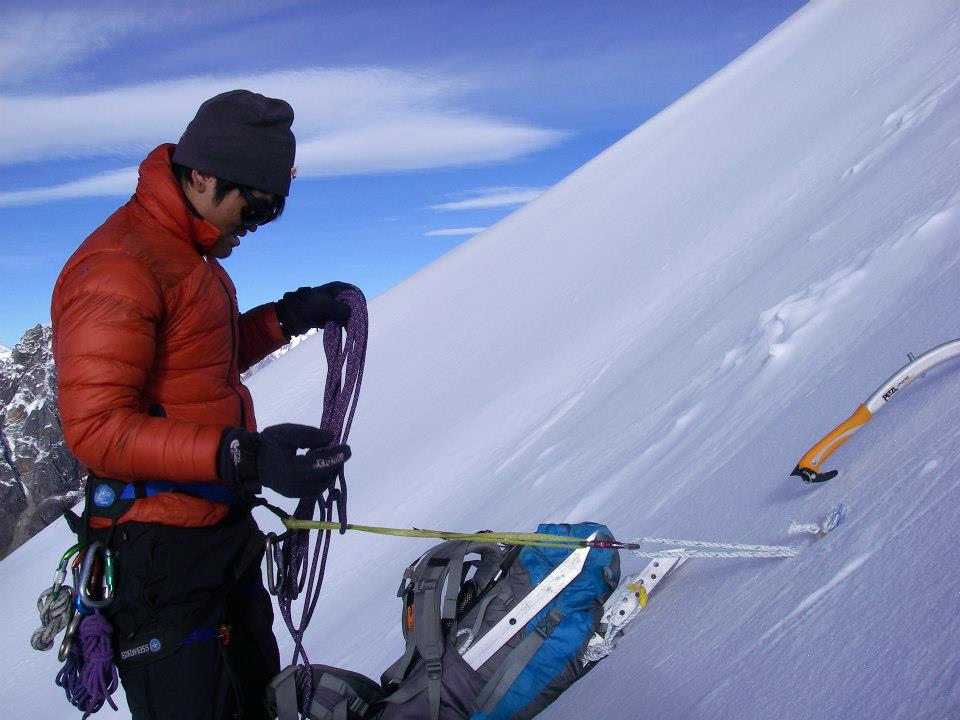
The path gets steeper and harder as you get closer to Lobuche Peak, necessitating the use of crampons and ice axes. Awe-inspiring panoramas of the nearby mountains, including Mount Everest, Lhotse, and Nuptse, can be seen from Lobuche Peak’s summit. After reaching the summit, you will return to Lobuche and then proceed to Pheriche, traveling through a number of tiny communities and villages.
After breakfast you set out for a trek to Namche Bazaar, the gateway to Mount Everest. The trip through the heart of Nepal’s Khumbu Valley on the trek from Pheriche to Namche is beautiful and enjoyable. The Pheriche path leads through verdant forests, peaceful villages, and stunning alpine scenery while providing breathtaking views of the Himalayan peaks in the region.
You pass through traditional Sherpa communities like Pangboche and Tengboche on your way to Namche, where you can explore renowned monasteries and fully experience the local way of life. The trek’s endpoint, Namche Bazaar, is a bustling town with a vibrant market, inviting cafes, and breathtaking views of Mount Everest and other towering summits.
The journey from Pheriche to Namche is an enjoyable adventure that highlights the region’s natural beauty and rich cultural legacy.
After an early morning breakfast, you set out for a hike to Lukla for an early morning flight back to Kathmandu. During descending down to Lukla, you cross the Hillary Suspension Bridge and the route of the Dudh Koshi River Valley. This is the final day of your trek and after this day, your trekking is over and you can have the best memories to share with your loved ones in the future. With all the memories from this trek you ultimately aim to reach Lukla, the final destination of this trek.
After early morning breakfast at Lukla, you set out for a flight to Kathmandu. During this flight, you can have the bird view of the sky rocketing mountains and hills. The 40 minutes fight duration will be your best time ever spent as you can all those memories circling in your mind and view the amazing landscapes out of the window making this trip the most memorable one. After landing on International Airport of Kathmandu, you are escorted back to the Hotel.
After you arrive in Kathmandu with all the beautiful memories captured in your inner soul, you are set to recap all those memories and relax in Kathmandu on this day. Visit around Kathmandu city, shopping, relaxing and spending quality time in Kathmandu will be the pleasure of another dimension after this wonderful trek.
You have to check out at your regular time before 3 hours of your flight schedule. You are dropped off to the airport after successfully accomplishing the exciting and thrilling trekking trial in Nepal.
A detailed gear list is crucial for climbing. With Access the Asia Treks, we ensure the clients safety, comfort and success in the challenging Himalayan environment. To support clients who doesn’t have personal specific equipment, Access the Asia Treks offers rental facilities for high-quality climbing gear, ensuring that all participants are properly equipped. This service not only guarantees safety but also makes the adventure more accessible and stress-free, allowing climbers to focus on the experience while adhering to professional safety standards.
Here’s a list of essential gears for peak climbing:
Climbing Gear:
Clothing:
Camping Equipment:
Safety and Navigation:
Miscellaneous:
This gear list may vary depending on the peak, season, and technical difficulty of the climb.
Company provides the following facilities regarding the climbing gears
Duffle bag – Company provides the duffle bag to carry all your climbing gears except your light luggage during the trek.
Company provides you the renting facilities of the gears and you can rent the gears in Nepal and you have to pay on your own. The gears renting costs around USD 2 to USD 2.5 per day.
Note: If there is any damage in the rented gears, then you must reimburse for the damaged material as per its original cost.
Planning a trek with Access the Asia Treks is an adventure of a lifetime, offering breathtaking views, cultural immersion, and unforgettable memories in the land of paradise. To ensure your journey is seamless and enjoyable, here are the essential things to know before starting on your trekking adventure. This comprehensive guide covers all aspects of preparation, including visas, required gear, cash, first aid, and other important considerations.
Trekking in the majestic Himalayas with Access the Asia Treks is an extraordinary experience that combines nature, culture, and adventure. Whether you’re heading to Everest Base Camp, the Annapurna Circuit, or less-trodden paths like the Manaslu Circuit, preparation is key. Each trek offers unique challenges and rewards, so understanding the terrain, weather, and local customs is crucial. Trekkers should be prepared for altitudes ranging from 1,000 meters to over 5,500 meters and varying climates from subtropical to alpine conditions.
Important Aspects to Know Before the Trek
Physical Preparation: Trekking in Nepal demands a moderate to high level of physical fitness. Begin training several months before your trek with a mix of cardio, strength training, and hiking practice. Consider altitude acclimatization as a part of your preparation.
Trekking Permits: Most trekking regions in Nepal require specific permits like the TIMS (Trekkers Information Management System) card and area-specific permits. For example, the Annapurna Conservation Area Permit (ACAP) or Sagarmatha National Park Permit may be necessary. Access the Asia Treks will assist you with the paperwork. Therefore, our package includes these permit fees and other required documentation.
Cultural Sensitivity: Nepal’s diverse cultures and religions require respect and understanding. Familiarize yourself with local customs, avoid gestures that might be considered offensive, and follow Leave No Trace principles to preserve the environment. Access the Asia Treks is involved in various sanitation campaigns that is directly or indirectly providing the necessary support in preserving the environment being associated with the reputed NGO “Inspire the Youth”.
Visa Requirements
Nepal requires most international travelers to obtain a visa. You can apply for a visa on arrival at Kathmandu’s Tribhuvan International Airport or at Nepalese embassies abroad. The visa fee depends on the duration of your stay (e.g., 15, 30, or 90 days). Ensure your passport is valid for at least six months beyond your travel dates and bring passport-sized photos for the visa application. Access the Asia Treks provides assistance if you need guidance during the visa process.
Gears According to the Trip
Packing the right gear is vital for a successful trek. Access the Asia Treks offers gear rental options for specific items to reduce the burden of carrying everything from home. We have provided the gear details needed in our gear section. We are always ready to guide you for the perfect solution regarding acquiring the complete gears.
Cash Requirements
ATMs are scarce in remote trekking regions, so carry sufficient cash in Nepali rupees for the entire trip. While larger towns like Pokhara and Namche Bazaar may have banking facilities, many tea houses and shops along the trekking routes only accept cash. Budget for accommodation, meals and permits are provided by the company in our package. However, your personal expenses, extra food item, energy bars and incidental expenses are on your own which require the Nepali cash with you during the trek.
First Aid and Health Precautions
Access the Asia Treks provides basic first-aid support during your trek, but you should carry a personal first-aid kit for your personal medication. First aid includes essentials like:
Most of the medications and first aid equipment are carried by the guide. Somehow, it is important for you to take it on your own for your safety and reliability. Stay hydrated, eat well, and listen to your guide’s advice about acclimatization. If symptoms of Acute Mountain Sickness (AMS) occur, inform our guide immediately.
Travel Insurance
Comprehensive travel insurance covering high-altitude trekking and emergency evacuation is mandatory along with the medical expenses occurred during the process.
Communication
Mobile networks are limited, but Access the Asia Treks provides updates about connectivity. Satellite phones may be available for emergencies. We will work out on this one. We will provide you the details regarding the mobile networks and connectivity throughout the trek so that you can be updated with its details. We will also provide you the essential communication medium during the emergency situation.
Environment and Sustainability
Minimize waste by avoiding single-use plastics and use refillable water bottles. Respect wildlife and stay on marked trails. Our guide provides you the spot briefing related to the trekking destination and you must follow the guide’s guidelines and implement accordingly. The main motto of our trekking must be to respect the nature and environment and the sustainable tourism.
Flight Routes to Lukla
Ramechhap (Manthali Airport) → Lukla
During peak trekking seasons (Autumn: late Sept–Nov; Spring: Mar–May), CAAN has designated Ramechhap Airport as the primary departure point for flights to Lukla to reduce congestion at Kathmandu’s airport and improve operational efficiency.
Drive from Kathmandu to Ramechhap:
Flight Duration & Timing
Note: If weather prevents flying, options include waiting to rebook the next day or taking a helicopter charter (at extra cost of your own).
Contingency Days for Weather Delays
To confirm you’re booking with Access the Asia Treks, payment for the selected trek can be made via bank transfer. Please ensure that all applicable bank charges, including transfer fees or intermediary bank fees, are covered by you at the time of payment. This will help us receive the full amount without any deduction.
Once the payment is sent, kindly provide us with the transaction details or remittance slip for verification.
If you experience any issues during the payment process or require assistance of any kind, please feel free to contact us immediately. We are always available to support you and ensure a smooth and reliable booking experience.
For your convenience, we provide the option to hire trekking gear in Nepal. This includes essential items such as:
We recommend renting gear locally only if you do not already own quality trekking equipment, as renting ensures reliable and well-maintained gear suited for Nepal’s conditions.
To ensure a safe and enjoyable trek, please make sure you are fully prepared before departure:
Being fully equipped and prepared ensures a comfortable, safe, and memorable trekking experience in Nepal.
We offer three types of trekking packages to suit your preferences and budget:
All our packages are flexible and customizable, allowing you to tailor your trek according to your personal preferences, schedule, and interests.
Access the Asia Treks provides you the full information prior to the trek. Our representatives are always standby to support you in every situation from the beginning to the final departure. We try our best to make you feel like home with supportive staffs and friendly environment.
You can get VISA on Arrival at Tribhuvan International Airport; or online in advance through Nepal’s Department of Immigration website (for a pre-arrival application).
You will need:
Upon your arrival at Tribhuvan International Airport in Kathmandu, you are warmly welcomed by a representative from Access the Asia Treks highlighting the Nepali tradition. You are then escorted to the hotel, where you can take some time to rest and settle in after your journey to Nepal.
Depending on your flight’s arrival time, the trip briefing will be conducted either the same day or the following day.
You are provided with an experienced leader who can lead you to your destination with proper supervision and care. You are taken care of your comfortable stay and day to day supervision of your balanced diet, water intake, gradual ascend and proper sleep.
As Altitude Sickness is most probable in this region, thus, proper acclimatization and day to day strategy is necessary which is taken into proper consideration from our staffs.
During emergency situation, evacuation procedure is also made standby and your travel insurance must be provided before the trek which must cover the higher altitude evacuation with medical expenses.
Access the Asia Treks provides reliable and comfortable transportation facilities suitable to the category of your trekking package. Transportation is arranged on either a private or sharing basis, depending on the selected itinerary and service chosen.
Whether traveling on a private or sharing basis, Access the Asia Treks ensures smooth transfers between airports (Private only), cities (Private only), and trekking trailheads (Private or Sharing) according to your package category.
Note: For transportation facilities, you can consult with our staffs for more information.
At Access the Asia Treks, we are committed and dedicated to promoting eco-friendly and responsible trekking practices that preserve the natural environment and support local communities.
Our staffs are well trained and provided with proper training for the responsible trekking. Our treks are designed to make lesser environmental impact while supporting cultural respect and sustainability. Cultural immersion, healthy participation in community activities and respecting their cultural and natural values are our priorities.
We encourage the “Leave No Trace” principle by reducing waste, avoiding single-use plastics, and ensuring proper disposal of all non-biodegradable materials. We look forward to creating the trekking campaigns supporting the nature and preserving its values for future. We work closely with local guides, porters, and communities to support the local economy and preserve traditional lifestyles.
Our trekking routes prioritize conservation areas, and we strictly follow government and park regulations to protect wildlife, forests, and fragile mountain ecosystems. We are always committed in respecting the laws to promote the Government and local people initiation to save the nature.
By choosing eco-friendly trekking with us, you can contribute to environmental preservation while enjoying an authentic and responsible Himalayan adventure.
Access the Asia Treks provides necessary information and comprehensive help regarding your stay in Nepal. Our professional dedicated team is committed to assisting you from your planning to the competion of the trek.
Pre-Trip Support: Before your trek begins, our staff offers personalized details to assist you choose the most suitable trekking package based on your interests, fitness level, and travel time frame.
Transportation & Accommodation: We manage and assist you with arranging transportation to and from trekking starting points, whether on a private or sharing basis, according to your package category. As per your interest and service needed, our team also provides sufficient information regarding accommodation options.
On-Trek Guidance & Safety: After your arrival, we will provide you the trek briefing details for your assurance regarding your trek information, gears and overall details. During the trek, our experienced leader will support you who is government-licensed and well-trained porters. Our leaders provide daily briefings on trekking distances, altitude changes, weather conditions, and safety measures which play the vital role for you to cope up with the altitude minimizing the risk of altitude sickness. Monitoring regarding your daily food intake, water intake, gradual ascend, physical and mental condition along with proper sleep, and emergency response coordination are integral parts of our service.
Emergency & Communication Support: In case of emergencies, we provide 24/7 support and coordination for medical assistance or evacuation services when required. We assist you to manage the travel insurance accordingly.
Post-Trek Assistance: After completion of the trek, we assist you with various options as per your feasibility. We arrange your return transportation, travel extensions, sightseeing arrangements, and onward travel plans. We also welcome feedback to continuously improve our services.
For further details or specific inquiries regarding your trekking package, our knowledgeable staff is always available to assist you.
During the official trek briefing, our guide or trek leader will cover all essential details to ensure you are fully prepared and informed. The briefing typically includes:
Trek Itinerary Overvieww
Day-to-day details of the trek and it makes you your vision clear before the trek.
Average trek duration, daily walking hours and the altitude profile to make you understand about the various situations during the trek.
Significant spots and highlights of the trek for you to encounter during the trek.
Safety & Altitude Guidelines
Proper information about the altitude sickness, symptoms and preventive measures. You are introduced with your trek guide so that you feel comfortable to share your opinions regarding it.
Acclimatization days and rest days during the trek for your adaptation with the altitude and the surrounding. This minimizes the risk of Altitude sickness.
You need the travel insurance which covers your emergency evacuation and medical expenses from the higher altitude.
Necessity of oxygen cylinder or portable altitude chambers whenever necessary during the trek or climbing or expedition.
Accommodation & Meals
The information related to mountain accommodation regarding your stay, food, amenities, room facilities, hot water and local tradition.
Meal plans, safe food practices, and dietary options
Packing & Gear Check
We will re-check all your personal gear and clothing whether they match the requirement for the trek or not. If not, we will help you to buy or hire as per the situation.
Recommendations for any missing or optional items that may be rented or purchased in Kathmandu
Weather Conditions & Trail Expectations
Typical weather patterns during your trekking season
Estimated temperatures at different elevations
Terrain details and trekking difficulty levels
Team Introduction
Introduction to the trek leader, assistant guides, and porters
Roles and responsibilities of each team member
Porter weight limits and packing guidelines
Communication & Connectivity
Availability of Wi-Fi, charging facilities, and mobile network
Recommended SIM cards (if needed)
Depending upon the necessity of the satellite phones and emergency contact, we will provide you all the information regarding it.
Insurance & Documentation Check
Verification of travel and rescue insurance
Passport copies, permits, and TIMS/park entry requirements
Final Question & Answer Session
Time for you to clarify doubts
Last-minute advice before departure
Confirmation of departure time for the following day
The climb is an exciting and difficult adventure because it calls for technical abilities like ice climbing, rope work, and glacier travel. It is a challenging climb that provides climbers with a great chance to put their abilities and stamina to the test. The stunning Khumbu area of Nepal, home to Lobuche Peak, provides breathtaking views of the Himalayan range, including Mount Everest. The ascent offers a chance to get a taste of the Sherpa people’s hospitality, way of life, and local culture. An excellent way to prepare for expeditions at higher altitudes, like those to Mount Everest or other 8,000-meter peaks, is to climb Lobuche Peak. It gives climbers a chance to gain confidence and experience before trying more difficult climbs.
The trek usually takes 18–21 days, including travel, acclimatization, the EBC trek, and Lobuche Peak climbing.
Depending on your interest, we can customize the trek.
It is considered challenging to strenuous. You need good physical fitness, stamina, and mental readiness for high-altitude trekking and climbing.
Pre-monsoon (March–May) and post-monsoon (September–November) are ideal.
These seasons offer clear skies, stable weather, and great mountain views.
Basic experience with crampons, ice axes, and high-altitude trekking is helpful, but guides provide training. No advanced technical experience is required.
You will stay in teahouses and lodges during the trek. For Lobuche Peak, accommodation may include basic lodges or tents depending on the route and weather.
Flights operate from Ramechhap or Kathmandu to Lukla, depending on the season. Contingency days (1–2 days) are advised due to weather-related delays. Helicopter transfers to Lukla are also available at your own cost.
You should be able to walk 5–6 hours daily on steep trails, carry a daypack, and handle altitude and cold conditions. Pre-trek training is recommended.
Yes, altitude sickness is possible above 3,000–4,000 m. Proper acclimatization, hydration, and slow ascent are key. Our leaders monitor your health closely.


Essential items include warm clothing, trekking boots, sleeping bag, crampons, ice axe, trekking poles, sun protection, headlamp, and personal medications.
Yes. Insurance must cover high-altitude trekking, climbing up to 6,200 m, and emergency evacuation with medical expenses.
It’s highly recommended to hire a licensed guide and support team, especially for Lobuche Peak, for safety, navigation, and logistics.
The climb involves steep snow and ice slopes, requiring 3–6 hours per day of climbing with proper gear. It’s moderate technical mountaineering rather than extreme climbing.
Teahouses serve simple Nepalese meals, soups, noodles, rice dishes, and snacks. For Lobuche Peak, guides often provide packed meals or cooked food at base camp.
You need TIMS (Trekkers’ Information Management System) card, Sagarmatha National Park entry permit, and Lobuche Peak climbing permit.
Typically 4–7 hours per day, depending on altitude and terrain. Some summit days may take 6–8 hours including breaks.
Pre-monsoon and post-monsoon offer clear skies and mild temperatures in lower regions. Higher altitudes are cold and windy, especially near Lobuche Peak.
Yes, solo trekkers are welcome, but it’s safer to travel with a guide for logistics, permits, and high-altitude safety.
Yes, the itinerary includes rest/acclimatization days at Namche Bazaar and Dingboche to reduce the risk of altitude sickness.
This trek offers breathtaking Himalayan scenery, Sherpa culture, Everest Base Camp views, and the adventure of climbing Lobuche Peak. It’s a once-in-a-lifetime journey combining trekking and peak climbing.
The highest point is Lobuche Peak (6,119 m / 20,075 ft), while Everest Base Camp itself is 5,364 m / 17,598 ft.
| No. of People | Price per Person |
|---|---|
| 1 | USD $2830 |
| 2-4 | USD $2480 |
| 5-9 | USD $2330 |
| 10+ | USD $2150 |