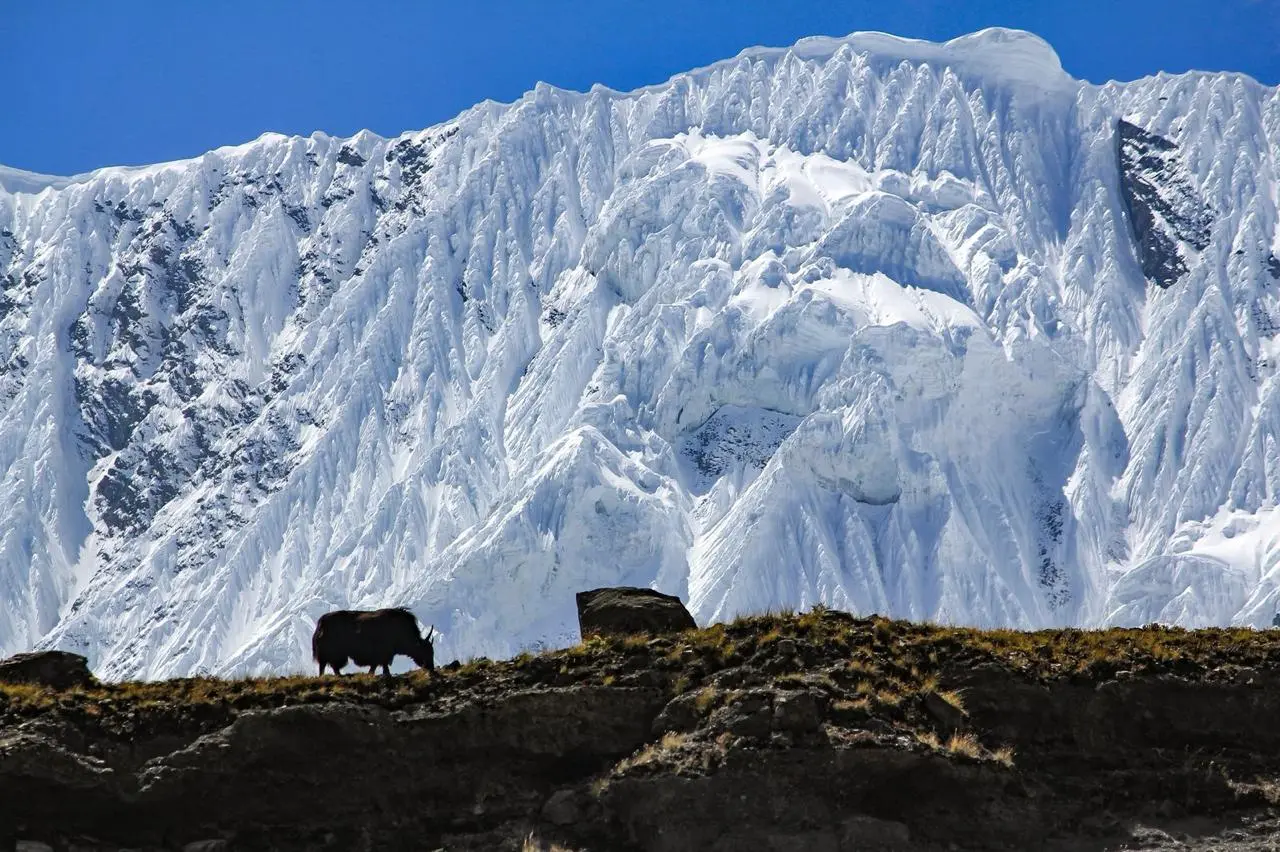
Access the Asia Treks provides you the best offer for the winter trek in Nepal. You can join our trek offer and get the exciting experience in the land of paradise. However, during the winter season, you have to be precautious and plan the trek accordingly. Our experts can guide you from the beginning to the completion of the trek.
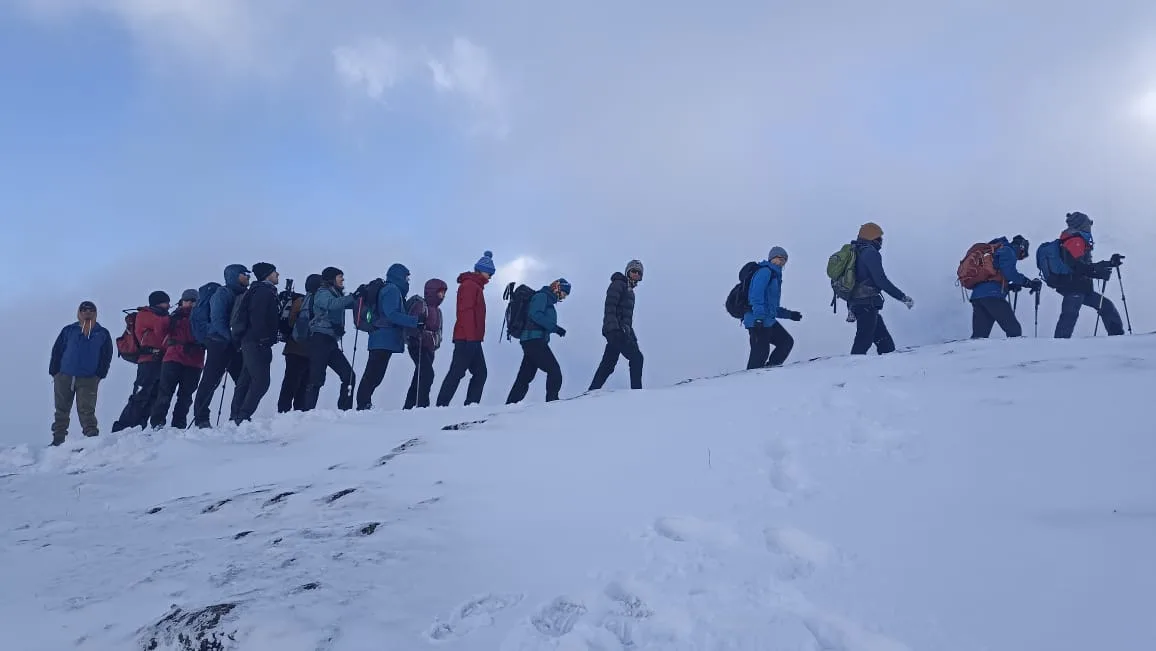
Winter trek in Nepal is fun when you are prepared accordingly. During winter season in Nepal, the weather becomes cold and, in the Himalayas, it can be extremely cold. However, if you pre-plan and Himalayan trekking preparation is done wisely then you can accomplish this wonderful experience and gain once in a lifetime experience in every journey you begin here.
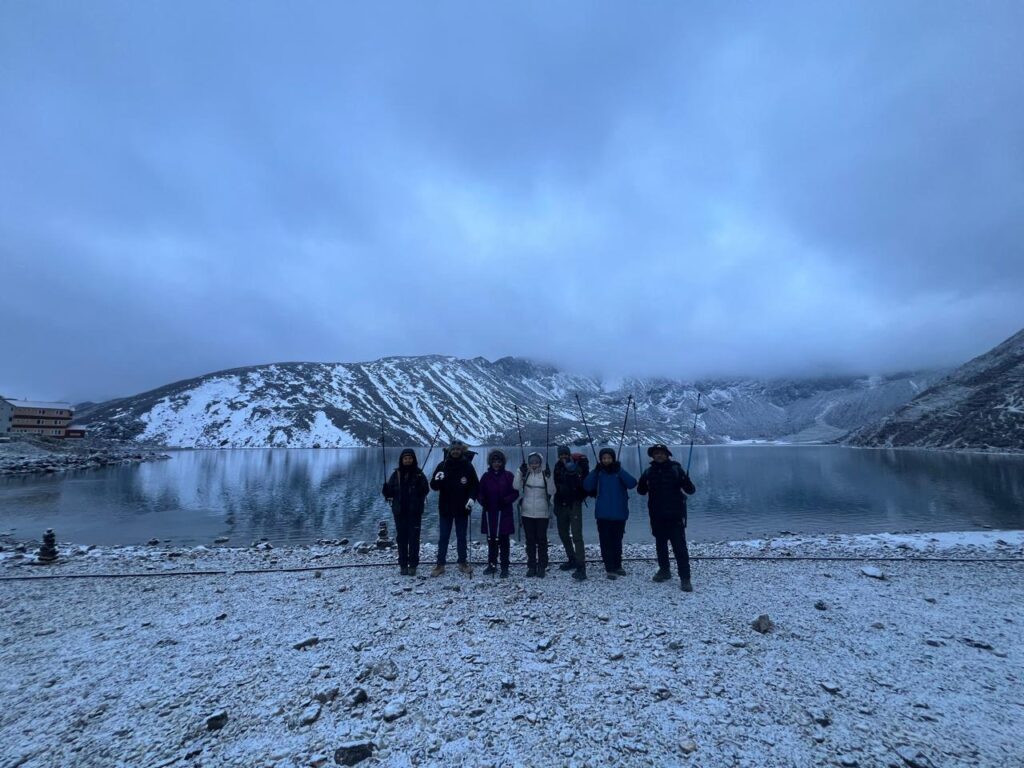
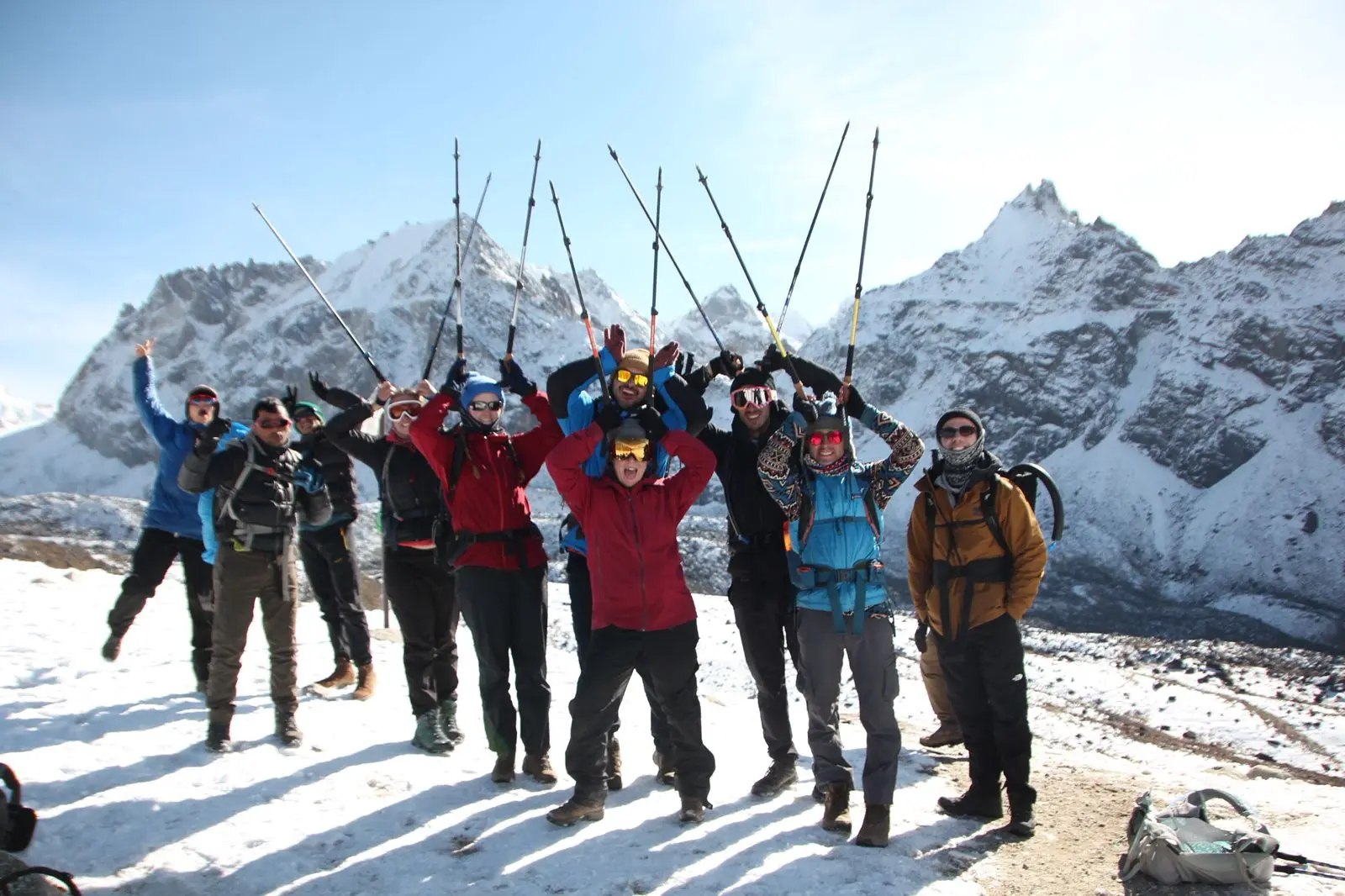
Group at Gokyo Lake
Is Winter Trek in Nepal Possible?
Yes, Winter trek in Nepal is possible in winter (Dec–Feb), and many popular routes remain open year-round. Somehow, you have to choose the reliable travel agency and an experienced licensed trekking guide to lead you to wonder of Nepal with safety. Even technically demanding routes like Everest 3 Pass Trek can be done in winter with proper skill and support. However, conditions are harsher and more demanding than in peak seasons.
What are the major challenges and risks in Winter trek in Nepal?
Extreme low temperature in the higher altitude. At high altitudes (>4,000 m), nighttime temperature may drop to –10°C to −20°C or lower, and daytime can still remain below freezing and wind chill factor can make it feel even colder.
Frostbite, hypothermia, and difficulty sleeping and warming up can be the main issue. This can be prevented with proper preparation and adequate gears.
Snowfall and ice can make trails slippery and make the route difficult to explore. Flights to mountain airports (e.g., Lukla, Jomsom) are frequently delayed or cancelled due to snow and winds. Therefore, you should always include buffer days in the itinerary.
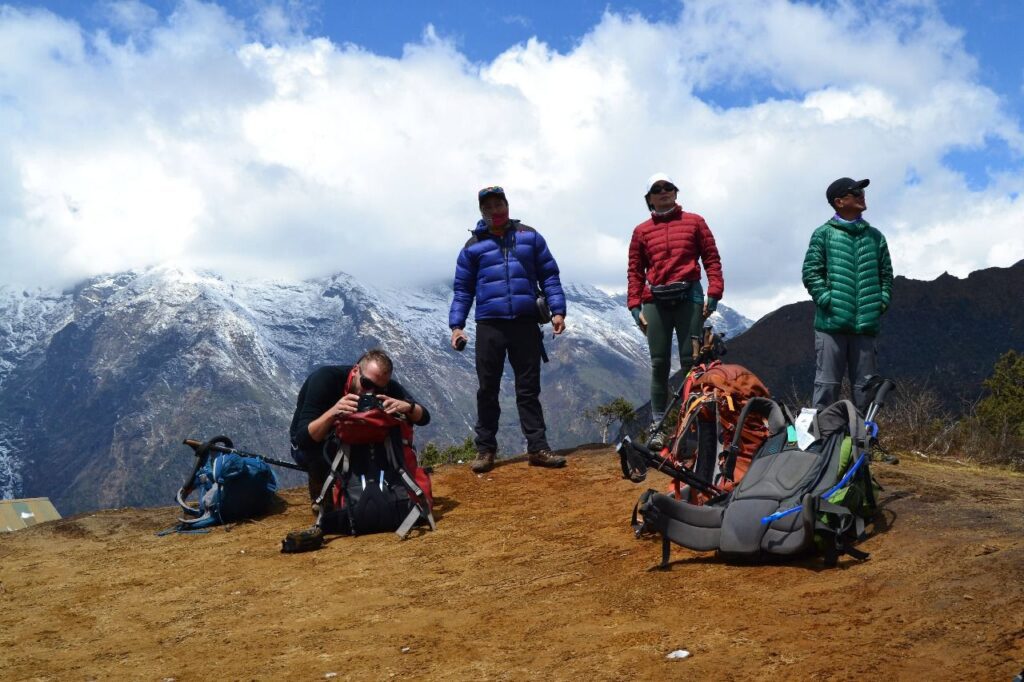
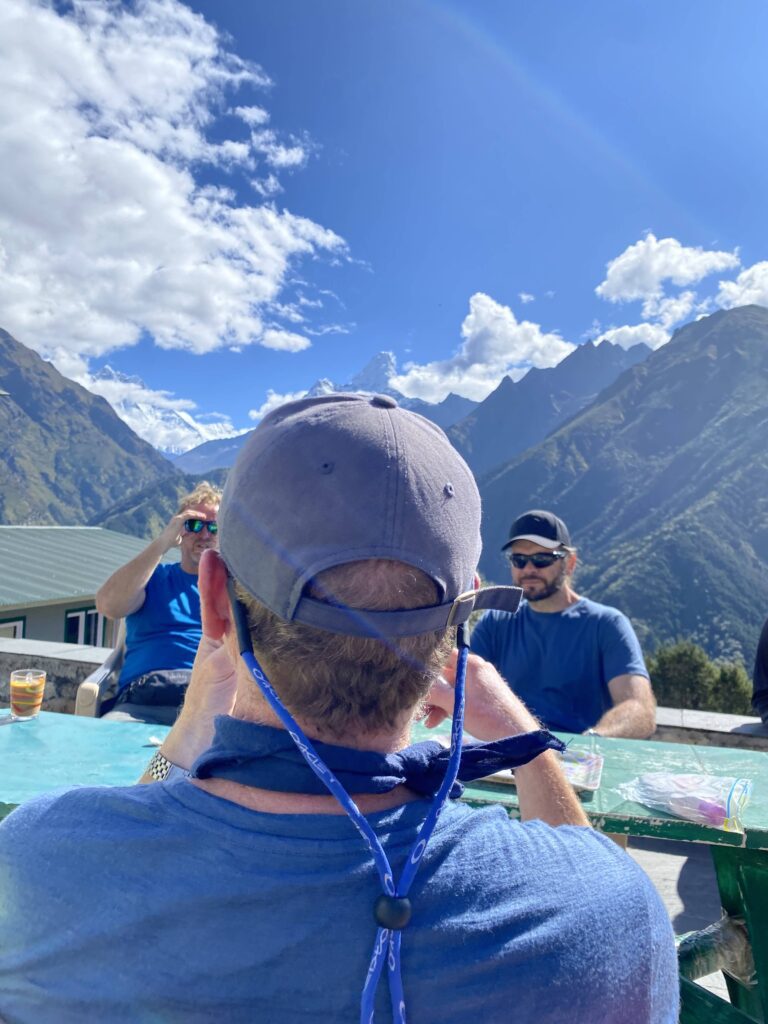
short break after long hike
What are the preventive measures to apply during Winter trek in Nepal?
Keep warm layers and high-quality sleeping bags designed for sub-zero conditions. Along with this, you have to attend the pre-briefing of the trek organized by the travel agency in order to get the full information regarding your gears and trekking equipment.
Thermal base layers, fleece and insulated mid-layers, down jacket and waterproof shell, warm gloves, hats, neck buffs, insulated and waterproof boots, dress in layers to adapt from deep cold mornings to sunny afternoons are necessary to keep yourself warm.
Trekking poles, Headlamp (short daylight hours), crampons/micro spikes, First-aid kit + altitude medicine, Oximeter to monitor oxygen saturation and experienced guide support are highly recommended. You have to manage cold-weather sleeping setup and other necessary elements during the Winter trek in Nepal.
Gradual ascent, acclimatization rest days, hydration, monitoring symptoms, and descent if needed. Along with this, you should always take the weather forecast into consideration and plan your trek accordingly. If you manage to have to the experienced leader then you won’t have any problem during the trek in case of any difficulty.
Travel insurance is also very important that includes the high-altitude trekking and evacuation process along with the emergency medical expenses.
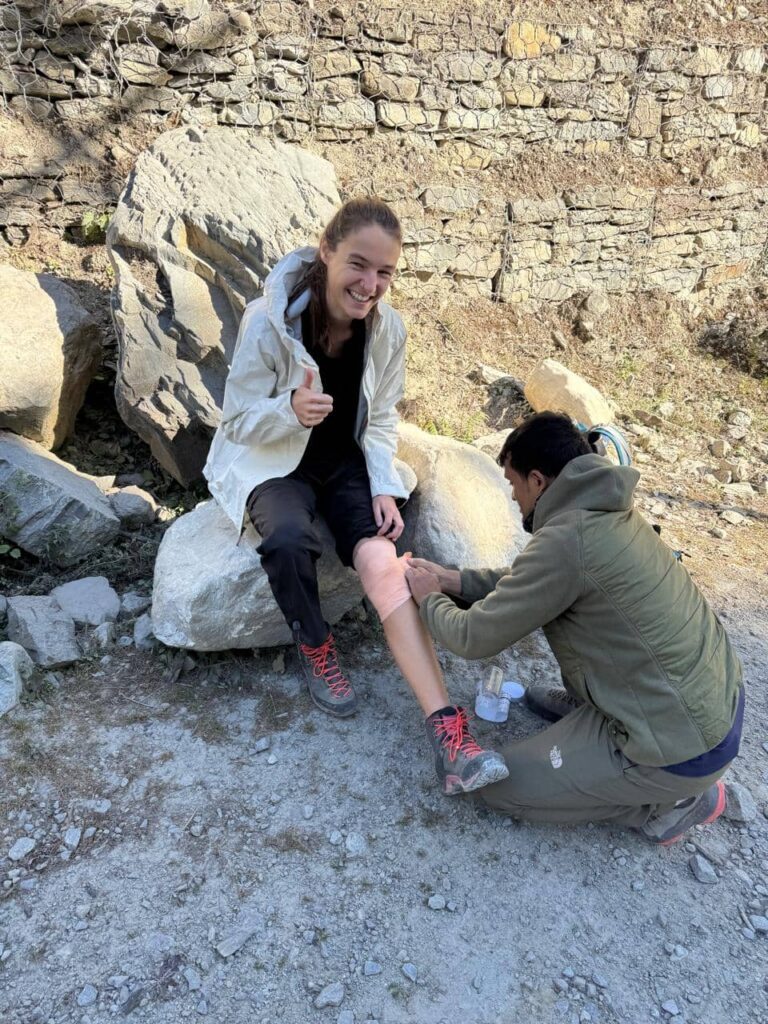
Medical gears/Medical-Kit
Altitude Sickness (AMS, HAPE, HACE)
Winter doesn’t reduce altitude sickness risk; in fact, cold and strenuous conditions can worsen it, and symptoms of high-altitude sickness shouldn’t be neglected at any cost.
For more information of the Altitude Sickness and its preventive measures, you can click here.
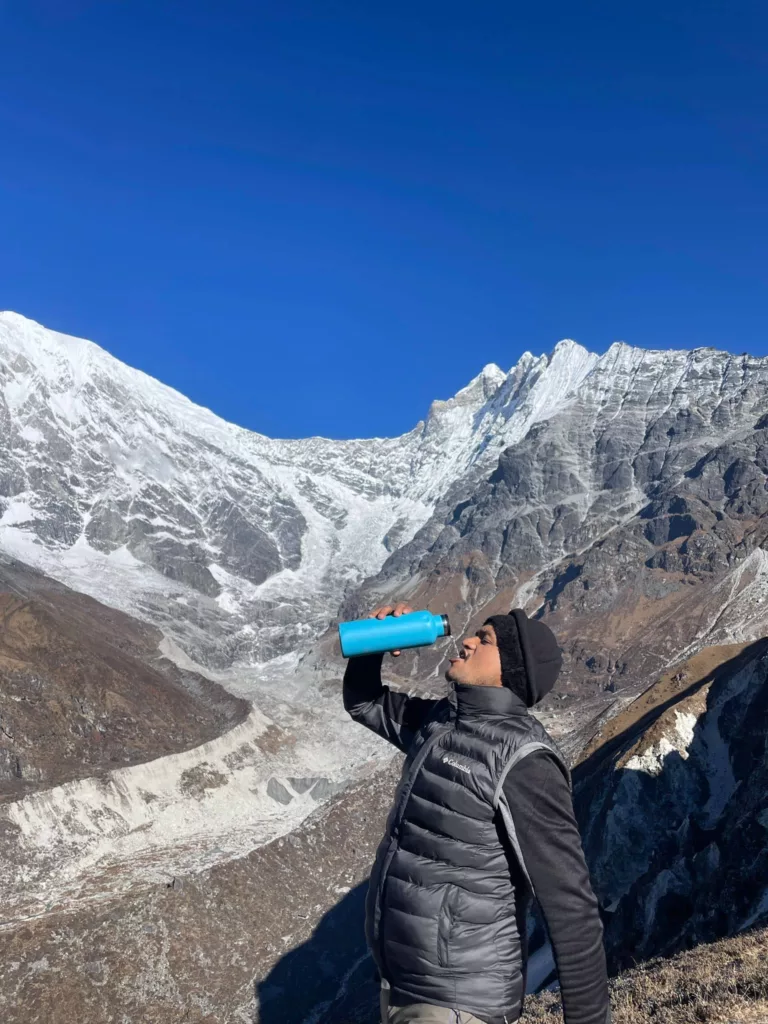
Hydration during the winter trek in Nepal
What is the Trip Planning & Logistics needed?
Guides & Porters
Nepal has regulations requiring licensed guides for solo trekkers. During the Winter trek in Nepal, you require them the most. This enhances safety and you can be stress-free during the trek and enjoy in a hassle-free way.
Guides help with route decisions, weather updates, emergency response, and acclimatization pacing. These requirements are the most essential factors in the Winter Trek in Nepal.
Permits & Insurance
Trekking permits are issued year-round.
Travel insurance that includes high-altitude evacuation and helicopter rescue is strongly recommended along with the emergency medical expenses.
Health & Nutrition
Cold weather hides thirst but dehydration still occurs. You have to drink 3–4 L/every day of warm water. You have to intake carbohydrate-rich, high-energy foods. You have to have the warm meals that fuel your body and help maintain core temperature. Meanwhile, if you hire the licensed guide from the reliable trekking agency then, you are monitored and supervised with everything regarding your sleep, food, hydration level, ascent and proper accommodation.
Acute Illness Prevention
Cold increases risk of coughs, colds, dry skin, and respiratory issues. You have to carry medicines for minor and practice good hygiene (warm water and sanitizer).
Daylight & Trek Timing
Winter days are shorter often ~6–8 hours of usable daylight. You have to start early, finish trekking before sunset, and schedule shorter daily distances.
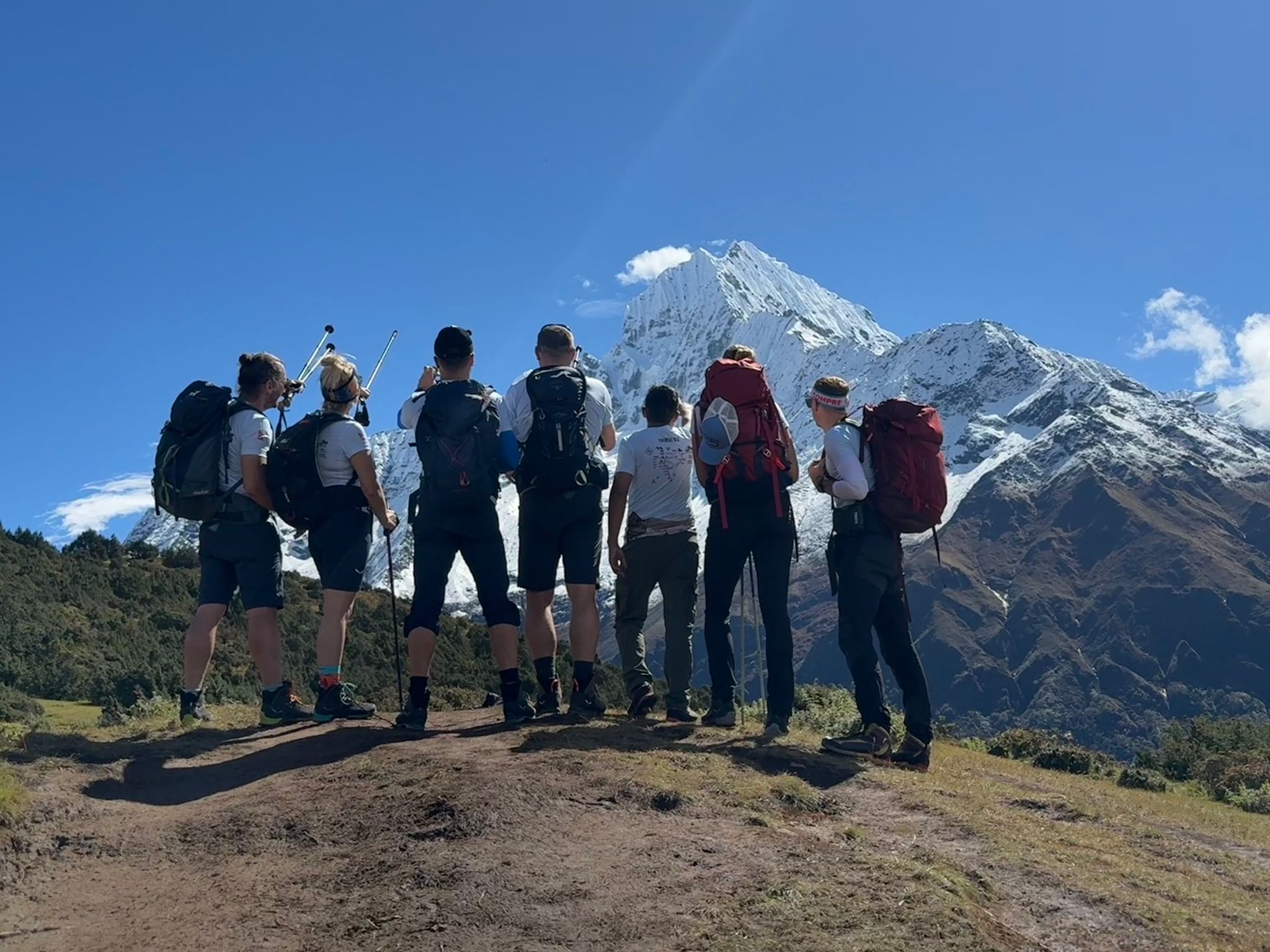
Sunny afternoon in winter trek in Nepal
Final Precautions & Tips (Summary)
✔ Book with a reliable trekking operator
✔ Pack winter-specific gear and avoid cotton
✔ Monitor weather forecasts daily
✔ Have insurance that covers high-altitude rescue and emergency medical expenses
✔ Pre-book accommodations where possible (Done by the company)
✔ Prioritize gradual ascent and acclimatization
✔ Always follow guide instructions and be ready to descend early if conditions worsen
Winter trek in Nepal offers a peaceful and magical Himalayan experience, with snow-covered trails, crystal-clear mountain views, and fewer crowds. The cold season brings stunning scenery, quiet paths, and unforgettable sunrises over the peaks, making it perfect for nature lovers and photographers.
With proper preparation, you’ll enjoy safe, well-guided winter adventures, cozy teahouses, and personalized service from experienced local guides. Discover Nepal beyond the busy season and experience the Himalayas in their purest winter beauty.