Nepal is the #1 trekking country: from relaxed day hikes to high-altitude treks lasting several weeks, everything is possible here. We did the legendary Annapurna Circuit Trek with Access the Asia Treks. Here you can get a compact overview of our 15-day trekking experience. In this blog post, we share practical tips on planning, equipment and the highlights that will make trekking in Nepal unforgettable.
All details, personal experiences and the complete daily program can be found in our detailed travel diary.
For trekking in Nepal, spring (March to May) and autumn (September to November) are the ideal months. During these times, the weather is stable, the mountains are clearly visible and the temperatures are pleasant – perfect for multi-day hikes.
The monsoon season from June to August brings a lot of rain, slippery paths and limited visibility in the mountains, while winter (December–February) is cold and snowy, especially in higher regions. Trekking is therefore only recommended in lower valleys during this time.
Important before your Nepal trip
A trekking adventure in Nepal – for example on the Annapurna Circuit – is unforgettable, but good preparation makes the difference between stressful endurance and relaxed travel. Here are the key points to keep in mind:
1. Physical preparation for the trek
Trekking in Nepal is challenging, especially at higher altitudes, where the air is thinner and each route requires more energy. A solid basic level of fitness makes the adventure much more enjoyable. Start being active regularly a few months before the trip: running, climbing stairs, short hikes – ideally also with a backpack to get used to the weight.
2. Visa for Nepal
To enter Nepal, you will need a valid visa, which you can apply for either in advance online or upon arrival at the airport in Kathmandu. We did this on site without any problems during our trip – but it is worth checking the current rules beforehand, as the regulations can change.
3. Insurance for the trek
Trekking or travel insurance is mandatory. Make sure it covers high-altitude mountaineering and any emergencies in remote regions. In the Himalayas, unexpected weather changes, illness or accidents can occur quickly – good insurance gives you security and protects you from high costs. We recommend Young Travellers who also insure high-risk sports. You can find more detailed information and prices directly on the website.
Please note that we do not offer insurance advice or brokerage – we only share our personal experiences and opinions. For individual advice, contact Young Travellers directly.
4. Trekking permits
Many regions in Nepal, including the Annapurna Circuit, require special permits such as the TIMS map or the Annapurna Conservation Area Permit (ACAP). If you are traveling with an organization like Access the Asia Treks, the guides will take care of all the formalities.
5. Hiking equipment
Pack weather-appropriate clothing and trekking gear. Access the Asia Treks also offers rental options for certain pieces of equipment. For example, we borrowed a sleeping bag and a thick down jacket on site. Be sure to test shoes, clothing and backpack at home beforehand.
Annapurna Circuit Trek – 15 Days Hiking Adventure
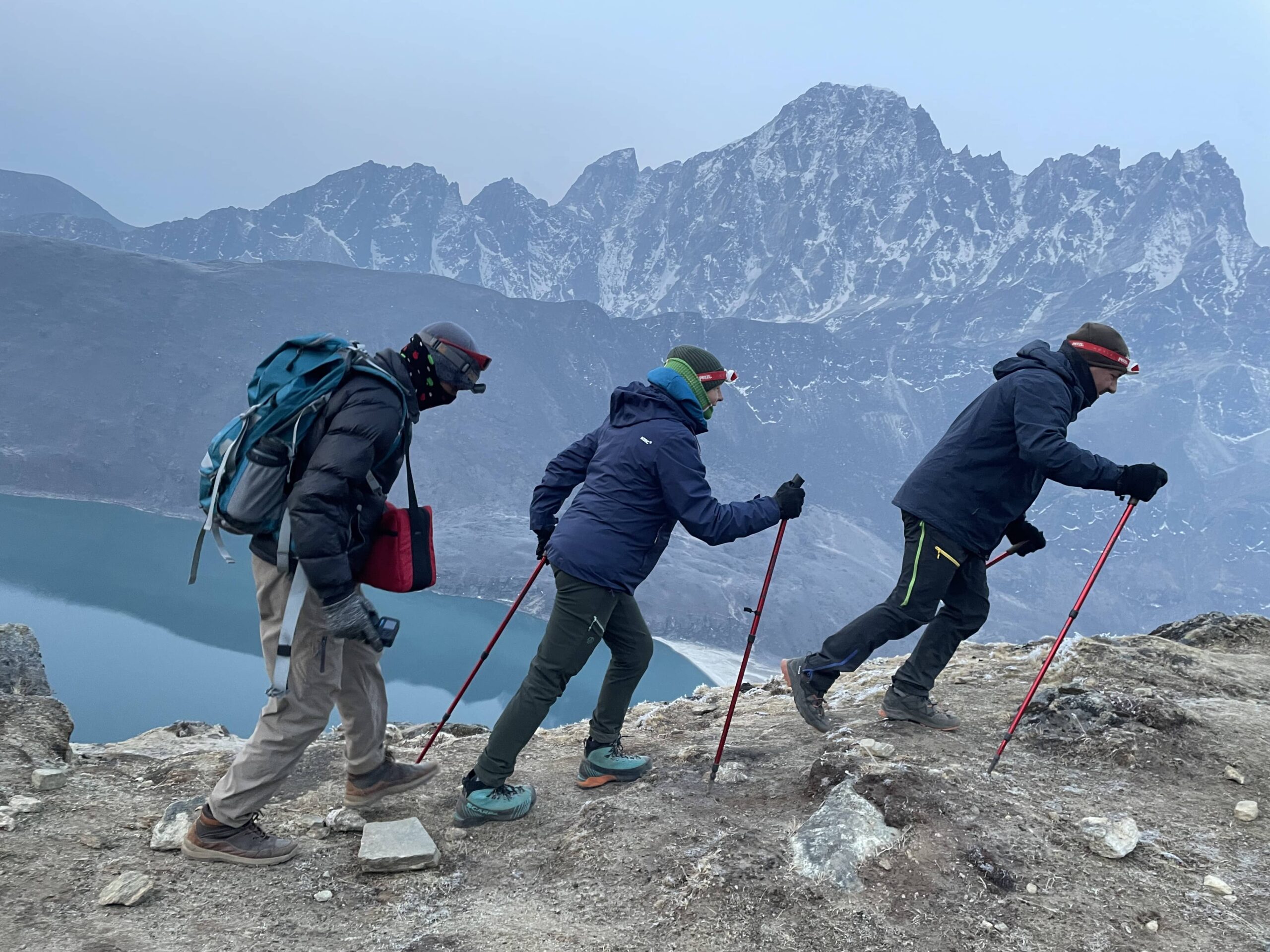
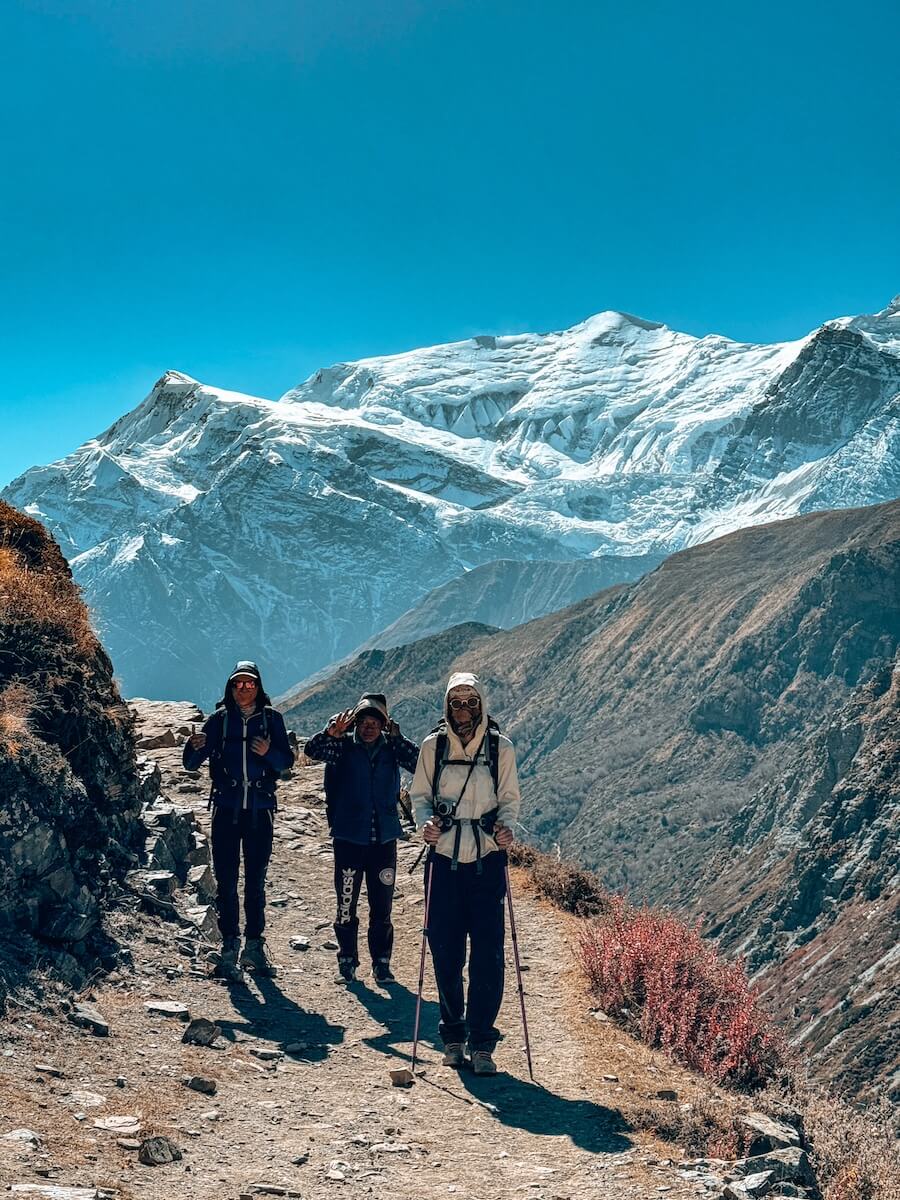
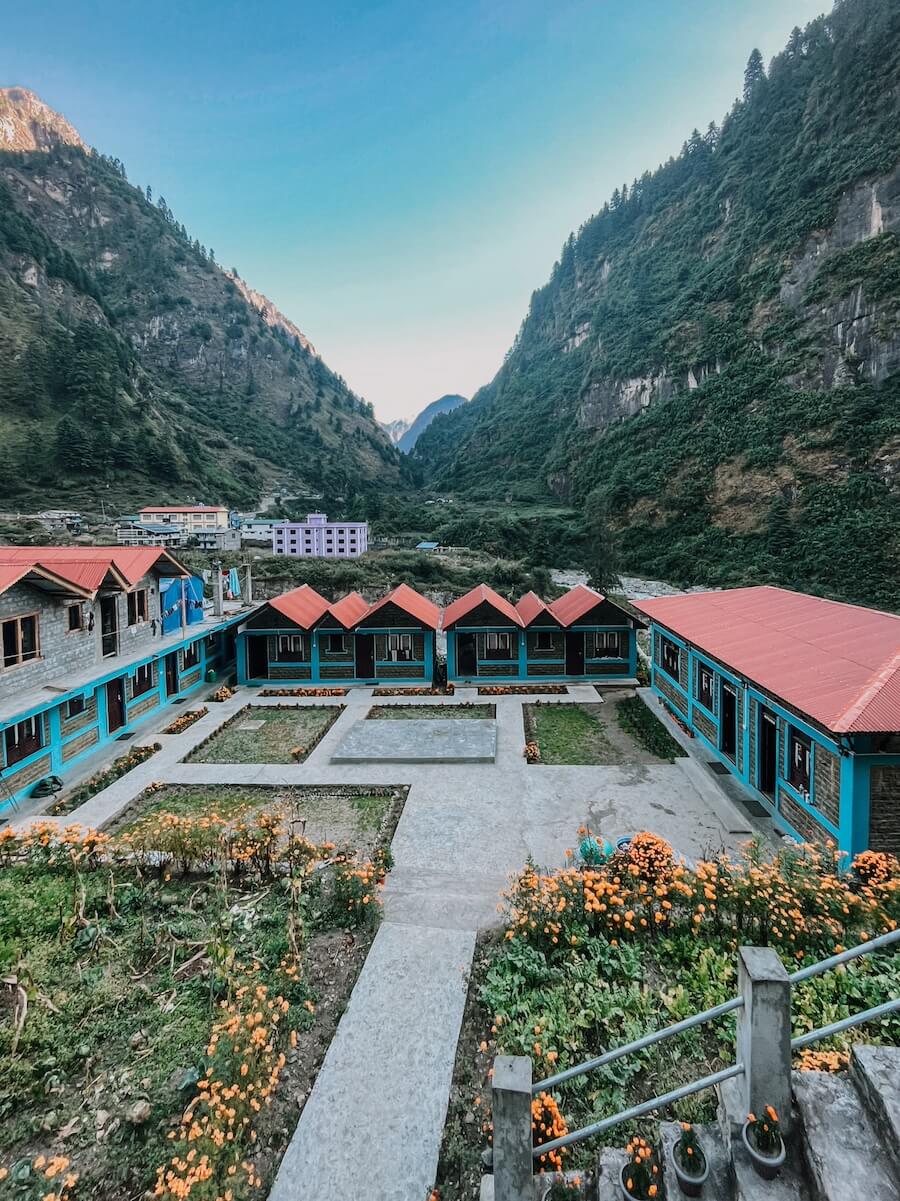
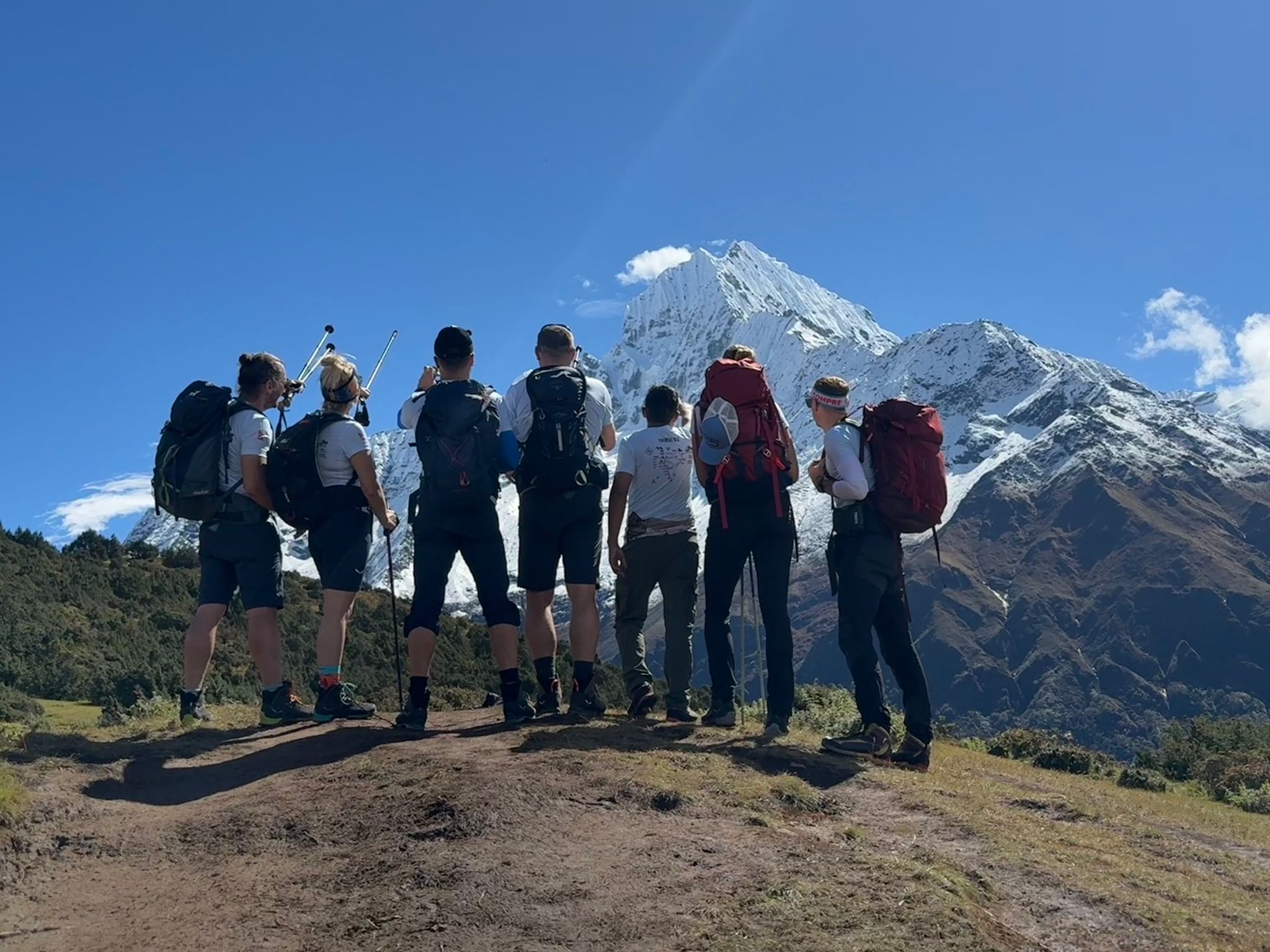
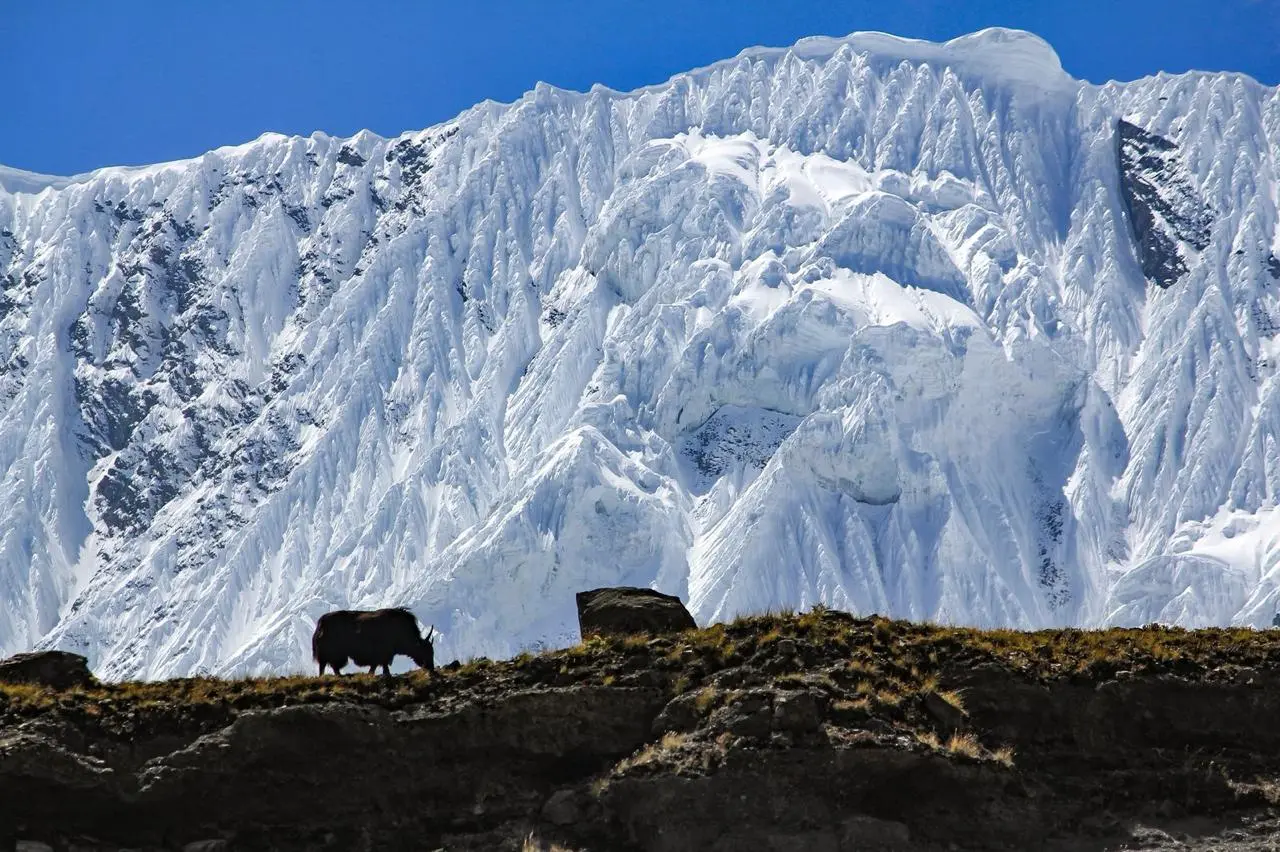
The Annapurna Circuit is a classic among the trekking routes in Nepal – and our 15-day tour was intense, varied and unforgettable. The route took us from Besisahar through green valleys, rice terraces and traditional villages, past breathtaking views of Annapurna, Dhaulagiri and Machapuchare. On the way we stayed in cozy lodges, got to know the warm hospitality of the locals and immersed ourselves in the Nepalese culture away from the cities.
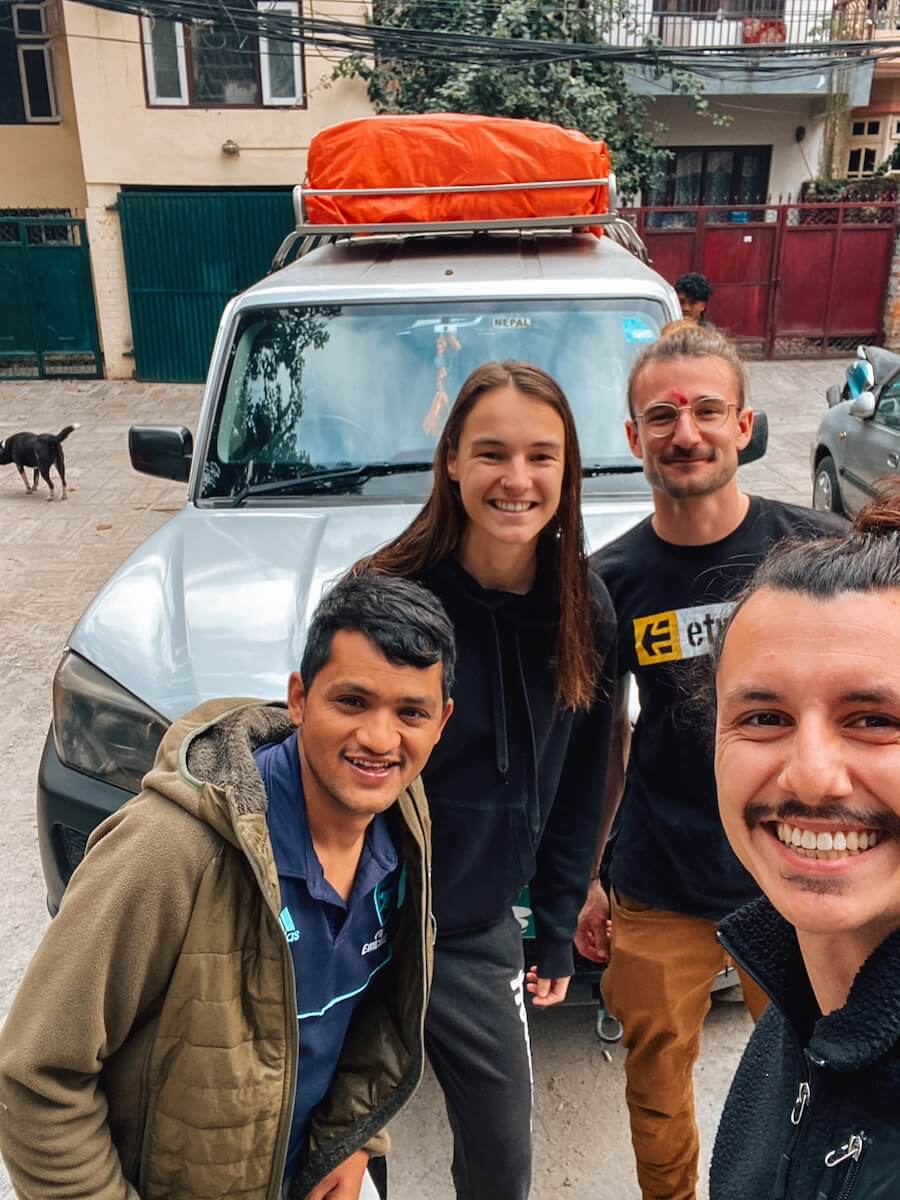
After our arrival in Kathmandu, we met Arjun from Access the Asia to make final preparations and rent equipment such as a sleeping bag and down jacket. The next day we started together with guide Rabin and Porter Krali into the Annapurna Circuit – organized and accompanied by Access the Asia, which made the start particularly uncomplicated.
Our stages led through places like Dharapani, Chame, Pisang, Ngawal and Manang. In Manang we took an extra day to acclimatize. Altitude, cold and minor aches and pains were part of the routine, but the good food, the warmth of the people and the spectacular views made up for everything.
The food on the way was a real highlight. We ate dal bhat almost every day – which sounds monotonous at first, but was actually much more varied than expected. In the morning we tried the traditional Nepalese breakfast, which was not at all comparable to a typical European breakfast, but really tasted incredibly delicious. We can only recommend everyone to try the local cuisine – it makes the trekking experience even more authentic and special.
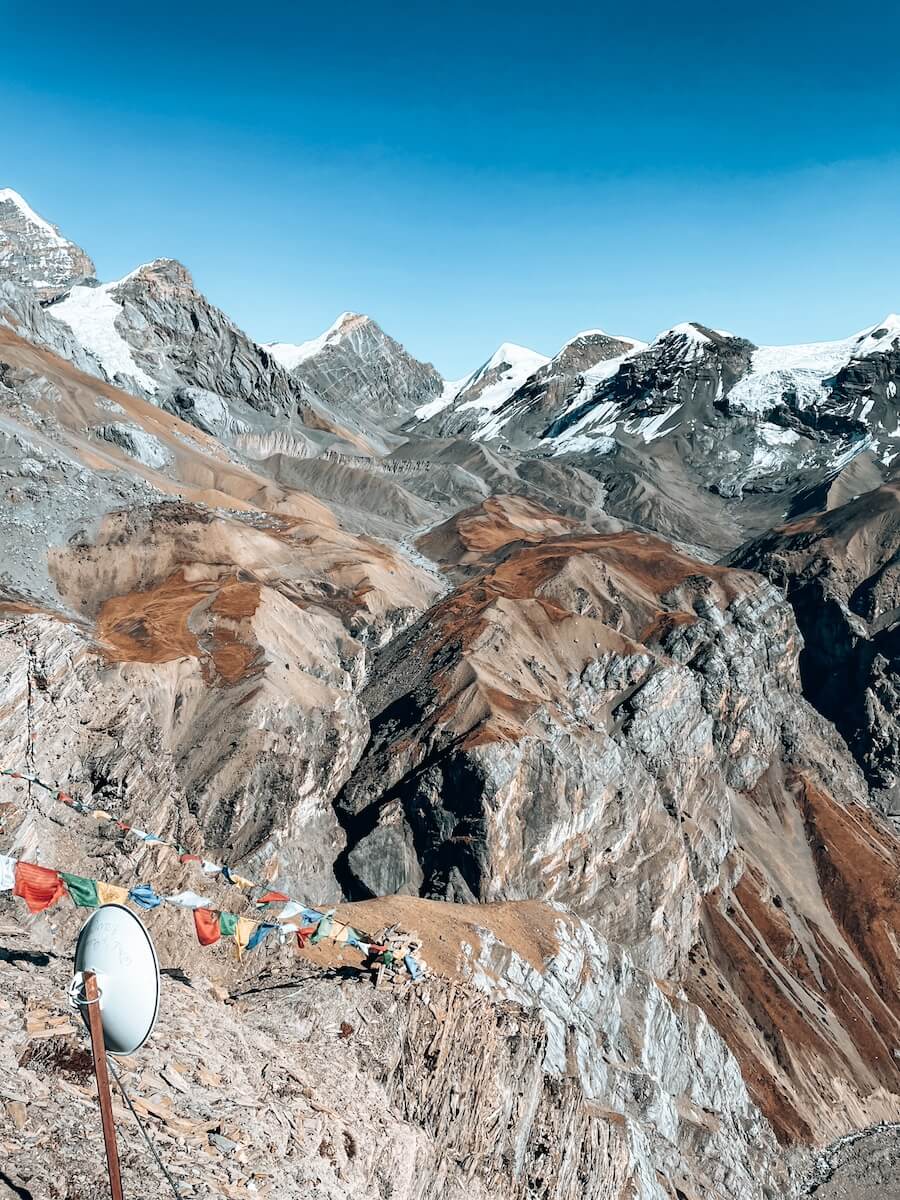
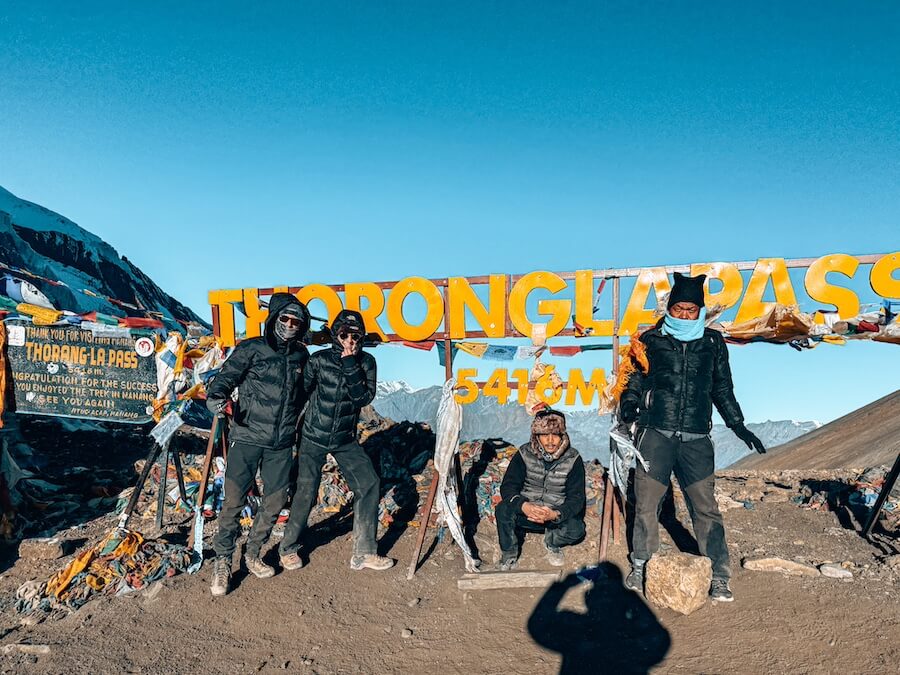
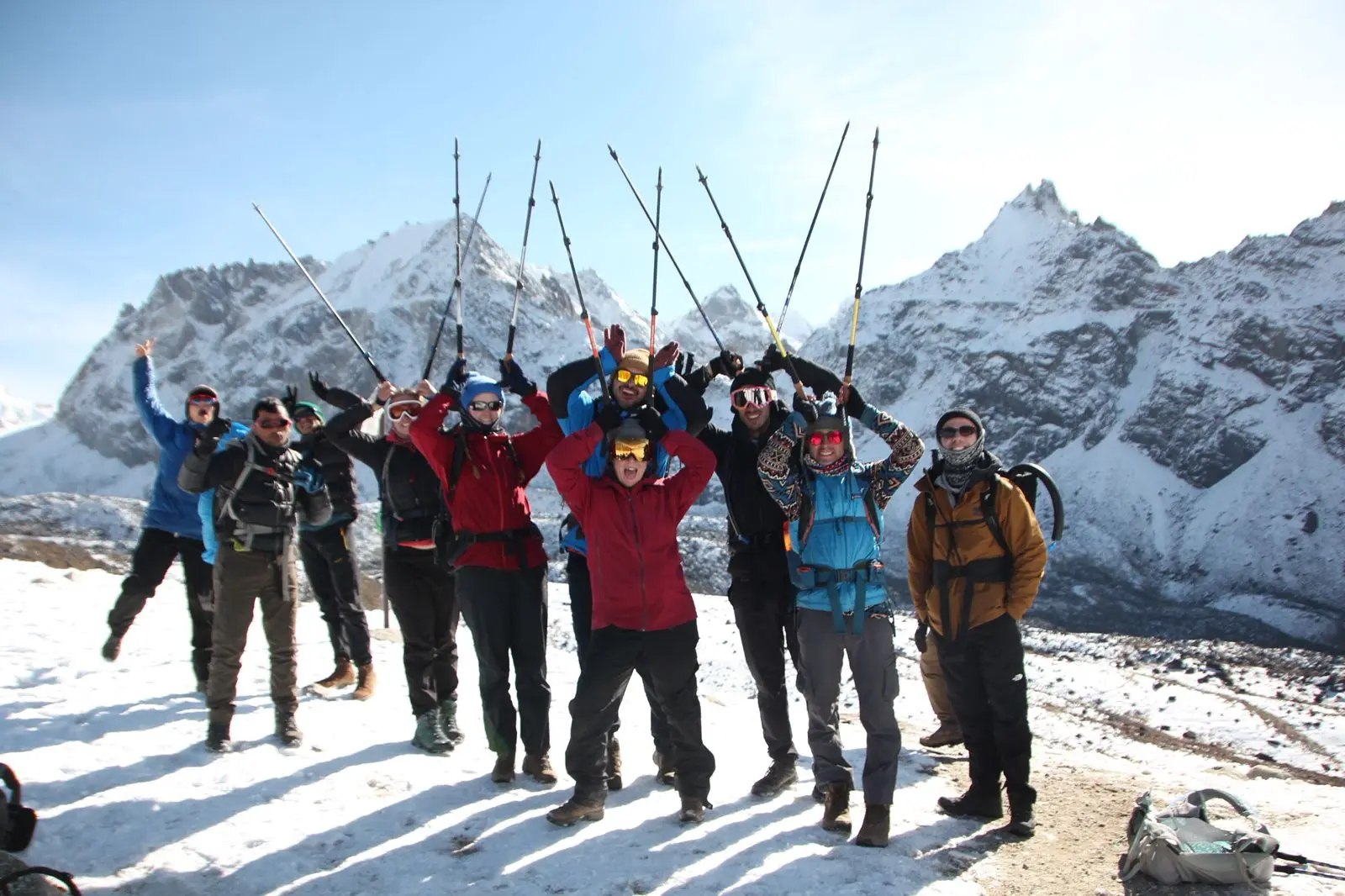
The highlight of our tour was crossing the Thorong La Pass at 5,416 m – a breathtaking moment that was physically challenging and incredibly emotional at the same time. The view over the peaks and the endless Himalayan panorama will remain in our memories for a long time. Then followed the descent to Muktinath, where we enjoyed a hot shower and pizza for the first time again.
On the south side, we continued via Tatopani with its hot springs, through tropical rainfall to Ghorepani, Tadapani and Ghandruk. On the last day of hiking we could even see the majestic Annapurna I (8,091 m). Finally, we drove to Pokhara, enjoyed the lake and a small boat ride before heading back to Kathmandu.
The return to the capital was the worthy conclusion of our trek – 15 days full of adventure, culture and unforgettable moments in the Himalayas.
For our personal impressions and daily reports you can read in our travel diary:
Our trekking adventure on the Annapurna Circuit with Access the Asia Treks was simply unforgettable. In total, we were on the road for 15 days and climbed the Thorong La Pass at an impressive 5,416 m altitude.
You can find all the details about our trek on the website.
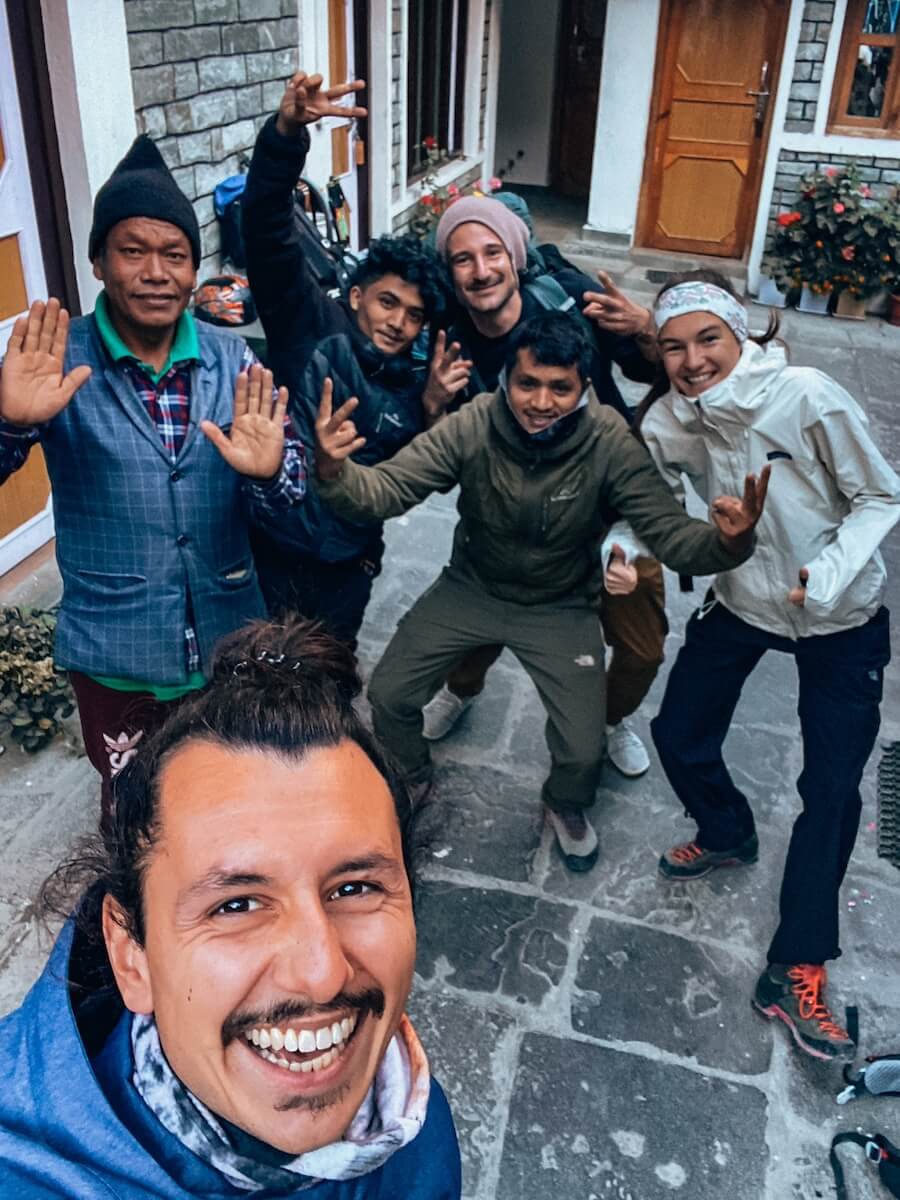
Our team of guides – Arjun, Rabin and Krali – were not only experienced and knowledgeable, but also incredibly friendly and attentive. We were particularly impressed by how much Access the Asia pays attention to authentic experiences: they maintain genuine contact with the villagers whose villages we wandered through and ensure that local traditions are respected and supported. The topic of sustainability is also very close to their hearts – from the responsible use of resources to the support of local initiatives.
If you also want to hike with Access the Asia, you can reach Arjun & his team directly via their contact page. In addition to the Annapurna Circuit, they offer many other trekking adventures, for example Everest Base Camp, Langtang or Gokyo Valley – all information can be found on accesstheasia.com.
Extra tips for your trek in Nepal
If you want to make your trekking experience in Nepal even more relaxed and enjoyable, we have a few practical tips for you:
Individual tours: For more trekking routes or tailor-made tours, it’s worth taking a look at Access the Asia. They offer not only the Annapurna Circuit but also many other trekking adventures and can customize routes depending on how much time you have or what highlights you want to see.
Rent equipment on site: You can easily rent large, heavy things such as sleeping bags or down jackets on site. This way you save weight in your backpack and don’t have to carry everything from home.
Take cash with you: ATMs are rare in remote regions. Therefore, take enough Nepalese rupees with you for personal expenses, food if necessary and tips for porters and guides. Even though larger places like Pokhara have ATMs, many teahouses and shops only accept cash – so plan well beforehand so you can pay for everything on the go.
Conclusion: Trekking in Nepal – an extraordinary experience
Our trek on the Annapurna Circuit with Access the Asia Treks was an unforgettable adventure: 15 days full of impressive landscapes, cultural encounters and unique moments in the mountains of Nepal. From the start in Besisahar to Pokhara through green valleys, traditional villages and the Thorong La Pass, we experienced a journey that was physically and emotionally demanding and at the same time incredibly enriching.
We were particularly impressed by the warmth of the people we met along the way and the authentic Nepalese culture that you can experience up close in the lodges and small mountain villages. The food, from the traditional Nepalese breakfast to Dal Bhat, also made the trekking experience even more authentic and varied.
With the right preparation, the right equipment, good trekking or travel insurance and an experienced team of guides like Access the Asia, nothing stands in the way of a safe and unforgettable adventure. If you want to delve deeper into our experiences, you can find all the details, personal experiences and daily reports in our detailed travel diary.
Nepal is a country that is suitable for hikers and adventurers like no other – a place to return to again and again to discover new trails, see the Himalayan peaks and collect unforgettable moments.
Do you have any questions about our trek? Feel free to write to us on Instagram! 😊