As we are entering into 2026, the global traveler has evolved. The “Modern Traveler” no longer search for a mere escape from reality but they seek for a deeper connection to it. In this modern artificial intelligence and urban industrialization, the search for the authentic, the raw, and spiritually grounding has led the world into one place: Nepal.
Here at Access the Asia Treks, we have witnessed a 20% increase in inquiries for “Slow Travel” and “off-the-beaten-path-trek” itineraries this year. Nepal is no longer a destination for elite climbers, it has transformed into Asia’s premier hub for adventure, digital nomadism, and sustainable luxury.
The 2026 Digital Evolution: Frictionless and Fast
For over of years, traveler’s viewed Nepal’s logistics as a minor operational challenge. In 2026, the Foreign Nationals Management Information System (FNMIS) has changed the game.
The Power of the QR Code: Launched in January 1, 2026, the FNMIS is a compulsory digital companion for all international visitor. Upon your first registration, you receive a unique QR code. This code is scanned at hotel, domestic airports, and trekking checkpoints. This help to remove the need to carry passport copies and manually fill out registers in every mountain village.
Enhance Safety and Rescue: This system isn’t just above convenience – it’s a lifesaver. By tracking real time check ins, tourist police and rescue team (like out partners at Access the Asia Treks) can pinpoint your last known location within a second during mountain emergency.
Starlink and Fiber in the Clouds: The change of internet service in the Himalayas has already begun. High speed fiber optic cables now reach the tea houses of Manangand Namche Bazaar. In 2026, it is common to see remote workers hosting zoom calls from the foothills of Everest with speed exceeding 100 Mbps.
The Rise of “Rurban” Travel: The Best of Both Worlds
“Rurban” (Rural and Urban) is the defining travel trend of 2026. This describes the seamless transition from high end urban luxury to the raw, rugged beauty of the mountains.
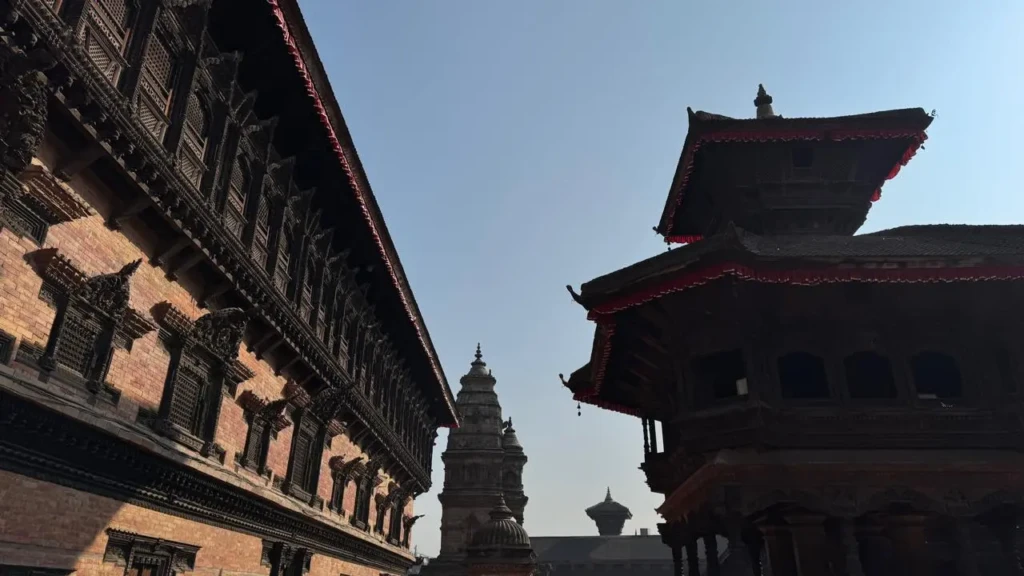
Kathmandu’s Silent Streets: The historic core of Patan and Bhaktapur are now largely vehicle free. This has transformed these ancient cities into quiet, walkable galleries. You can spend your early morning in the 17th century country yard sipping coffee and your afternoon in a traditional pottery class, all without a noise of city traffic.
Bhaktapur Durbar Square Old architecture
Pokhara: The Global Wellness Capital: Pokhara has moved beyond, not just only being a base camp for Annapurna. In 2026, it rivals Bali for wellness retreats. From “Sound Healing” on the shore of Phewa Lake to luxury Ayurvedic spas in the hills of Sarankot, Pokhara is where the world comes to heal.
Manaslu Circuit: The “New Gold Standard” for Trekking
While Everest and Annapurna remain an iconic trek in Nepal, the Manaslu Circuit Trek has officially become the “Gold Standard” for 2026 adventurers.
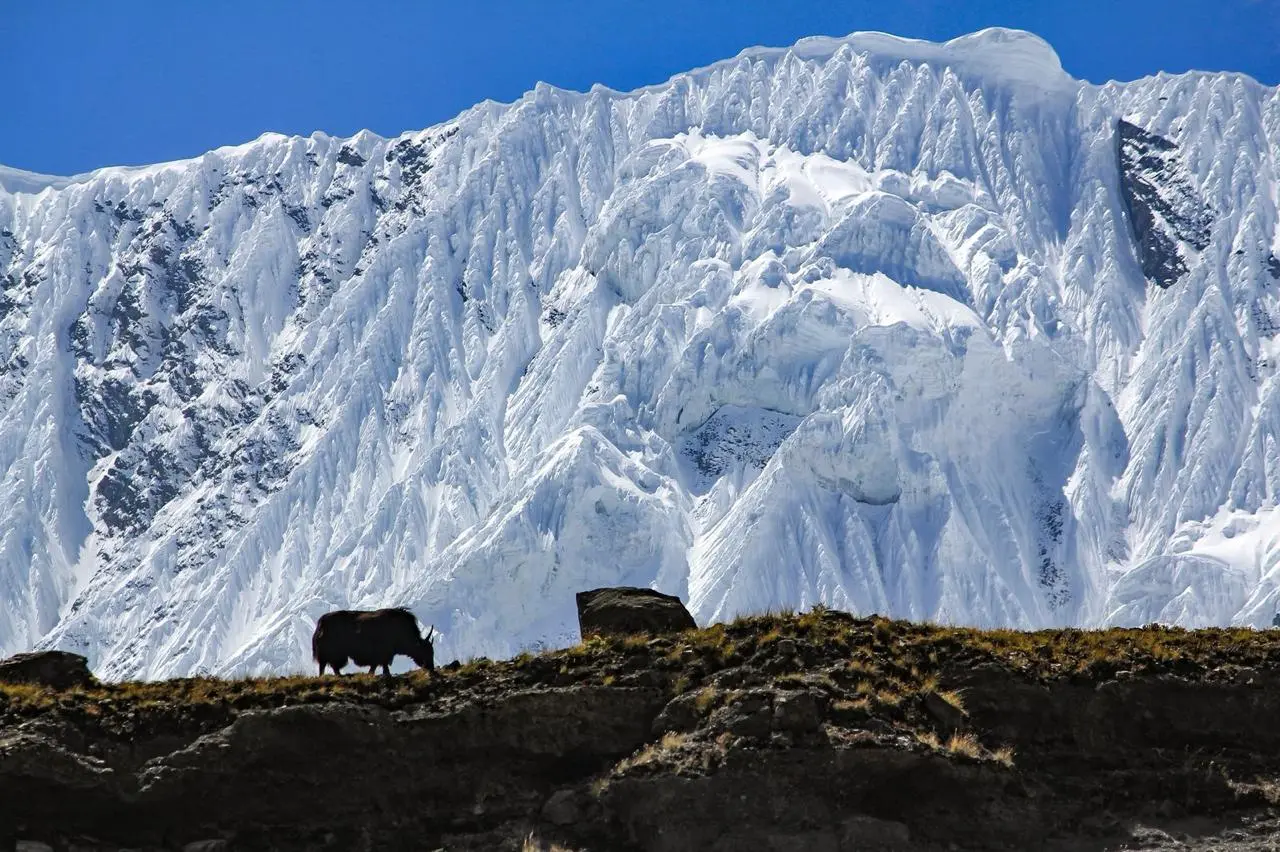
Why Manaslu? As we can see more development of road in Annapurna region, Manaslu remains a pure trekking experience. This trek offers a stunning variety of landscapes from sub-tropical forest at 700m to the icy heights of the Larke La Pass (5,106m).
Tibetan Culture in Nupri Valley: The high-altitude village like Samagaun and Samdo are culturally Tibetan. Here in 2026, travelers find a level of authenticity that has become rare elsewhere. You aren’t just a tourist here; you are a guest in a community that has lived same way for centuries.
Comfort in the Wild: Don’t let the word remote fool you. By the starting of 2026, several comfort lodges have opened along the Manaslu trail, offering attached bathrooms and heated dinning room, ensuring that even the most rugged adventure ends in a warm bed.
Sustainability: The 2026 Green Fee and Ethical Travel
In 2026, Nepal is not just about sustainability, it is enforcing it.
NPR 1,000 Green Fee: Many conservations Areas in Nepal include a mandatory “Green Fee” in their permit. This fund is used for the Himalayan Clean Up Project, which also helps the local people there providing job to the local youths to remove wastes from higher altitude.
Zero Plastic on Trails: Single use of plastic and bottle are now officially banned in Khumbu Region (Everest) and Annapurna region. Travelers carry reusable filtered bottle and lodges provide certified UV filtered water refill stations.
The Mandatory Guide Rule: Since 2023, solo trekking has been restricted. In 2026, the policy has been strongly enforced. This has significantly reduced the numbers of missing trekker in the Himalayas and has injected millions of dollars in the local economy by creating jobs for the local guide and professional guide.
🗓️ The 2026 Festival List: When to Visit and What to Expect
Month
Festival
What to Expect
March 2
Holi
The most colorful day in Nepal. Expect to be covered in red, blue, and yellow powder in the streets of Kathmandu.
April 14
Bisket Jatra
The Nepali New Year. Massive chariots are pulled through the streets of Bhaktapur in a giant tug-of-war.
May 1
Buddha Jayanti
A spiritual pilgrimage to Lumbini, the birthplace of Buddha. Thousands of oil lamps light up the night.
May 14-16
Tiji Festival
A three-day Tibetan Buddhist festival in Upper Mustang featuring masked dances to ward off demons.
Oct 11-21
Dashain
The biggest festival of the year. Families reunite, giant bamboo swings are built, and kite flying fills the sky.
Nov 8-11
Tihar
The Festival of Lights. Every house is lit with oil lamps, and animals (dogs, cows, crows) are worshipped with garlands.
Wildlife: “Amazon of Asia”
Nepal’s wildlife is one of its best kept secret. In 2026, the Bardiya National Park has emerged as the top tier alternative to African safaris.
Nepal’s tiger population has nearly tripled. Bardiya offers “Walking Safari” where you can track the Royal Bengal Tiger on foot with an expert guide – an adrenaline and pumping exercise you can’t find in many parts of Asia.
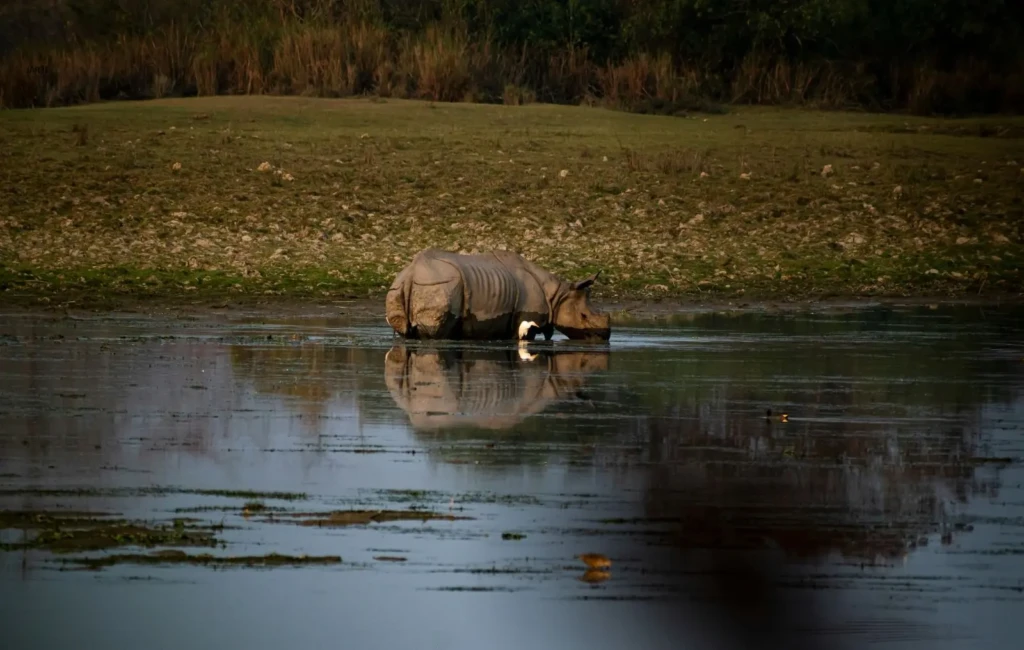
The home of one horned Rhino “Chitwan National Park” remains the best place in the world to see the greater One-horned Rhino. In 2026, luxury river side lodges offer “Conservation first” safaris that supports local anti-poaching units.
One horned Rhino in Chitwan National Park
📊 Nepal 2026: Fast Facts for Travelers
Feature
2025 Standard
2026 Update
Visa Process
Paper-based / On-arrival
Digital FNMIS / QR Code System
Internet
Spotty in remote areas
High-speed Fiber in most Tea Houses
Solo Trekking
Allowed in some areas
Guide Mandatory for all National Parks
Top Destination
Everest / Annapurna
Manaslu / Upper Mustang / Lumbini
Sustainability
Voluntary
Mandatory Green Fees & Plastic Ban
Religious Harmony: A Lesson for the World
In 2026, travelers are increasingly drawn to Nepal’s unique religious harmony. It is a place where Hindu temples and Buddhist Stupas share the same country yard.
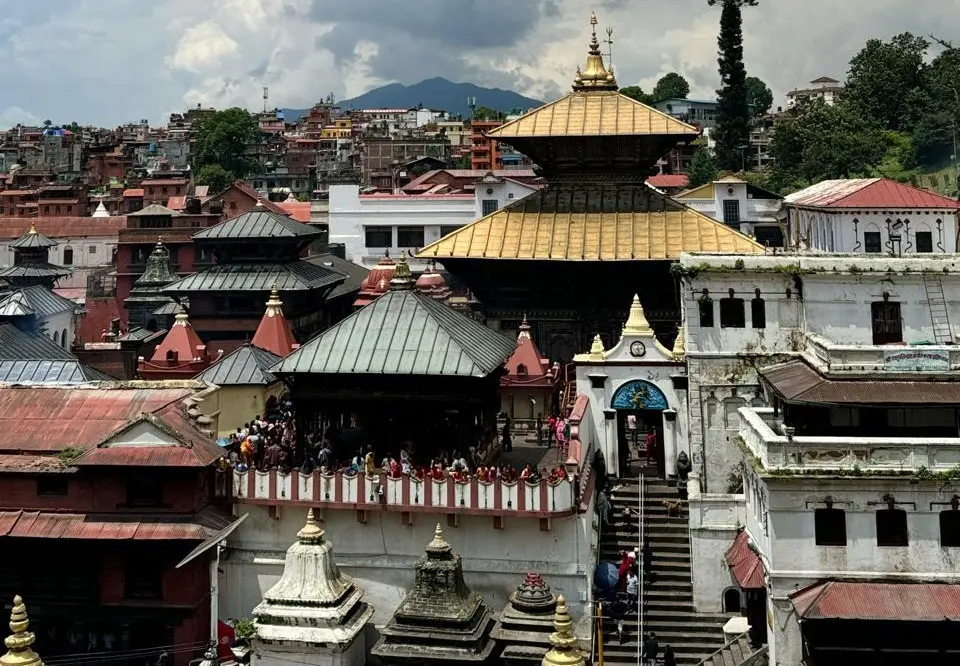
Pashupatinath (Hinduism): Here, you can witness the evening Aarati (fire ceremony) on the bank of Bagmati river. It is a powerful, sensory overloading experience of life and death.
Pashupatinath Temple. Holy temple for Hindu
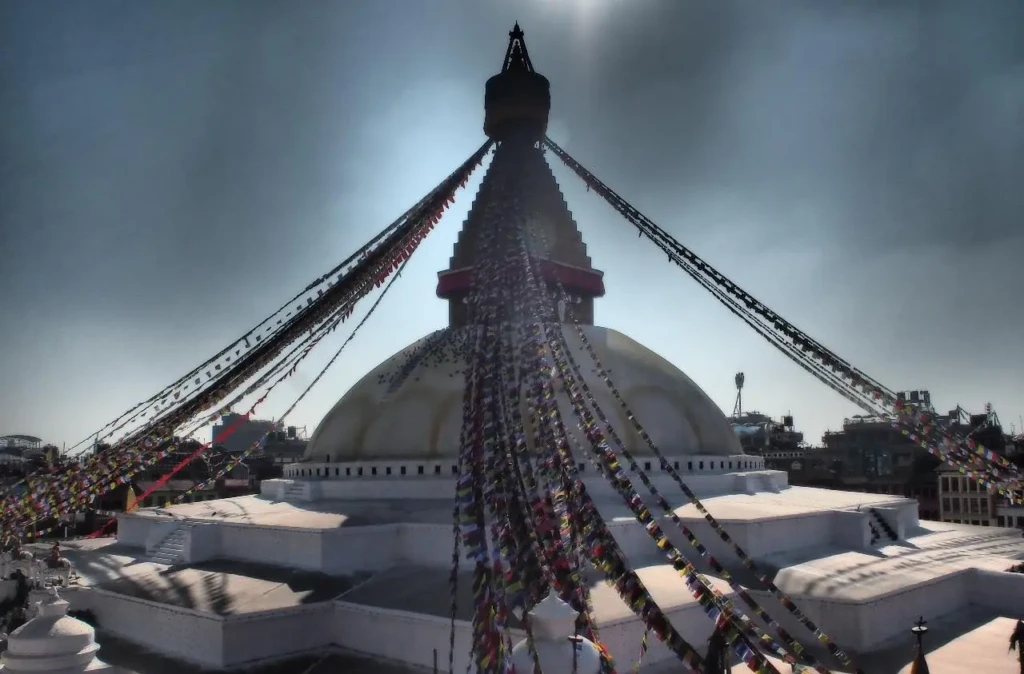
Boudhanath (Buddhism): Here, you can walk the kora (circumambulation) around the world’s largest stupa alongside monks and refugees. The energy here in 2026 remains a beacon of peace in a loud world.
Boudhanath Stupa in Kathmandu
🏔️ Top 5 Secret Trek for 2026
Tsum Valley: The “Hidden Valley of Happiness”. This trek is an extension of the Manaslu Trek that is even more remote and spiritually preserved.
Upper Mustang: Often called as a “Little Tibet”. It is a rain shadow desert, making it the perfect trek for the Summer/Monsoon season (July to August) when the rest of the Nepal is raining.
Kanchenjunga Base Camp: This is for the elite trekker. It takes around 20+ days and takes you to the base of the world’s third highest mountain in the world.
Mardi Himal: The “best short trek”. You can reach the base camp of iconic mountain Mt. Fishtail (Machhapuchhre) in just 4-5 days from Pokhara.
Gorepani Poonhill: The hike up to Poonhill (3,210m) at dawn is a bucket list exercise. As the sun rises, it paints the 8,000 meters peaks of Dhaulagiri and Annapurna I in a brilliant shade of gold and rose.
Why Choose Access the Asia Treks as Your Guide?
We aren’t just an agency. We’re your local family in Nepal. Based in Kathmandu, Nepal our mission is to show you the Hidden Treasures that big international operators miss. With over 10+ year of excellency, we offer you;